
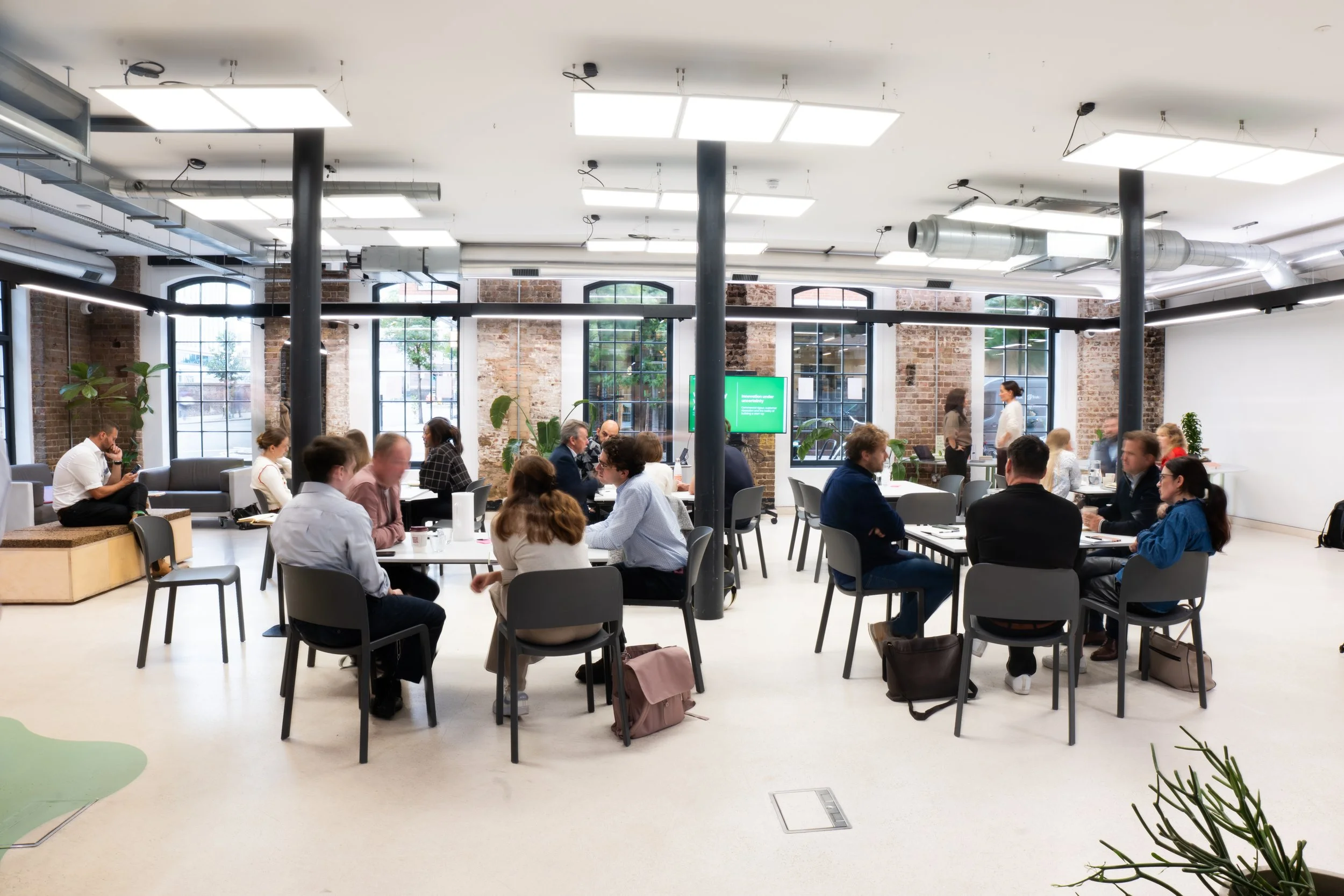
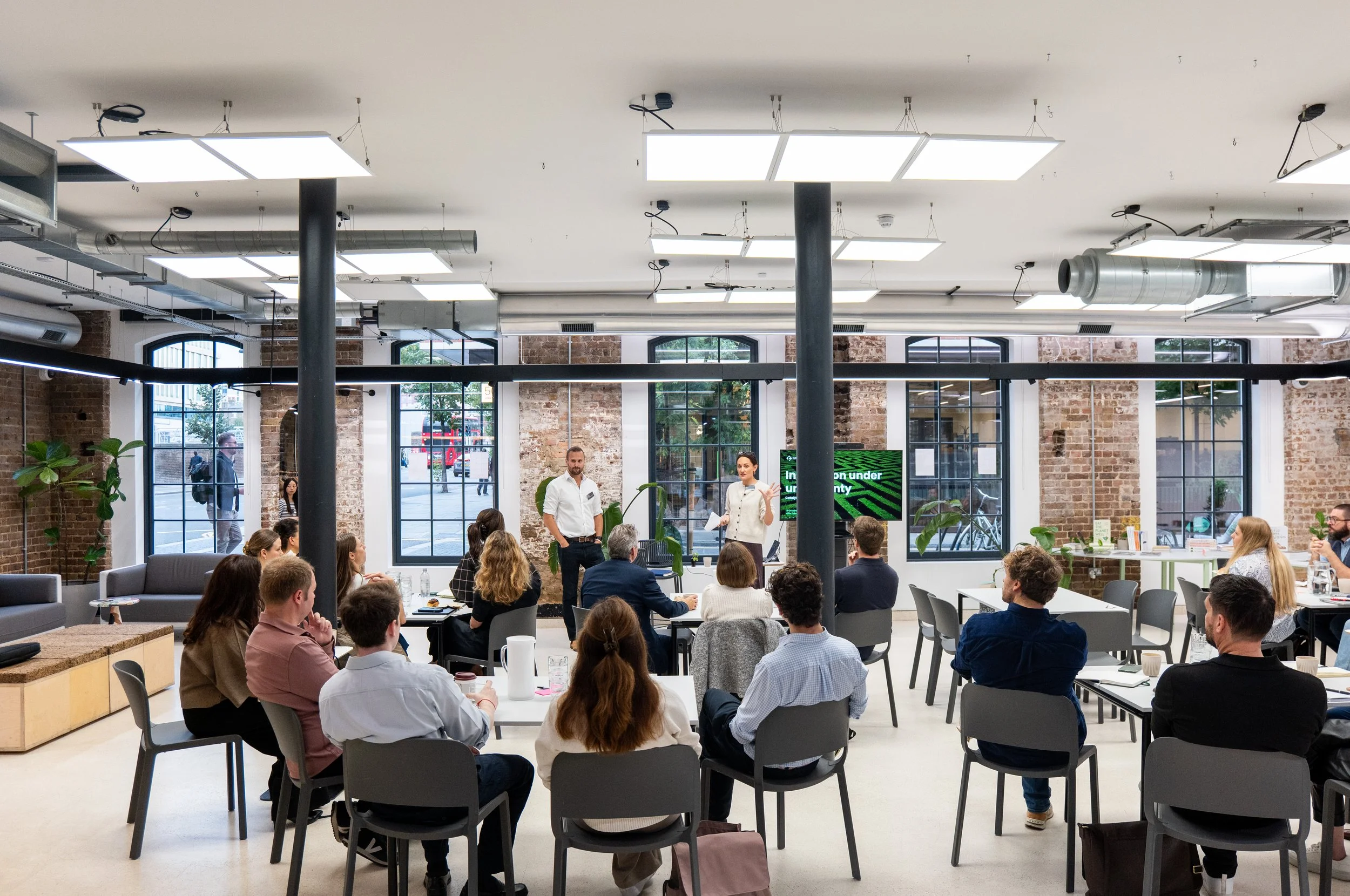
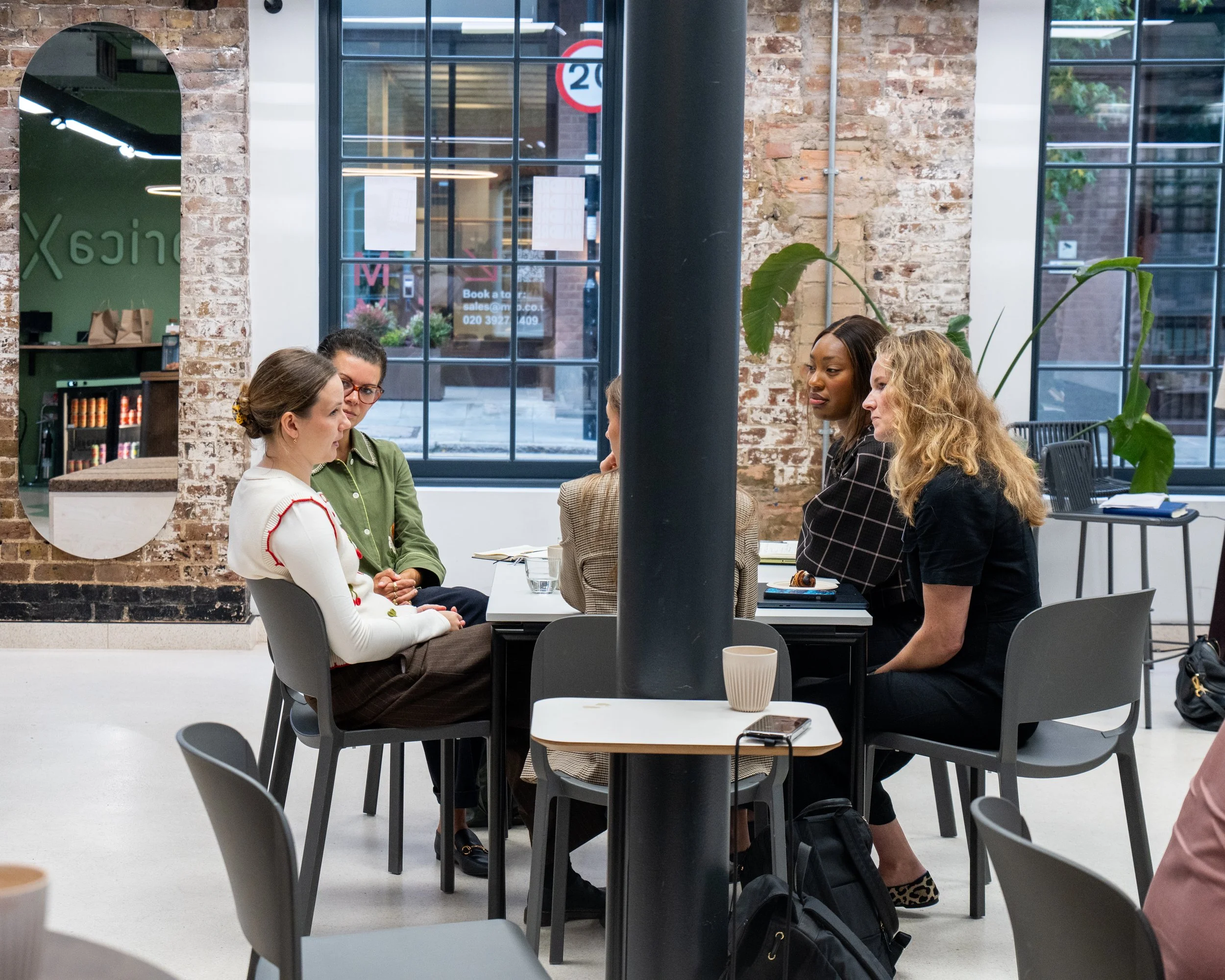
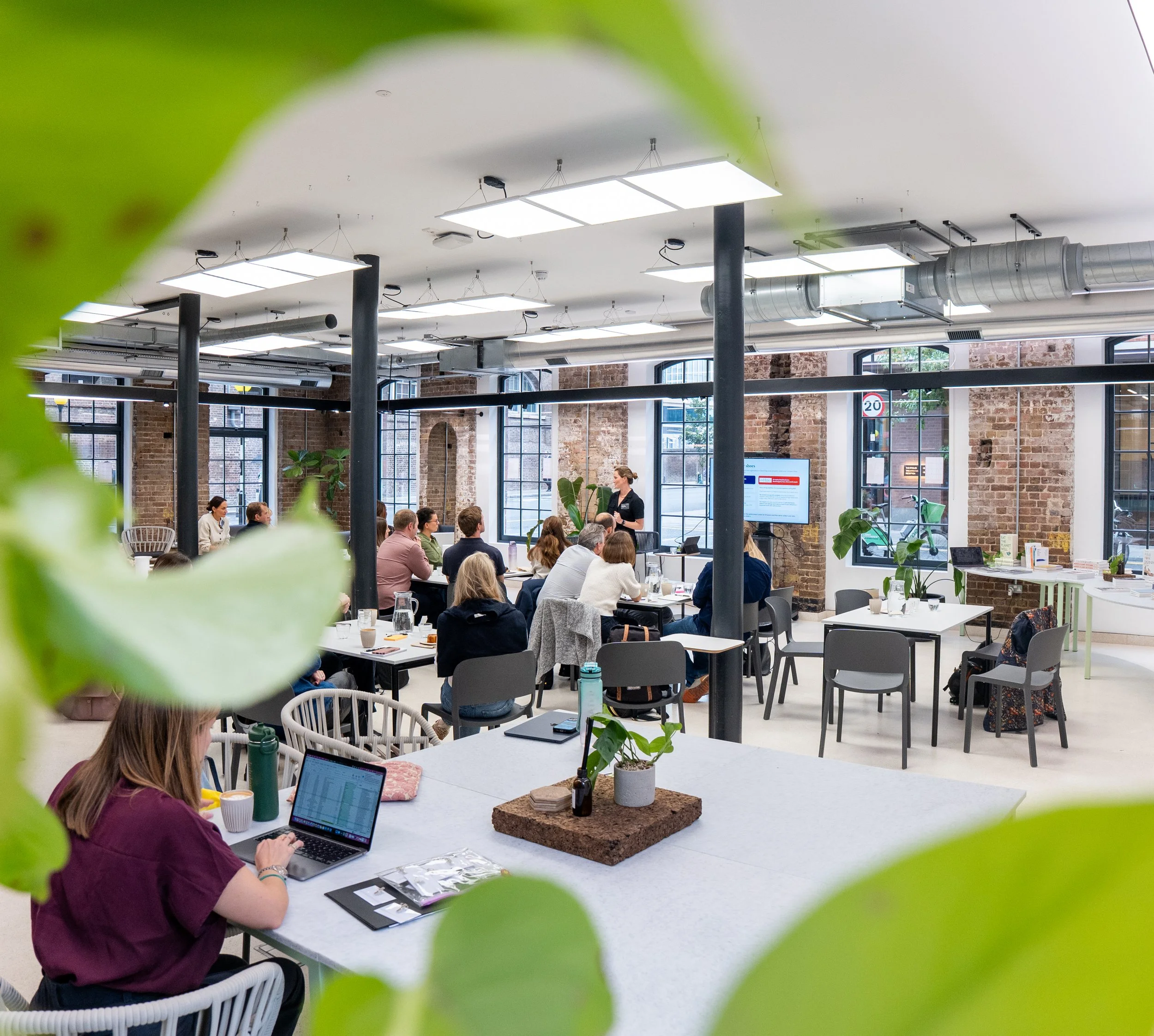
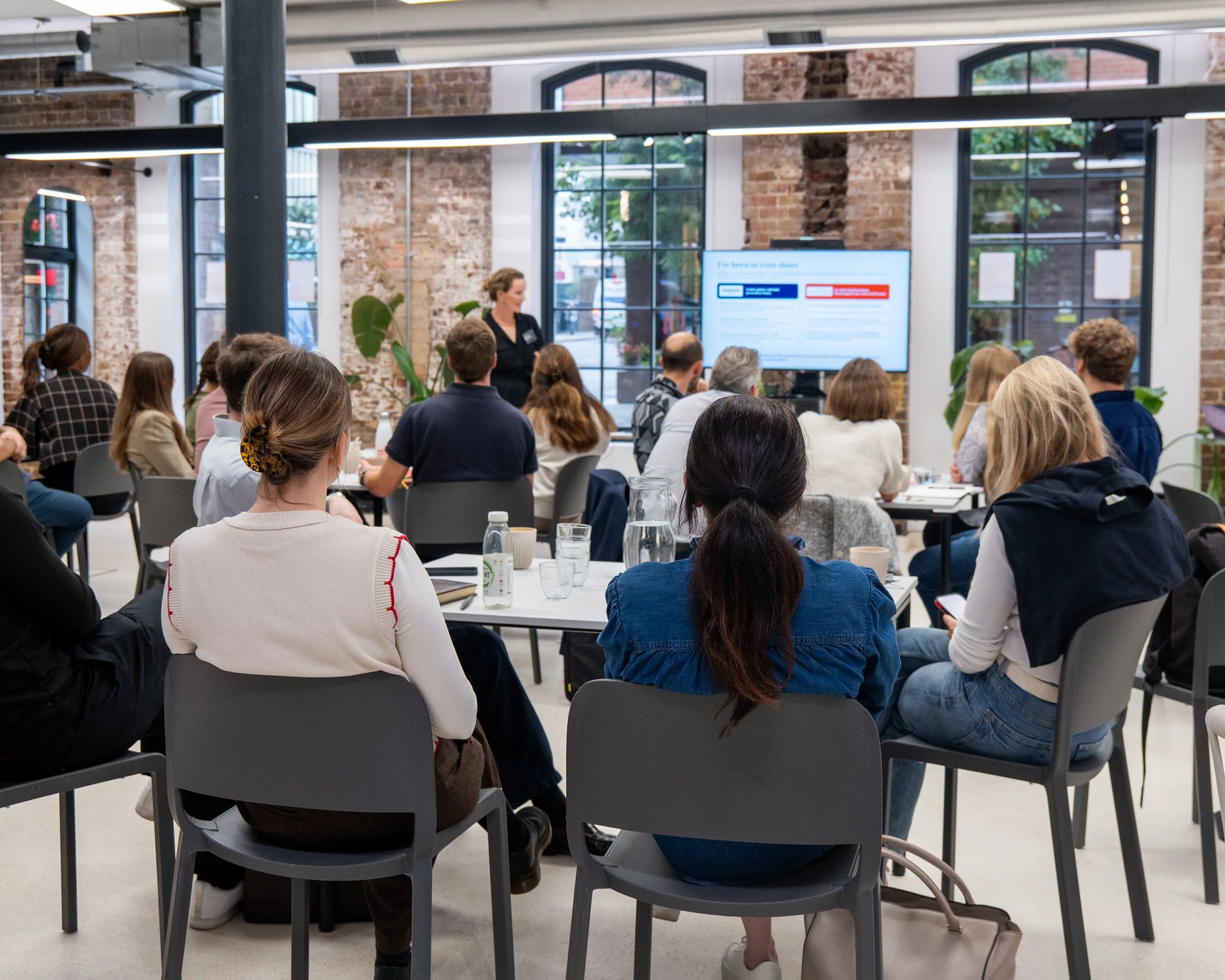
In October, 35 senior leaders from across food sat down together for the first Future Food Movement Catalyst roundtable. They work across retail, manufacturing, farming, finance, talent and innovation. Many are the next generation of C-suite, already accountable for big parts of their businesses and about to take on more. Between them, they’ll shape a lot of what gets backed, bought and put on shelves over the next decade.
Catalyst started with something we kept hearing from our wider community. Food is full of brilliant people, but they rarely get to talk to each other outside their own organisation or function. Senior leaders told us they were wrestling with the same questions as their peers, often on their own, with nowhere to test their thinking honestly. Catalyst is that place.
“Working through a live example using what we’d just learnt, and then hearing back what others had taken from it too, was very valuable.” Founding Catalyst member
Who it’s for
Catalyst is for senior decision-makers who can feel their business being pulled in more directions than it used to be. Climate is now showing up in pricing and margin. Health policy is changing what can be sold and how it reaches people. Farmers are being asked to absorb risk that buyers benefit from. And AI is starting to influence food choices before a shopper even reaches the shelf.
None of this sits neatly in one team’s remit, and most of the opportunity is in the gaps between them.
The questions the cohort brought with them were real and current. How do you grow without relying on ever more NPD? How do you make healthier food something people actually want to buy? Does swapping suppliers really build resilience, or does it just move the exposure somewhere else?
What happened in the room
We started with innovation under uncertainty. At our pilot session in March, one frustration came up again and again: good ideas were getting stuck in budget cycles.
Chris Hatcher, who spends his working life in food and drink boardrooms, had been having one-to-one conversations with CFOs about what actually gets an idea backed. He brought their candid views into the room. Then Stacey van den Aardweg, who learnt how innovation flies or fails at Amazon before running her own start-up, had every table writing a PR/FAQ on a real challenge. It’s the discipline of writing the launch press release before you build anything, so you know whether an idea is worth backing.
Thank you to our strategic partner Amy Tsang and The Mills Fabrica for hosting us in a space built for new thinking, and to our founding cohort for their openness and trust.
What membership includes
Over your Catalyst year you get involved in in-person leadership roundtables, Signals intelligence briefings on how the operating environment is shifting, monthly expert sessions with live Q&A and a confidential peer network. Members bring their asks and offers and make introductions that wouldn’t happen otherwise. You also get priority access to FFM’s senior convenings and 10% off our capability programmes.
Join the cohort
There’s still room in the founding group, and the cohort will help shape where it goes next. Places are limited, and we review applications to keep the right mix of seniority and perspective in the room. If you want to spend the next year working on the questions that will define food businesses, alongside people who can help you act on them, we’d love to hear from you.