Reflections from the Future Food Movement x Foodsteps Leaders' Briefing, April 2026
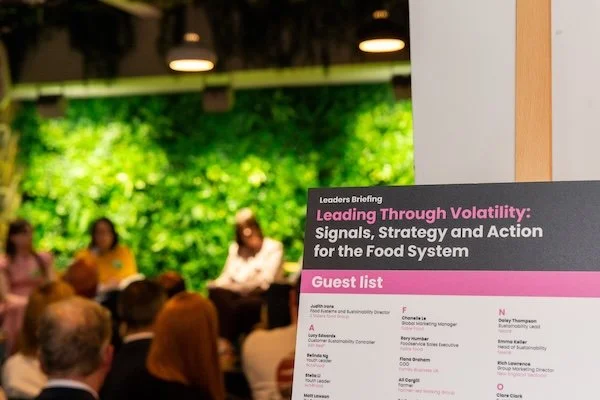
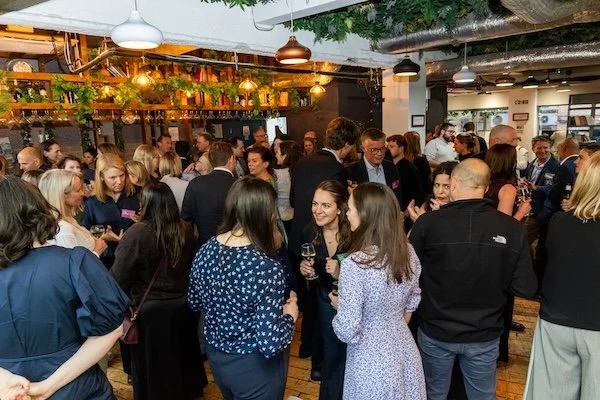
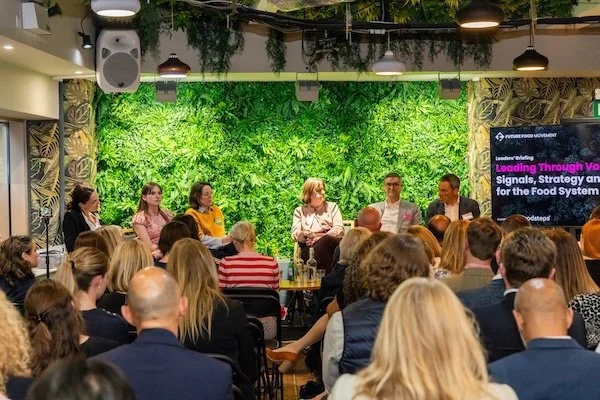
Something shifted in the room at the April's Leaders' Briefing. Not the recognition that the food system is under pressure - everyone already knows that. What stood out was the clarity about what to do about it. Senior leaders from retail, farming, family business and data innovation weren't there to catalogue the problems. They were there to share what's actually working, right now, under real commercial pressure.
Here is what they said.
Move buying relationships into genuine long-term partnerships - now
The most concrete shift described in the room was structural. Retail leaders are moving a significant share of buying value out of short-term, spot-buying arrangements and into multi-year partnerships that lock in shared outcomes across price, quality, sustainability and availability. This is not a values choice, it is a commercial one: "You can't sell what you don't have. Getting great product is job one." The work of retail has shifted from buying products to building the relationships that generate them. Leaders who treat this as a future ambition are already behind those who are doing it.
Treat health as a strategic lever, not a downstream benefit
Consumer behaviour is moving faster than most food businesses are comfortable admitting. The rapid uptake of GLP-1 medications is already affecting food volumes and demand patterns - pharmaceutical innovation is reshaping diets more quickly than food businesses themselves. The leaders in that room are not treating this as someone else's problem. Health is moving upstream into product strategy, sourcing and commercial decision-making. The businesses that will be well-positioned are the ones bringing diet, product design and menu change back into focus now - not waiting for the trend to fully land.
Stop shifting the compliance burden onto the most exposed actors
There was a sharp moment of honesty about data. The proliferation of reporting tools, fragmented standards and unclear data ownership is creating real friction and it lands hardest on the smallest actors in the chain. Farmers and SMEs carry production risk with the least capacity to absorb compliance demands. The practical move: treat your supplier data requests as a design problem. If you need the data, be clear about how it will be used, consolidate what you are asking for, and stop distributing the cost of your reporting onto five-person businesses: "Data doesn't guarantee availability. Relationships do."
Download the Key Takeaways
Build leadership capability, not just better strategy decks
Across the panel, one capability gap came up repeatedly - not tools or frameworks, but the ability to make sound decisions under pressure. To hold a clear direction when the picture is incomplete. To align a team around a shared ambition when everything is pulling in different directions: "The only thing worse than expensive food is no food." The leaders navigating this moment well are not the ones with the most sophisticated analysis. They are the ones with the clearest sense of what they are trying to do - and the capability to keep moving toward it.
Act on what you can control today
The briefing closed with a practical challenge: stop waiting for perfect conditions. Use a "do one thing, then another" approach. There are operational changes with known returns available right now - energy, refrigeration, lighting, sourcing decisions - that do not require system-wide alignment to implement. As Kate Cawley, Founder of Future Food Movement, put it: "Cost versus resilience, health versus margin, short-term delivery versus long-term licence to operate — these aren't theoretical debates anymore. They're showing up in real decisions about what gets funded, what gets cut and what gets prioritised." The food system is not something that happens to your organisation. It is created, every day, by the decisions you make inside it.
Be in the room
Future Food Movement exists to connect the people inside food businesses who need to act - across sustainability, commercial, procurement, supply chain, strategy, brand and corporate affairs - and give them the insight, networks and capability to do it well. Membership is structured to turn live pressures into clearer decisions and faster execution, with a year-round programme of events, working groups and advisory support. If what you read here sounds like the conversations your organisation needs to be having, explore membership or reach out to Helen Ireland, Strategy & Transformations Director, to start the conversation.
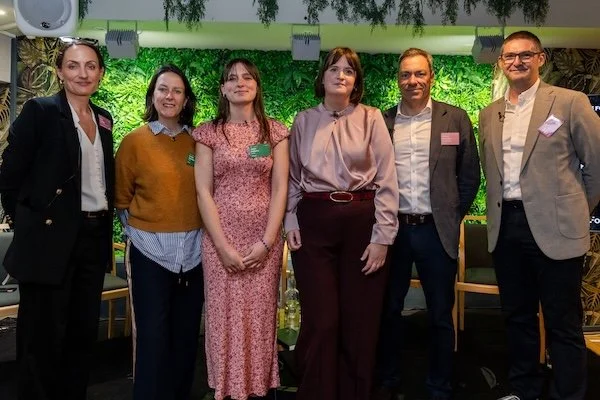
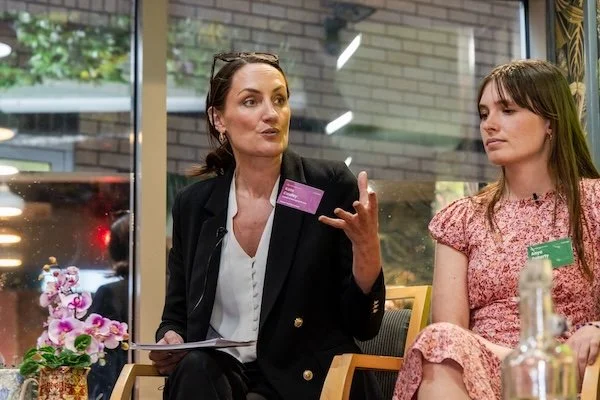
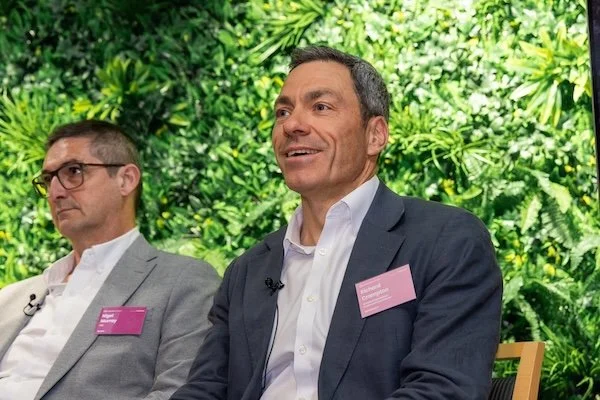
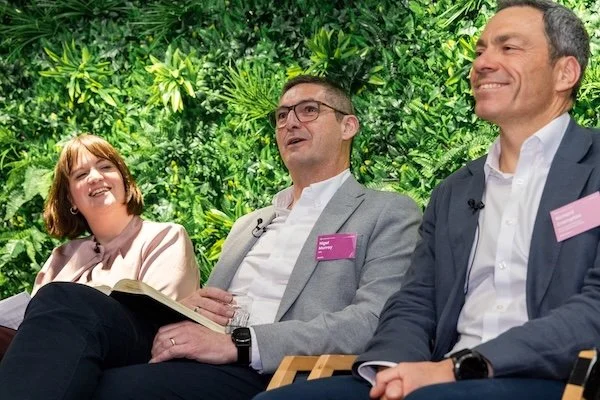
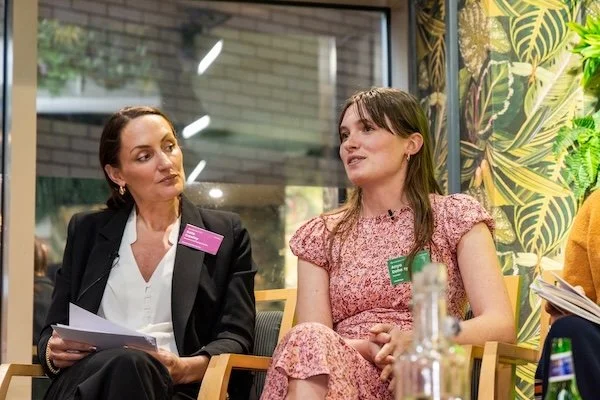
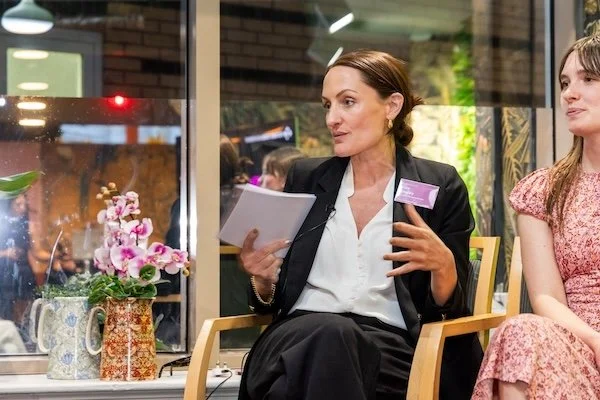
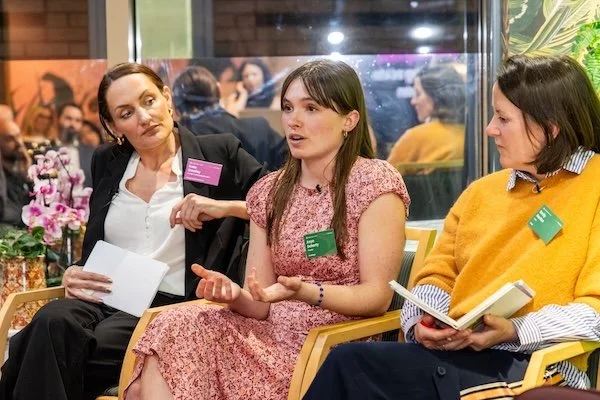
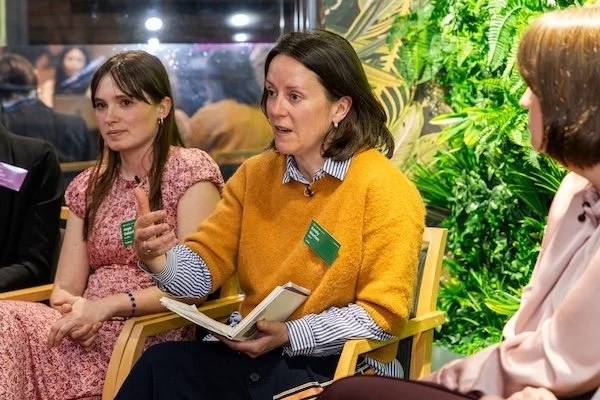
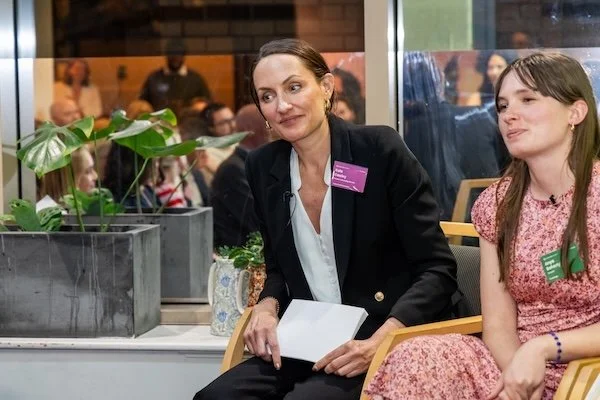
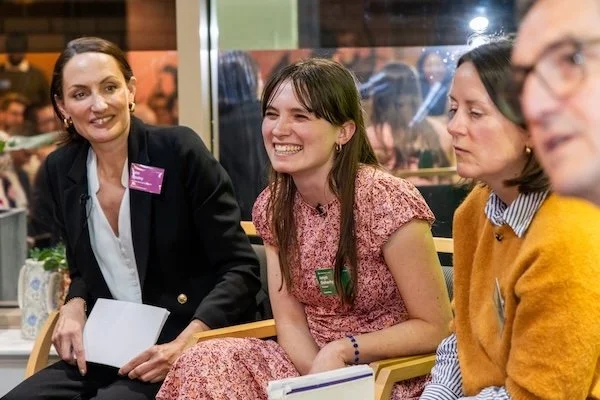
Many thanks to our speakers, hosted by Future Food Movement founder Kate Cawley: Anya Doherty, Founder, Foodsteps, Richard Crampton, Commercial Director, Fresh & Convenience, Sainsbury’s, Fiona Graham, COO, Family Business UK, Nigel Murray, CEO, Booths, Emily Norton, Chair, AHDB.