
Food businesses are being asked to make enormous changes. Build more resilient supply chains. Support farmers through transition. Improve health. Respond to climate and nature challenges. Keep food affordable and continue to grow. But there’s another side to that equation that we don’t talk about enough: demand.
If we want farmers to grow different crops, businesses to invest in different products or retailers to put different choices on shelves, people ultimately need to want them and be able to afford them. So who helps create that demand?
In our When Appetite Changes event poll, 37% of respondents selected “Making healthier food genuinely more desirable” when asked what would do more to grow healthier food over the next five years.
That gives us a useful question to explore: alongside improving what we produce, how much attention are we giving to whether people want it?
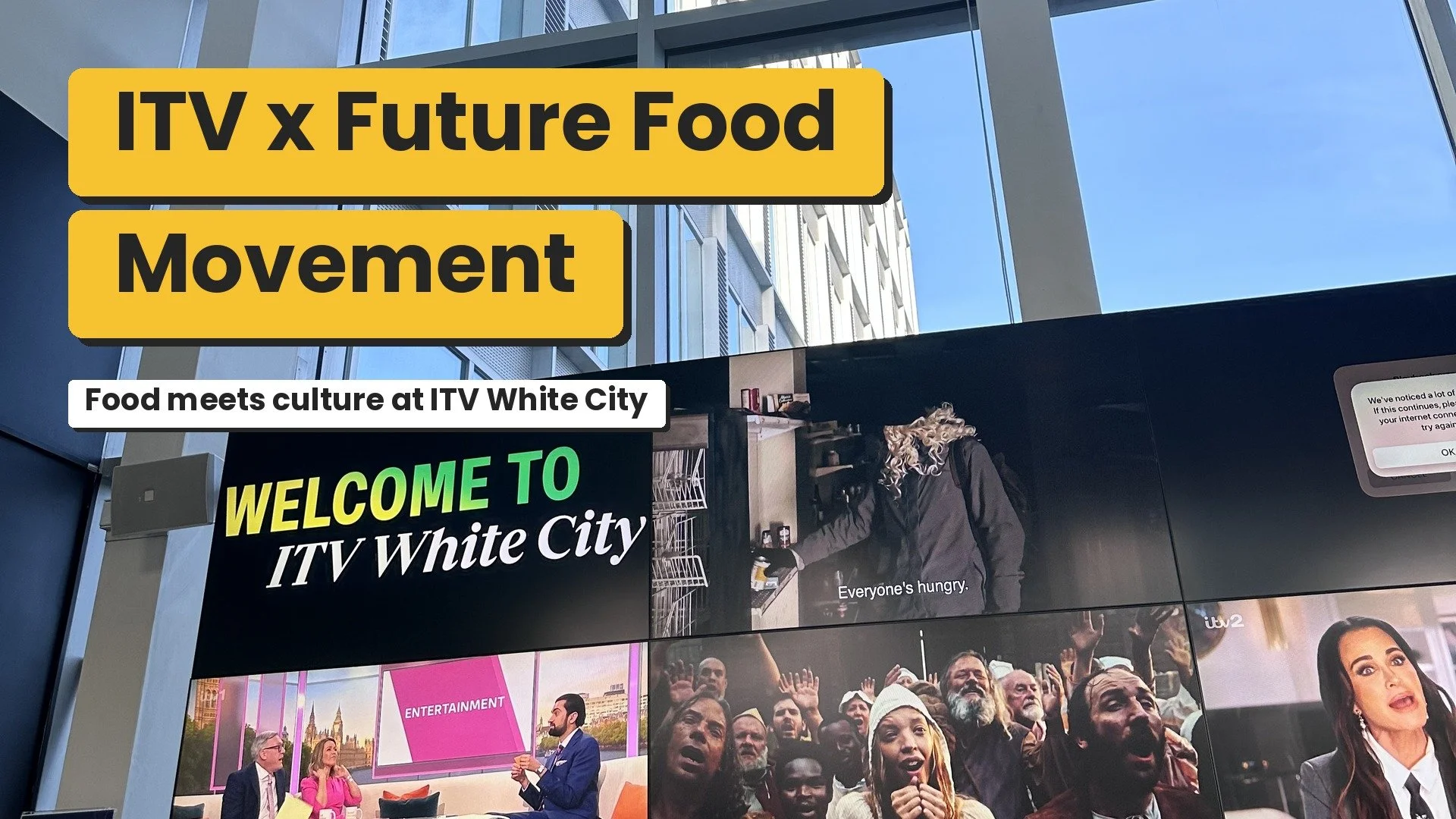
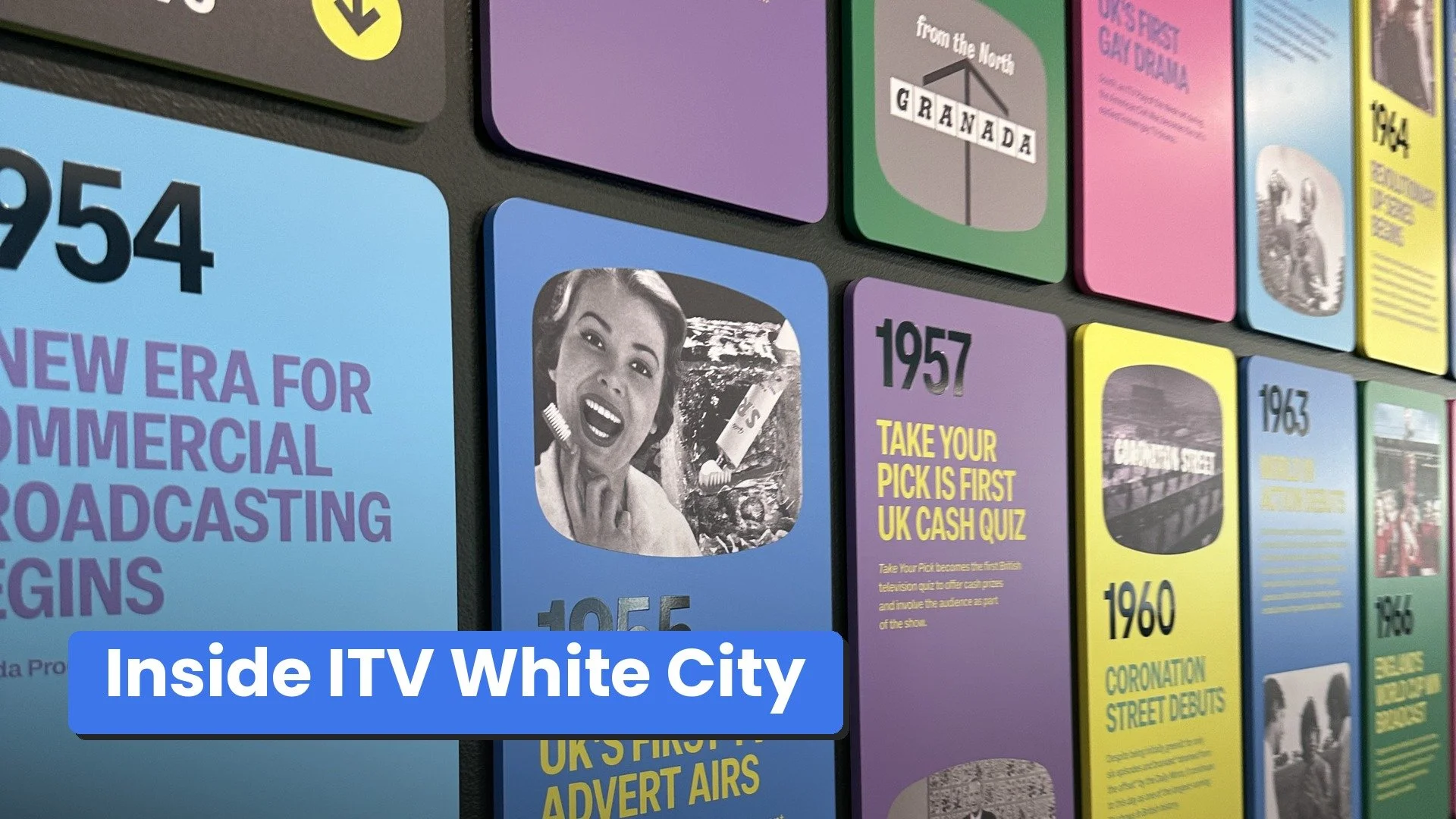
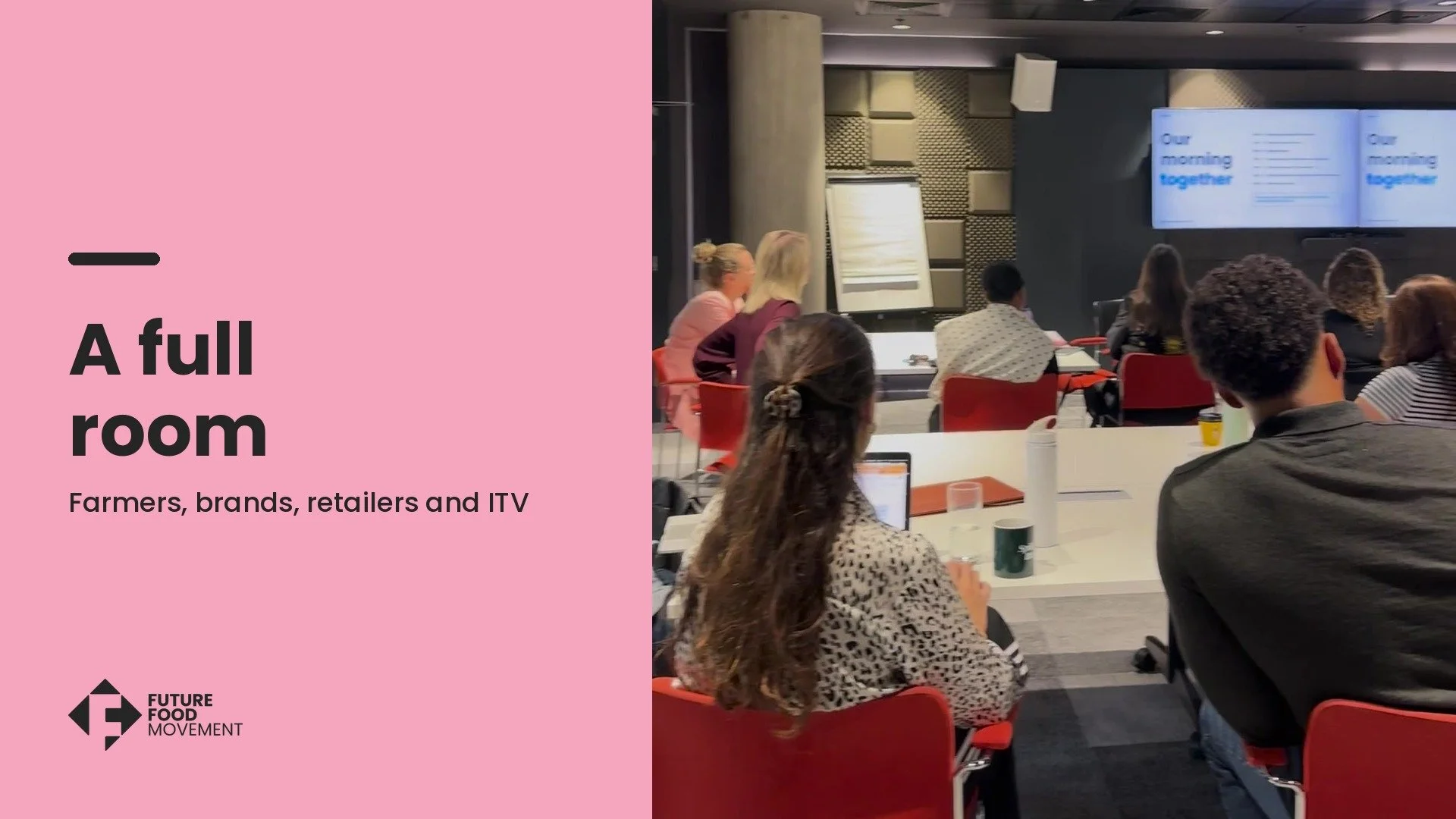
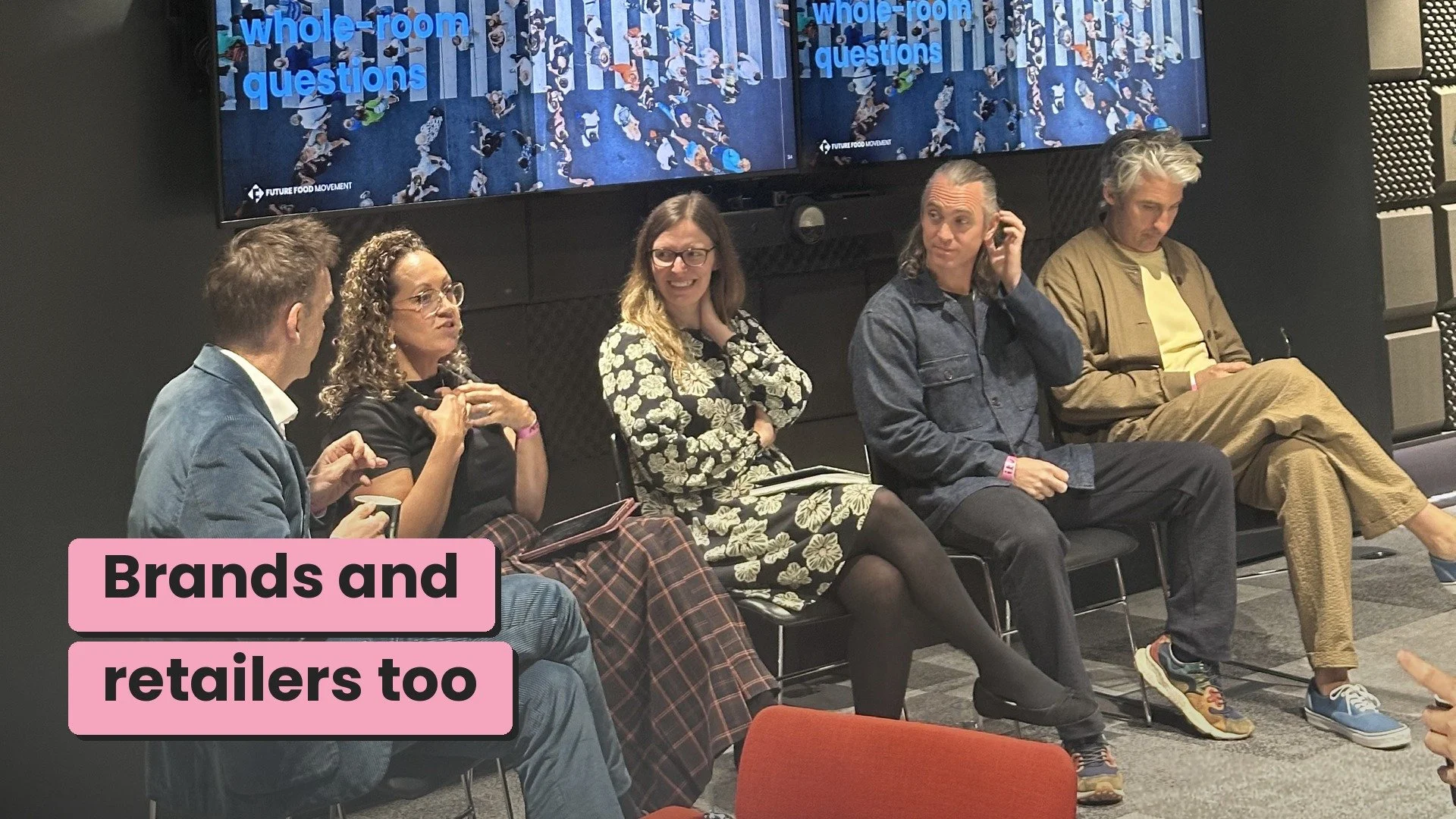
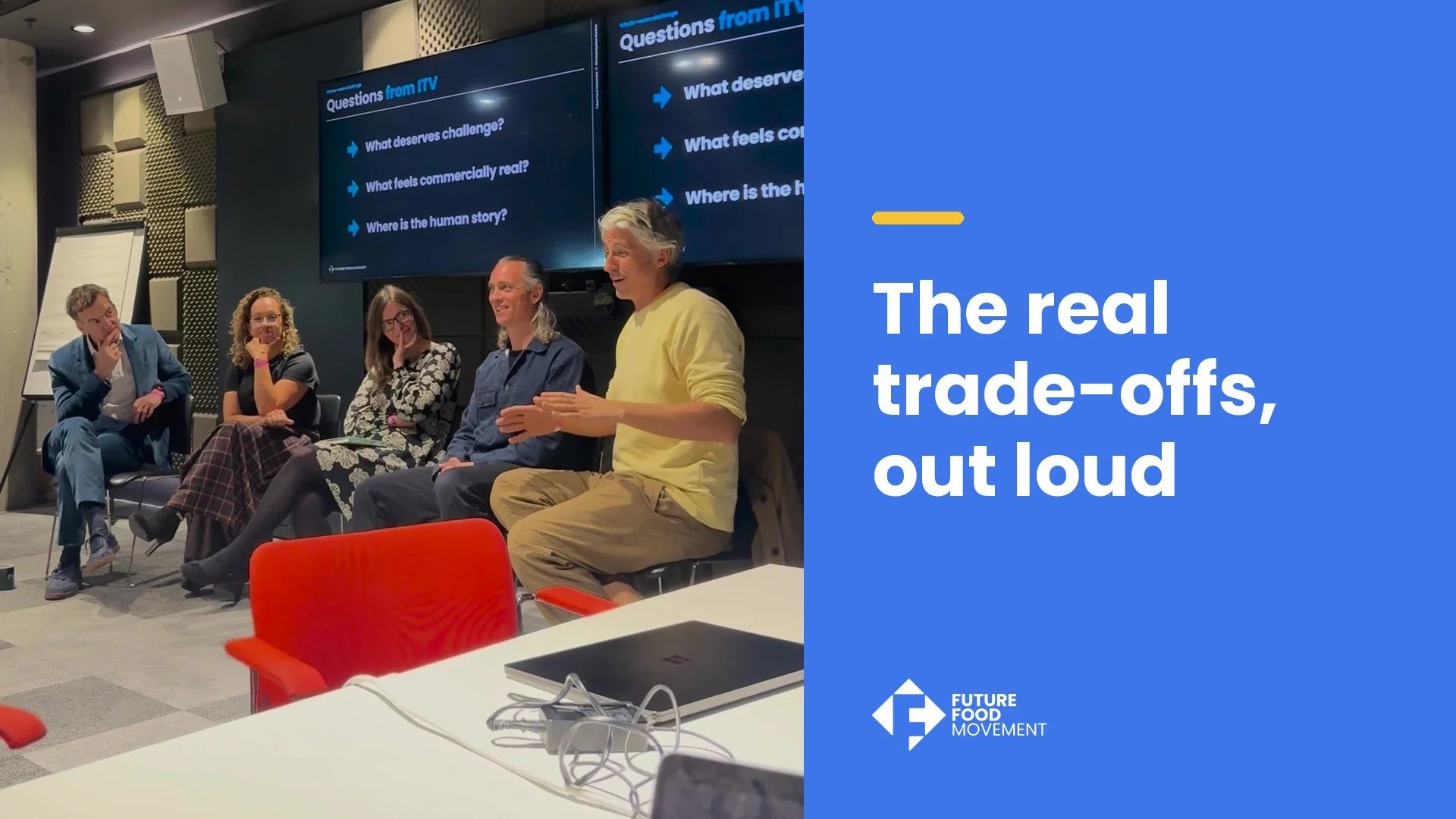
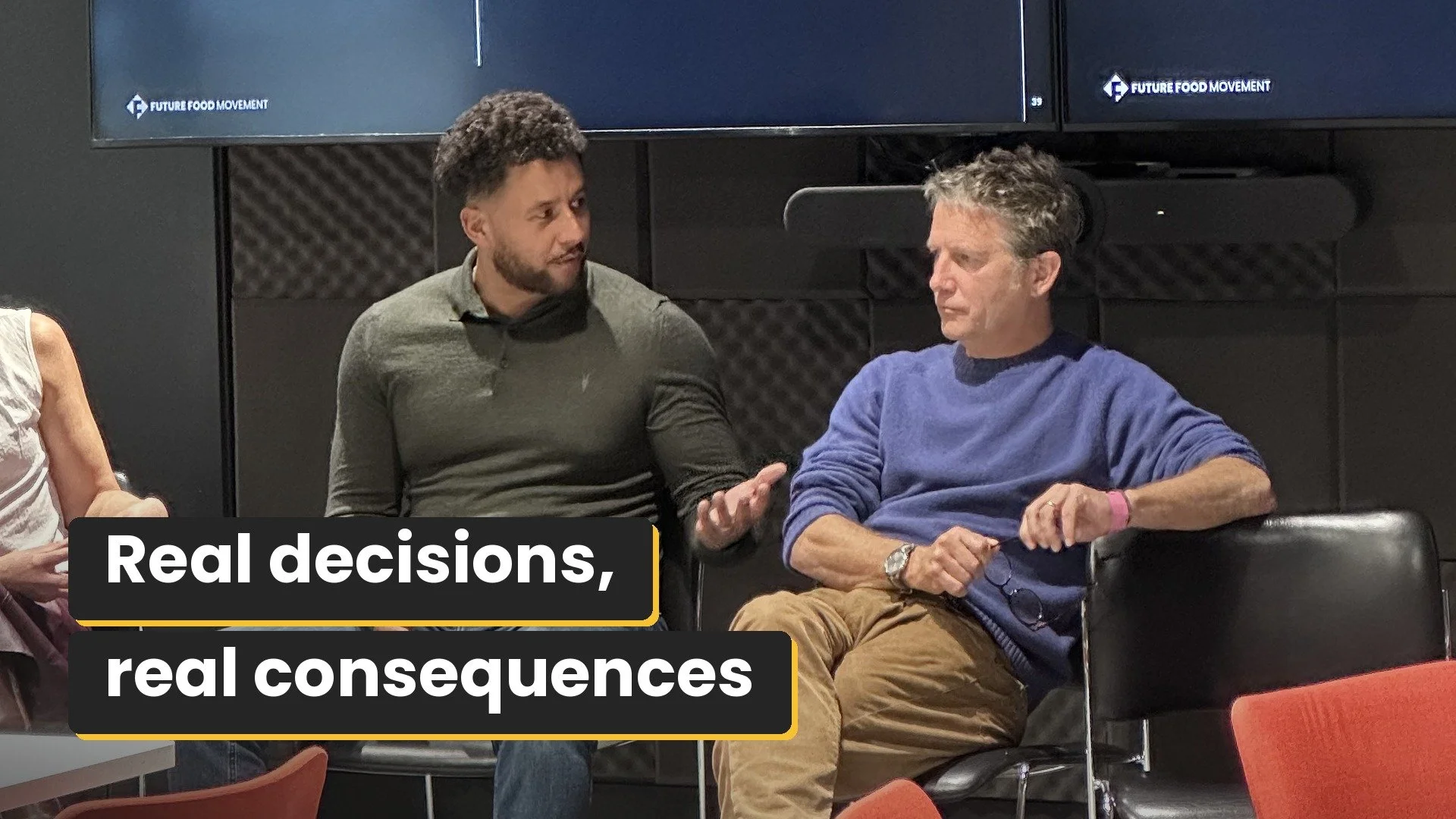
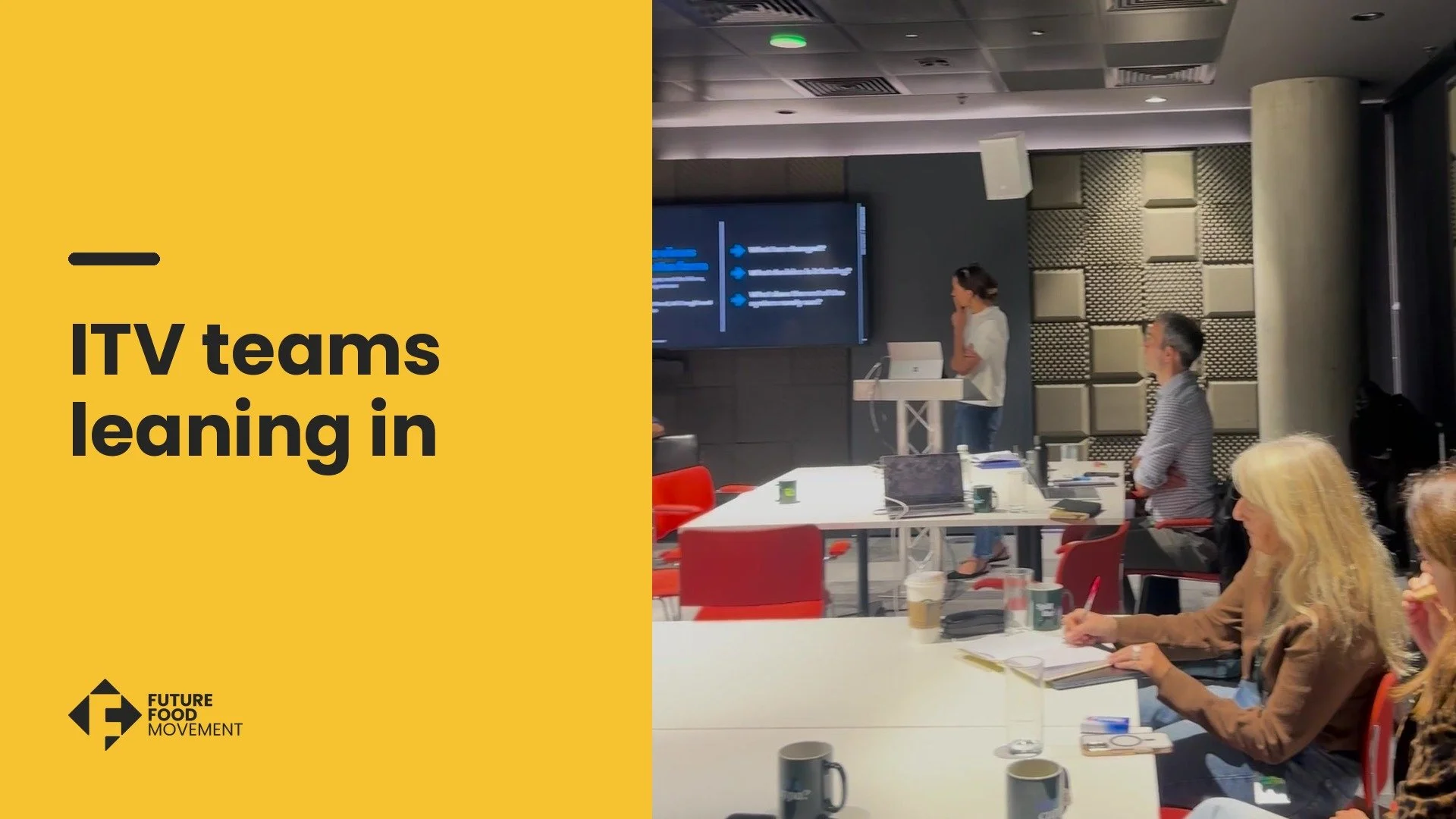
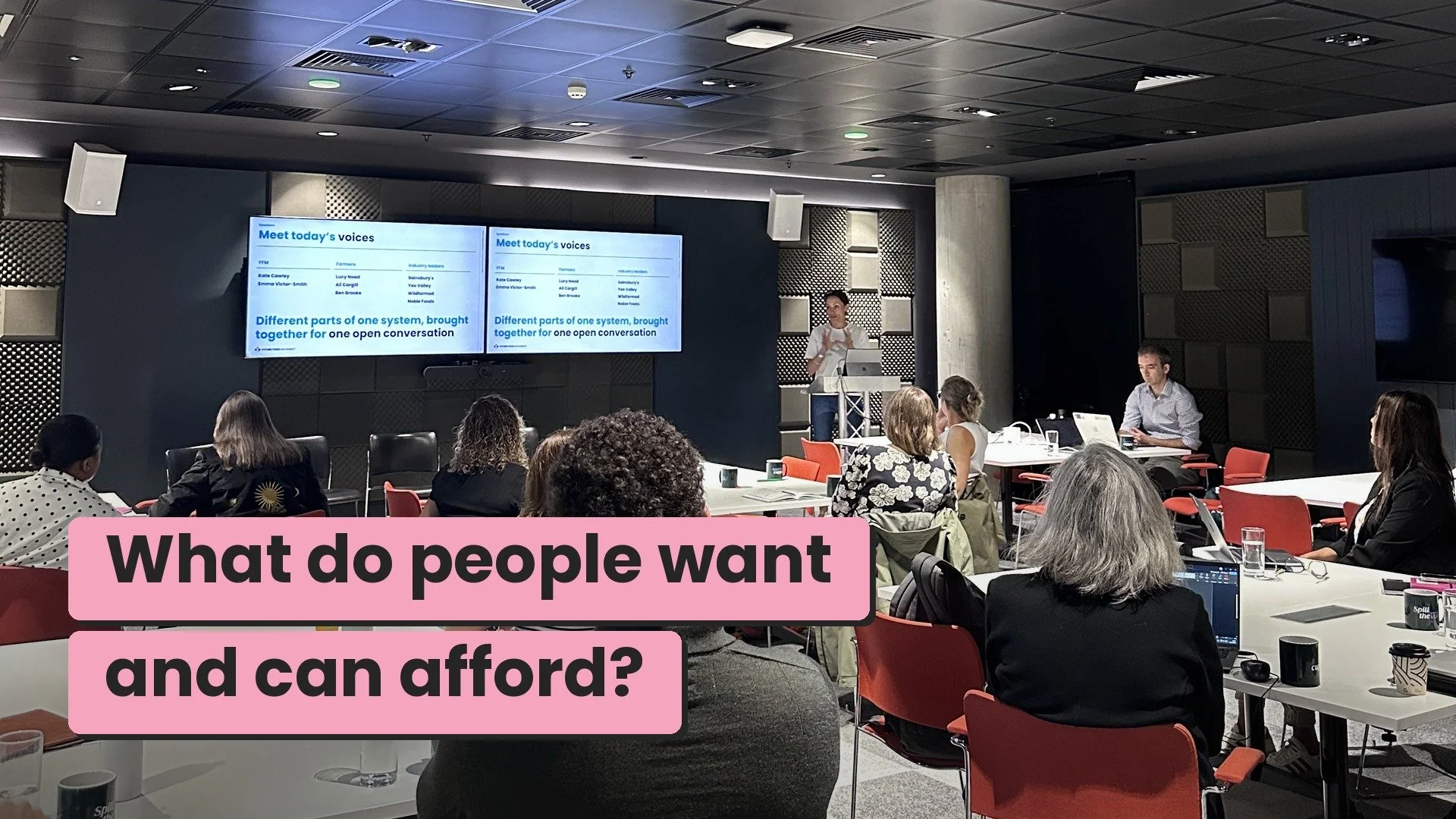
It’s a question that became increasingly interesting during a recent Future Food Movement session with ITV, when we brought farmers and food-industry leaders together with people working across television to explore what’s changing in food and what those changes could mean for audiences, content and commercial partnerships.
The brief was deliberately broader than sustainability, spanning health, affordability, climate, technology, demographics and changing consumer expectations.
What happens when demand doesn’t support transition?
We spend a lot of time thinking about the supply side of transition: farming practices, ingredients, reformulation, innovation, sourcing and investment. All are necessary. But if the resulting products or ingredients don’t have a market, change becomes much harder to sustain commercially.
Consumer demand isn’t created in a vacuum
Jeremy Mathieu’s ambition for the session was to help colleagues across ITV understand the challenges, opportunities and trade-offs affecting food so they could better reflect them in stories on screen.
We often talk about consumer demand as though it is something that simply arrives. Businesses research it, predict it and respond to it. But what people want is also influenced by what becomes familiar, relevant and desirable in the culture around them.
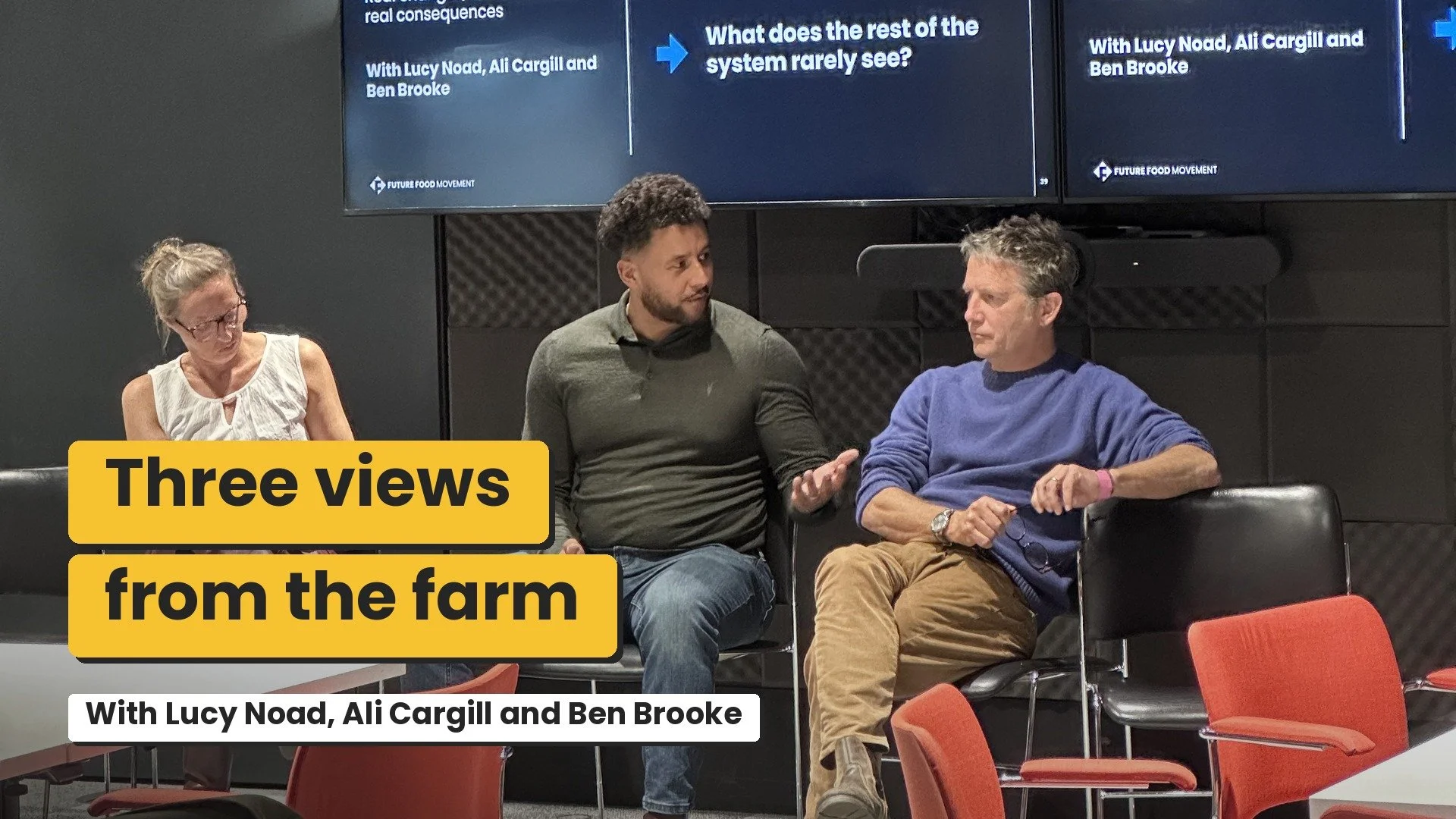
Farmer and Hawkstone Choir member Ben Brooke joined Future Food Movement Farmer-led Working Group farmers Ali Cargill and Lucy Noad and leaders from Sainsbury’s, Yeo Valley, Wildfarmed and Noble Foods, bringing perspectives from retail, food production, marketing and innovation.
The industry conversation had deliberately been framed around what is becoming relevant to audiences, what earns investment and trust, how brands can turn food-system change into customer value and growth, and how ITV might help commercial partners respond through content, storytelling and audience engagement.
From technical possibility to something people actually want
A healthier product can technically exist. A lower-impact ingredient can technically exist. A farmer can know how they would like to farm differently, but none of those things automatically create a viable market.
For food-system transition to move beyond individual pilots and pockets of progress, we need to pay attention to the space between what it is possible to produce and what people actually want to buy. That means food-system change involves commercial and cultural questions as well as technical and operational ones.
Perhaps the bigger question isn’t whether consumers are ready for change, but how the industry helps create the conditions for that change.
Food businesses help shape demand through the products they develop, how they price them and where they make them available. Storytelling can help unfamiliar foods become more familiar and desirable, alongside affordability, access and a good eating experience. For members, the opportunity is to consider those factors together when investing in change.
This is part of the value of being in FFM: access to perspectives beyond your usual network, early insight into emerging opportunities and a place to explore questions your business may struggle to answer alone. This session opened up a wider conversation between food and culture, and we’re exploring with ITV what further collaboration could look like.
Where do you see the biggest disconnect between the changes your business is trying to make and what customers want or can afford? Share that question with us. We’d like to explore it with members and bring different perspectives from across the FFM network into the conversation.