
We joined a policy roundtable dinner on the future of UK farming, hosted by our new strategic partner Future Biogas. Around the table were farmers, food manufacturers, people from the anaerobic digestion sector, parliamentarians and government officials. It was a frank conversation, and a useful one.
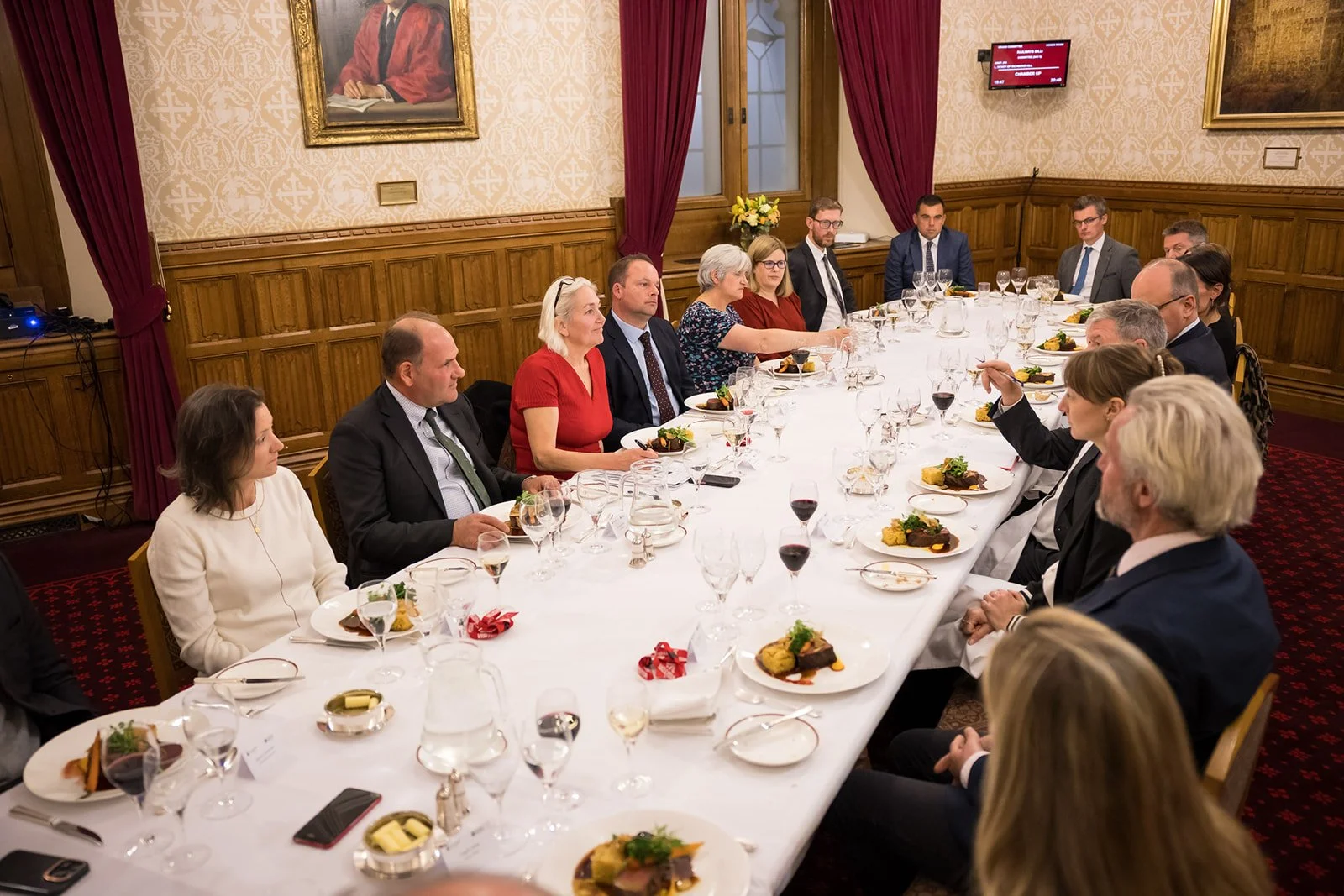
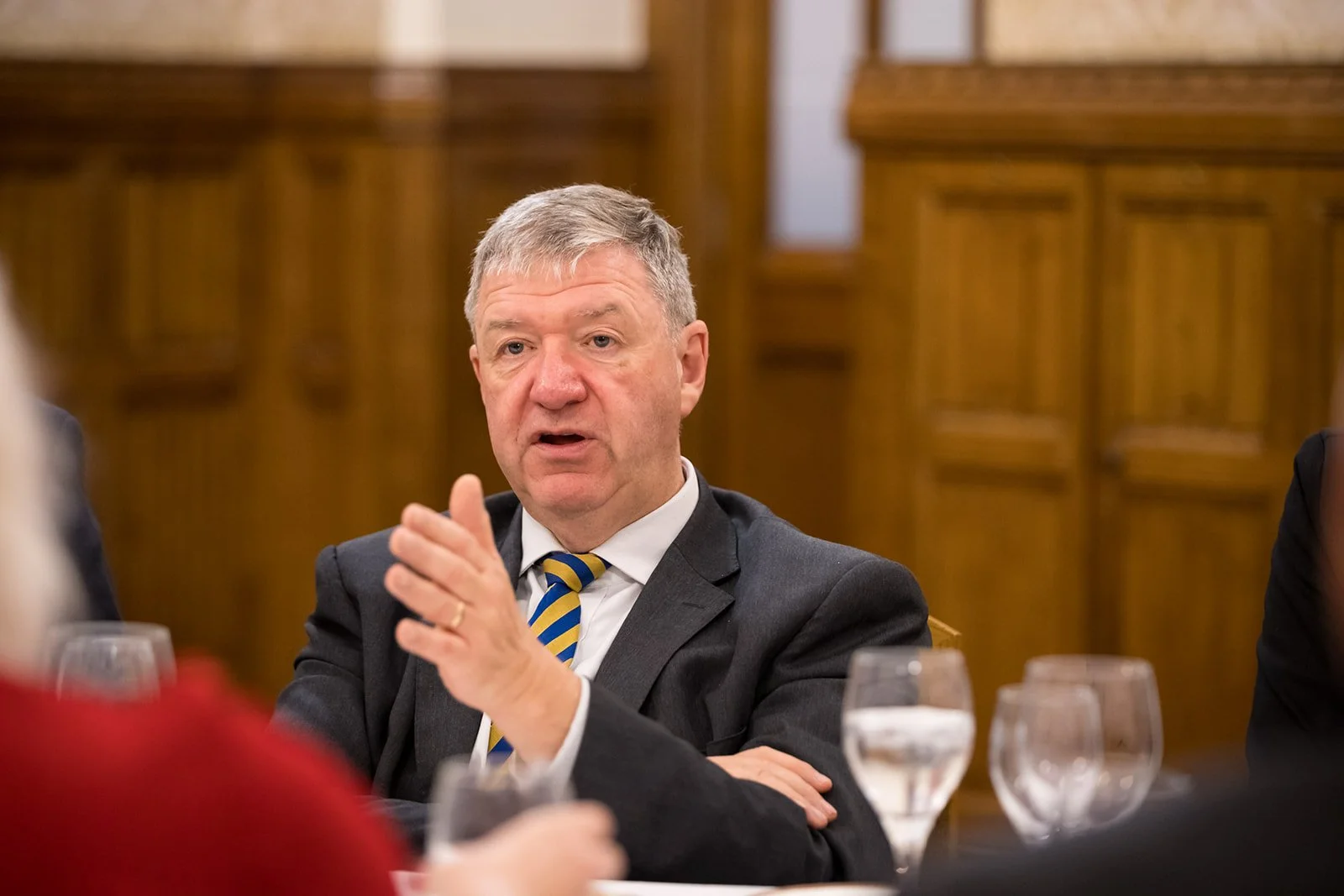
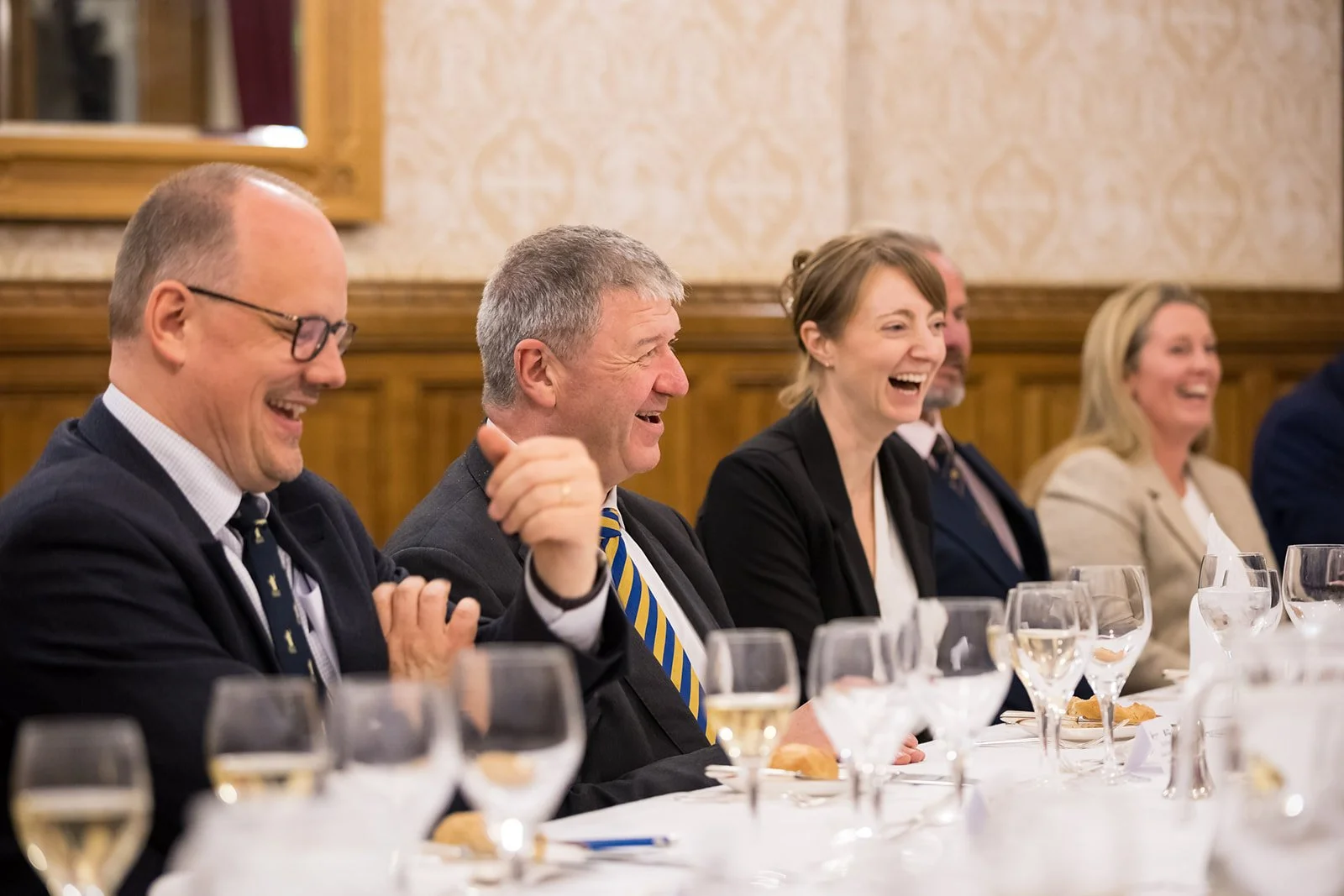
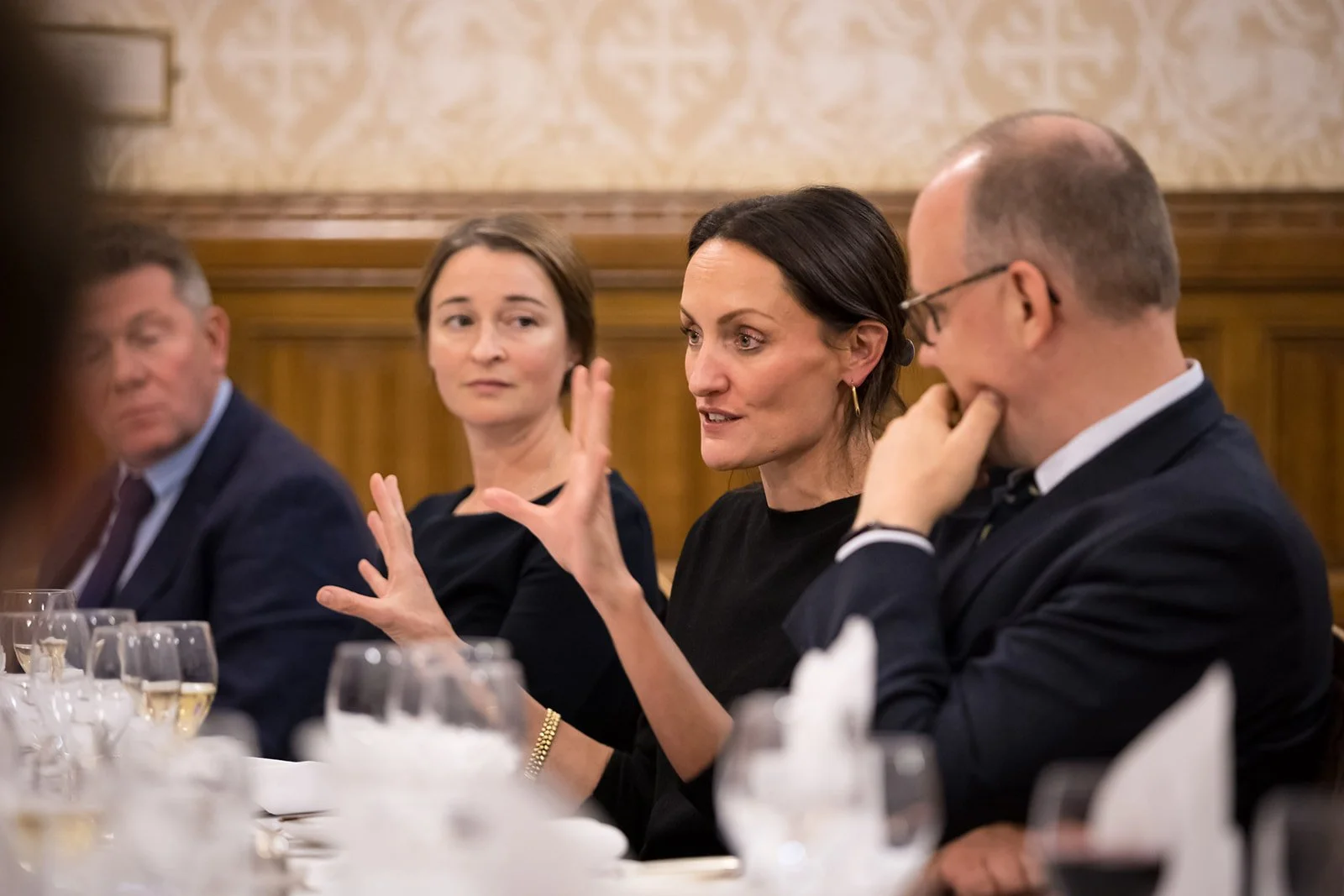
The backdrop was tough. This year’s harvest is on track to be the worst since records began in 1984, and it’s the third poor one in a row. Several growers described yields dropping sharply, and input costs and cash flow are squeezing them at the same time. There was a real worry that some farms will struggle to plant next year’s crops. If that happens, the merchants, hauliers and abattoirs that rely on them feel it too.
Most of the evening came back to one idea. Farm profitability has to be the test. A profitable farm can invest in its soil and in nature, and one that’s losing money can’t. Everything else depends on getting that right.
That’s where Future Biogas came in. Energy crops like wholecrop maize and rye can sit inside a normal arable rotation and give farmers a market for break crops. They also produce digestate, which can replace imported fertiliser. Contracts are priced on the cost of production, not on volatile world commodity prices, which gives growers something steadier to plan around. The group saw energy crops and food production working together on the same land rather than competing for it. Biogas cropping currently covers about 2.3% of UK arable land.
There was plenty of honesty about what’s getting in the way. People felt regulation on phosphate, digestate and planning hasn’t kept up. Government departments still work in silos. One food manufacturer explained that biomethane is its most cost effective route to its emissions targets, yet the way the rules are set up means it can’t always count towards them. The imbalance in the supply chain also came up, with roughly 15 large retailers buying from about 210,000 primary producers.
The group’s main proposal was a cross-party inquiry into the future of UK farming. The aim is a shared vision that any party could put in its manifesto. It would join up the Land Use Framework, the Farming Roadmap and the Food Strategy, bring retailers into the conversation, and give clear direction on energy market rules beyond 2028.
For us this is exactly why the partnership with Future Biogas matters. A lot of our members sit in the middle of these questions: sourcing, emissions targets, resilience and their relationships with growers. Food, energy and farm economics are tied together much more closely than most supply chain conversations admit, and we want to help our community work through that properly.
If you’d like to talk about any of this, or find out how FFM members are tackling it, get in touch.