
Who Pays for a Resilient Food System?
Helen Ireland
Strategy & Transformation Director, Future Food Movement
Food prices in Britain are up nearly 40% since 2020. Most British farmers say they have been hit by extreme rainfall in the last five years. A key fertiliser shipping route is effectively closed, and forecasters are warning of a record-breaking El Niño that will affect global food production over the next year. So when the Treasury starts urging supermarkets to consider voluntary price caps on eggs, milk and bread, the row that follows isn't really about pricing. It's about an assumption that has quietly broken: that global markets and just-in-time supply chains will reliably deliver affordable food, no matter what happens in the world.
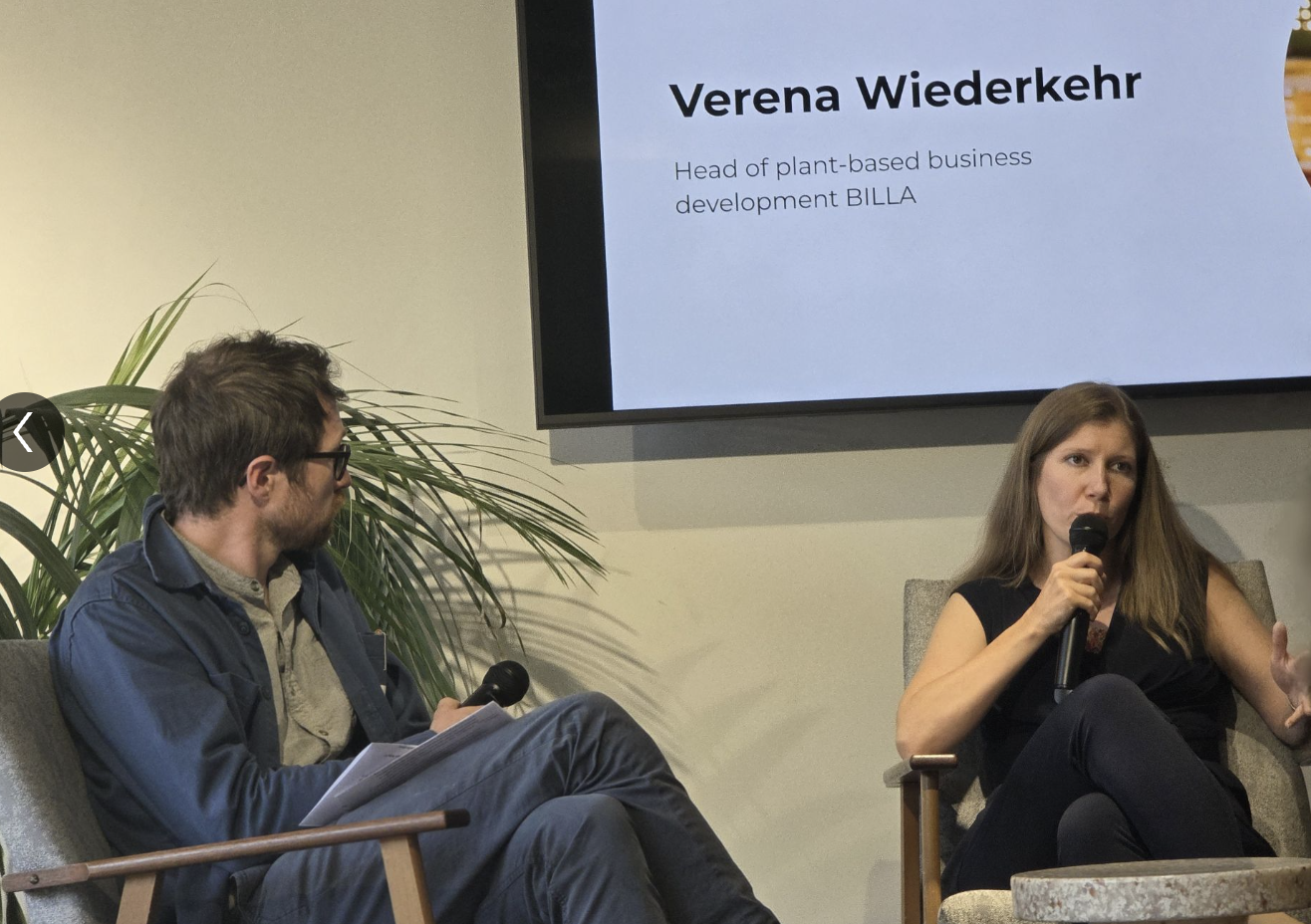
This is the territory Helen Ireland, Sustainability Strategy & Transformation Director, has been exploring across a series of recent reflections, from industry summits to retail benchmarking events. The thread running through all of them is the same: the food system isn't failing through lack of knowledge. It's failing because the incentives don't reward the people best placed to fix it.
A capability gap, or an incentive problem?
At the UK & Ireland Food Manufacturing Summit, Helen noted that manufacturers are working under intense cost pressure, retailers are optimising for price and margin, and farmers are left carrying a disproportionate share of risk. None of this is accidental; it's a product of how the system is designed. There is still a genuine capability gap in areas like regenerative sourcing and supply chain transparency, but even where the knowledge exists, the conditions to act are often missing. Organisations are rewarded for cost reduction and short-term performance, which makes even well-intentioned decisions hard to justify.
Where ambition meets reality
The protein transition shows this tension clearly. At Superlist Environment Europe 2026, only five of 27 benchmarked European supermarkets were actually showing emissions reductions, despite widespread ambition. The leaders, like Austria's BILLA, succeeded by anchoring the business case firmly in profit and margin rather than treating sustainability as a separate conversation. Around 90% of supermarket emissions sit in Scope 3, mostly in agricultural supply chains, and protein is the single biggest lever retailers hold. Get that balance right, Helen argues, and much of the rest gets easier.
Three things food businesses should actually do
Drawing these threads together, Helen's advice for leaders is practical rather than aspirational:
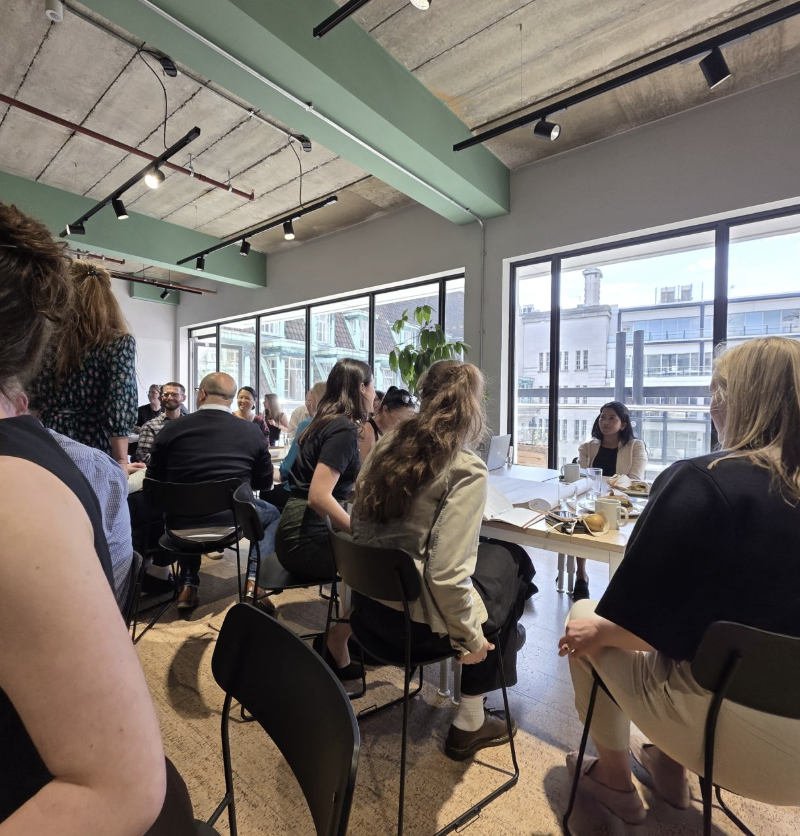
- Map system risk around your top ingredients, not just your carbon footprint. Climate exposure, water stress, fertiliser risk, farmer economics and consumer affordability belong on the same page, not scattered across four teams' separate reports.
- Get procurement, finance, sustainability and commercial into the same scenario, not the same meeting. That means shared language and shared decisions, rather than handoffs between departments working from different assumptions.
- Move from supplier management to supplier partnership. Longer-term contracts, fairer risk-sharing, and real investment in the farming systems businesses depend on, rather than pushing volatility further upstream.
Courage, not just capability
Helen's central question, echoed across each piece, is who is willing to go first, and who is willing to support them when they do. Resilience is now discussed more than sustainability in boardrooms, but it is still too often treated as a future problem on a slide rather than something funded today. CDP's research backs this up: companies expect $326 billion in lost revenue from extreme weather, yet only 35% currently treat it as a material financial risk, even though agriculture is widely named the most climate-exposed sector of all.
Price caps, Helen notes, are a political answer to political pressure. They are not a food system strategy. The real work is building the connected resilience that price caps can't deliver: shared risk, shared investment, and the courage to move before regulation forces the issue. That is the space Future Food Movement works in every day, helping organisations turn ambition into action across the whole system.
If your organisation is wrestling with where risk sits in your supply chain, or who should be funding resilience, get in touch with Helen to talk it through