
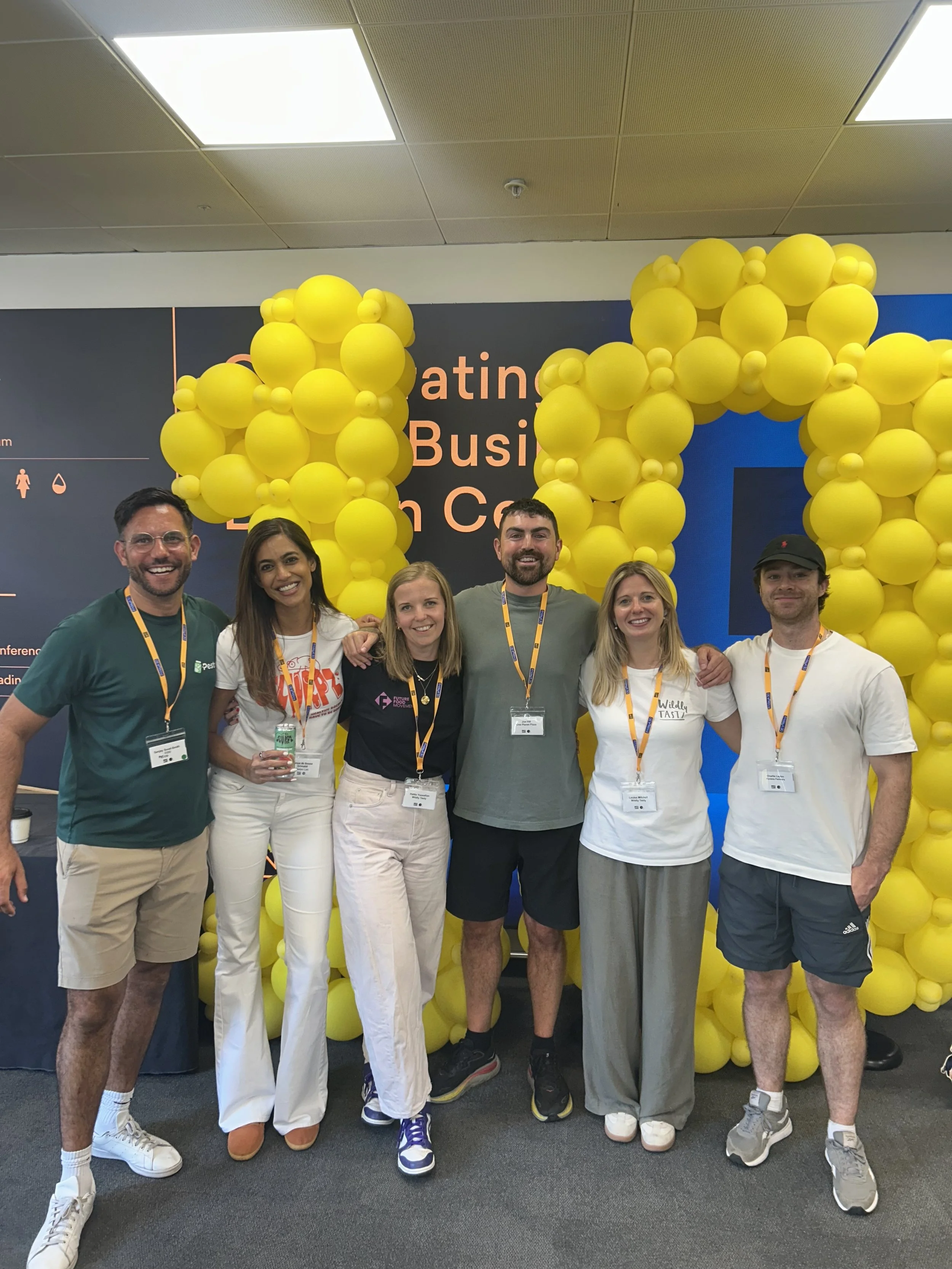
From a founder support & food systems lens
Bread & Jam. It's not just a festival, it's a working demonstration of what happens when an industry decides to actually support the people trying to build something in it. Our industry & Engagement Manager, Hattie, spent two days back at the Business Design Centre, catching up with familiar faces, meeting new ones, and coming away with more conviction than she walked in with.
The stat that anchors why this event exists is worth repeating. Every year, 16,000 new food and drink products launch into the UK market. Roughly 90% won't make it past their first year of trading. Bread & Jam has been running since 2016 on the belief that a lack of opportunity, information or support shouldn't be the reason a good brand doesn't make it, and having sat through two days of talks, pitch sessions and conversations with founders at every stage, it's clear that belief is doing real work.
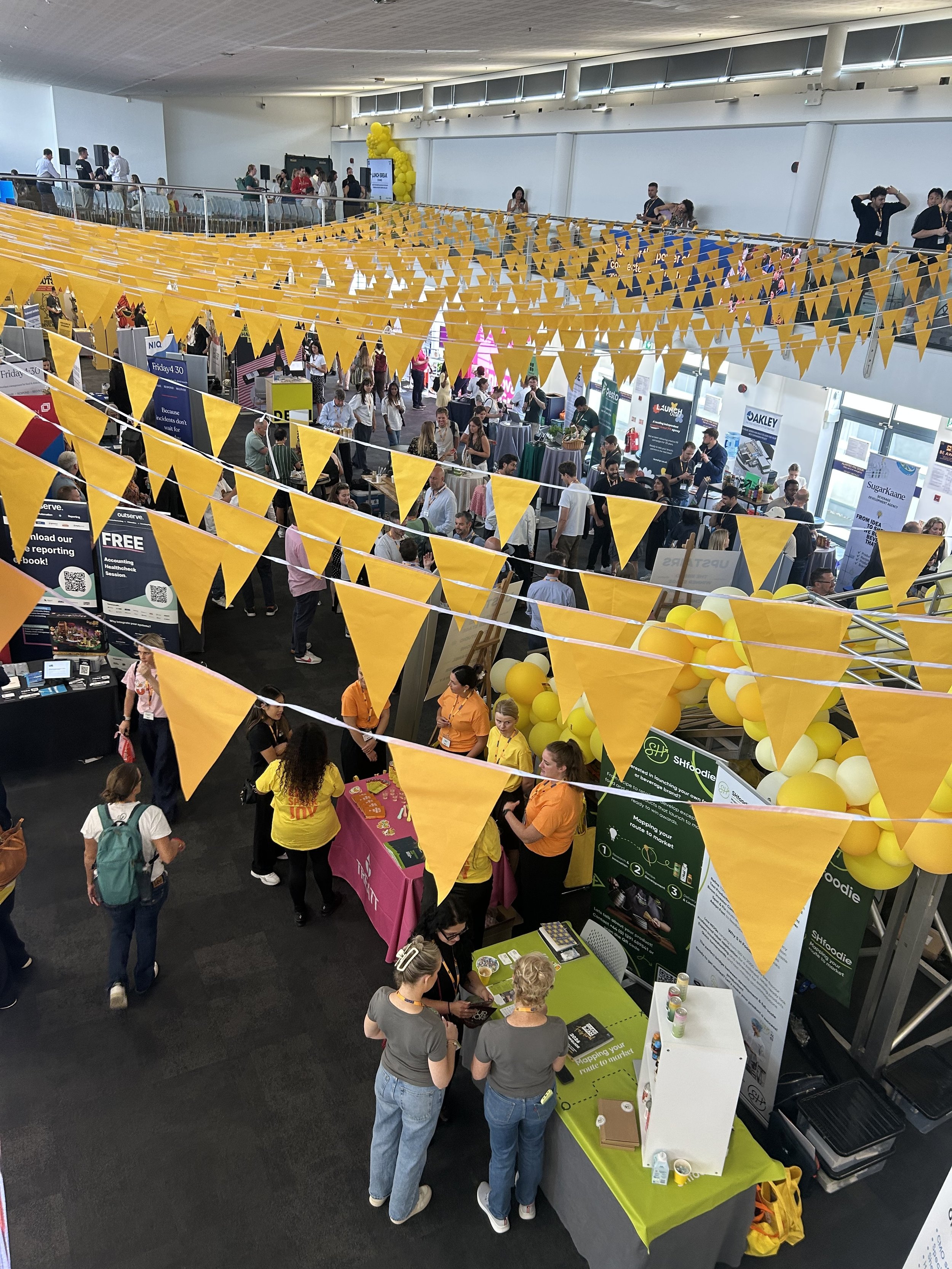
The room was full of two audiences at once, and both mattered.
Founders one year into trading, and founders five years past that point, were in the same sessions, hearing the same advice, sat next to each other in the same queue for coffee. That's not incidental. It's the model. The brands further down the road aren't gatekeeping what they've learned, they're on stage sharing it, and the effect is that nothing in the room felt unattainable. It's a rare thing to build a space candid enough that founders will say what actually worked and what didn't, and Bread & Jam's founder Jason Gibb has built exactly that.
A pitch, in practice, is a test of demand you should have already passed.
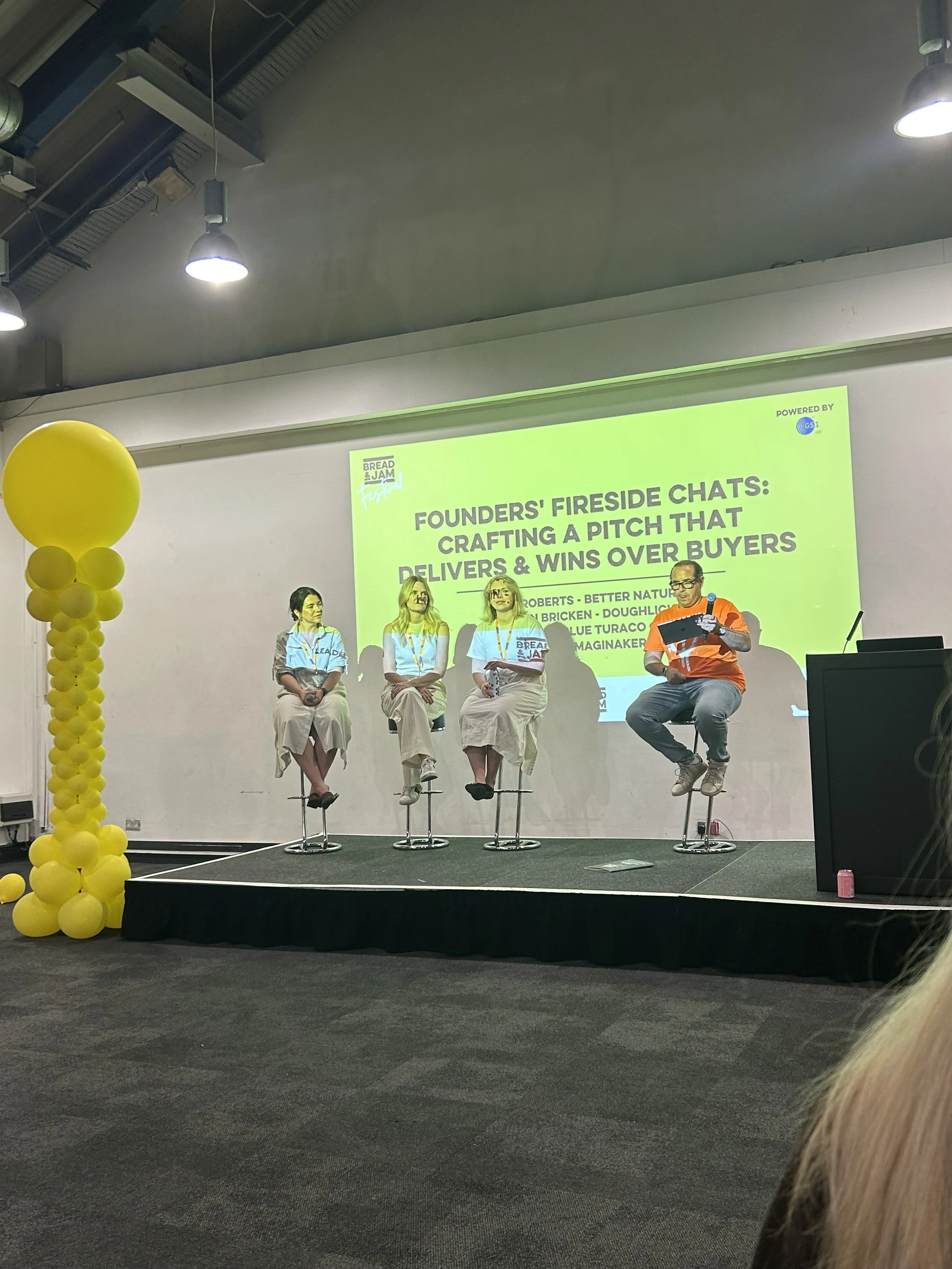
In a session on crafting a pitch with Blue Turaco, Better Nature and Doughlicious, the advice was blunt: you need to prove significant demand before you ever get in front of a retailer, not after. Consumer resonance shifts, and the brands doing this well are the ones constantly re-reading what's landing and doubling down on that specific message rather than trying to speak to everyone.
Worth noting for anyone building buyer relationships outside the festival calendar too, Taste of London was flagged as a genuinely useful event for innovation and for meeting buyers in a lower pressure, less transactional setting.
Perfect Ted's growth is a case study in creating a category, not just a product.
Perfect Ted's keynote laid out a brand now in 50 countries, holding 91% market share in matcha, built since 2020. What's more interesting than the growth number is what it's growth of. Matcha, as a category, brought new shoppers into a tea aisle that had been in decline. That's a different achievement to winning share within an existing category, it's expanding the category itself. Their founders also pointed to Kickstarter as a genuinely valuable early tool, not just for funding but for proving demand existed before a wider retail conversation was even possible.
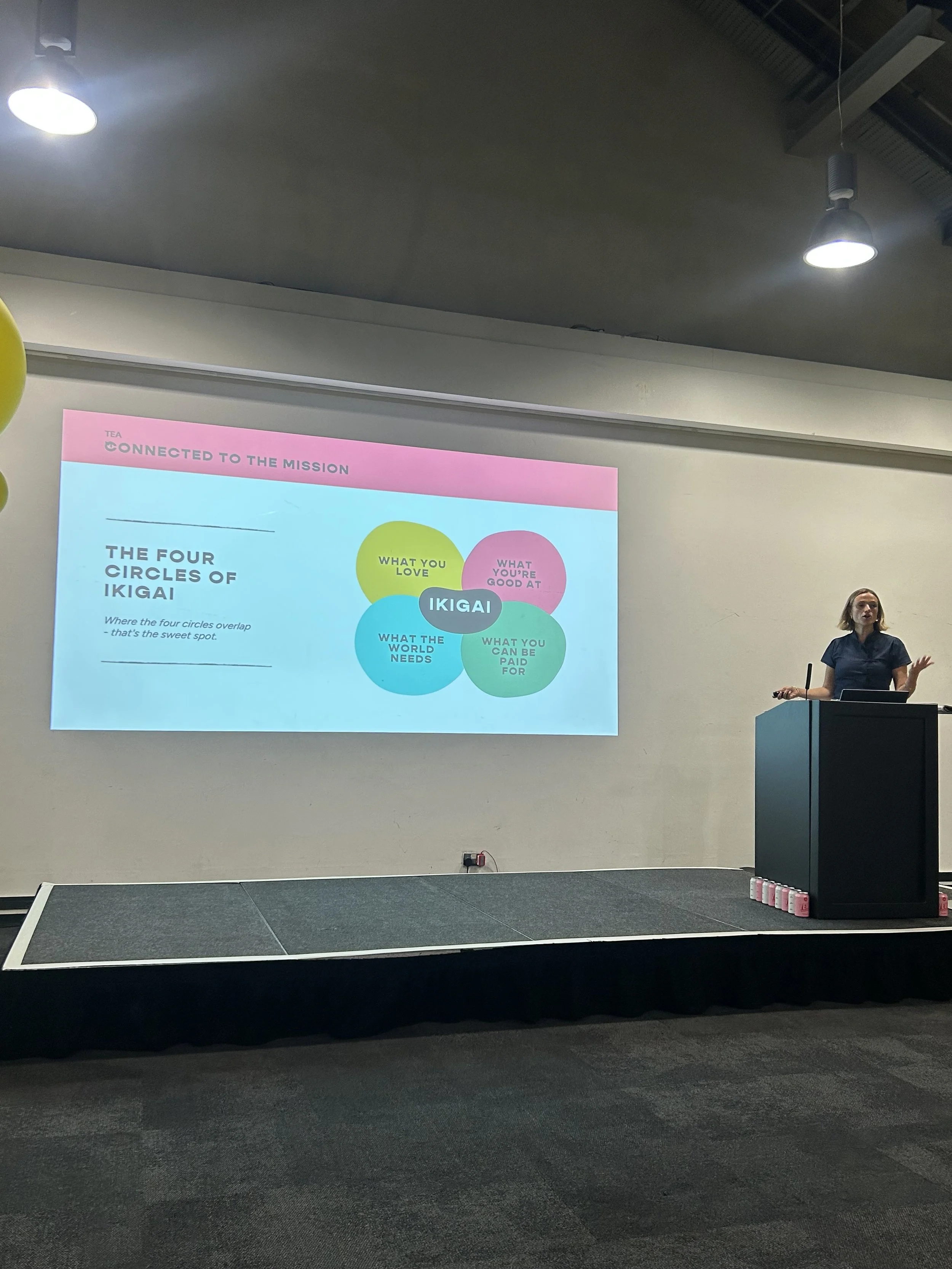
Bold Bean's Amelia Christie-Miller on why mission must come before product.
This was one of the standout sessions of the two days. Bold Bean posted content for a year and a half before there was a product to buy. Not as a marketing gimmick, but as a way of proving a community existed and building trust with it before asking for anything commercial in return. The framing Amelia offered, make your mission your superpower, isn't a slogan, it's a sequencing decision: mission and community first, commercial ask second. She pointed to Simon Sinek's "The Power of Why" as required watching for anyone building a brand from scratch and introduced the Japanese concept of “Ikigai” as a useful frame for founders to test their own direction against, the sweet spot between what you love, what you're good at, what the world needs and what you can be paid for. Most founders can answer two or three of those quickly. Sitting with all four is harder, and more useful.
The advice that kept surfacing, across every stage, was consistent enough to matter.
Make your mission your superpower. Your brand cannot be everything to everyone, find what genuinely resonates and double down. Data is king. Not every piece of content or output leads directly to a sale, but it can still serve the bigger mission and vision you're building toward. Do your research. And, repeated more than anything else, just be a nice person! In an industry this small, reputation moves faster than any product ever will.
None of this needs a mission statement to matter commercially.
It needs founders who are building with the same discipline whether they're one year in or five, and buyers, investors and partners willing to back that discipline early rather than waiting for the proof to be undeniable. The transition from idea to shelf is now genuinely well mapped by people who've done it. The businesses paying attention to how they did it are the ones who won't be starting from zero.
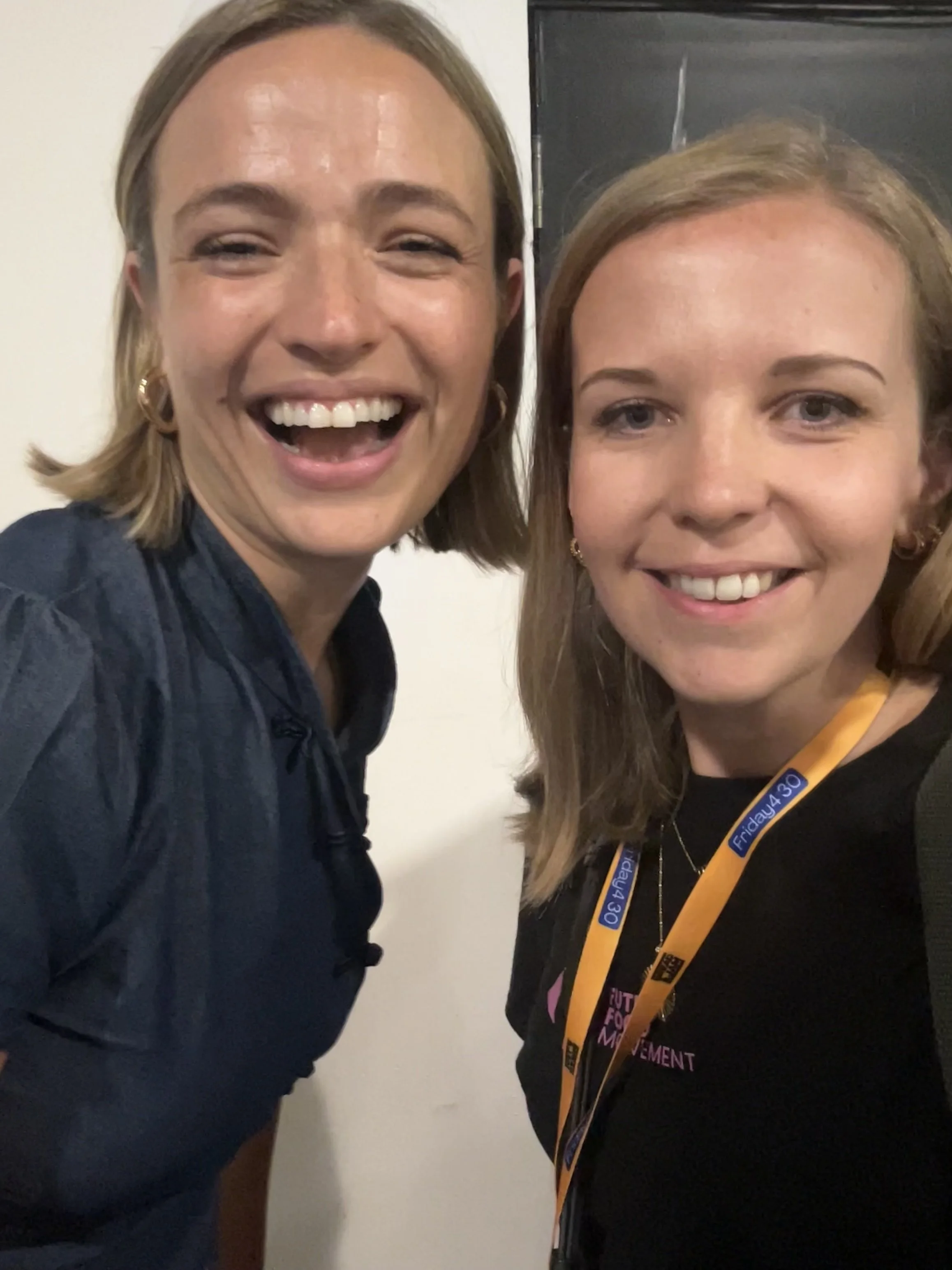
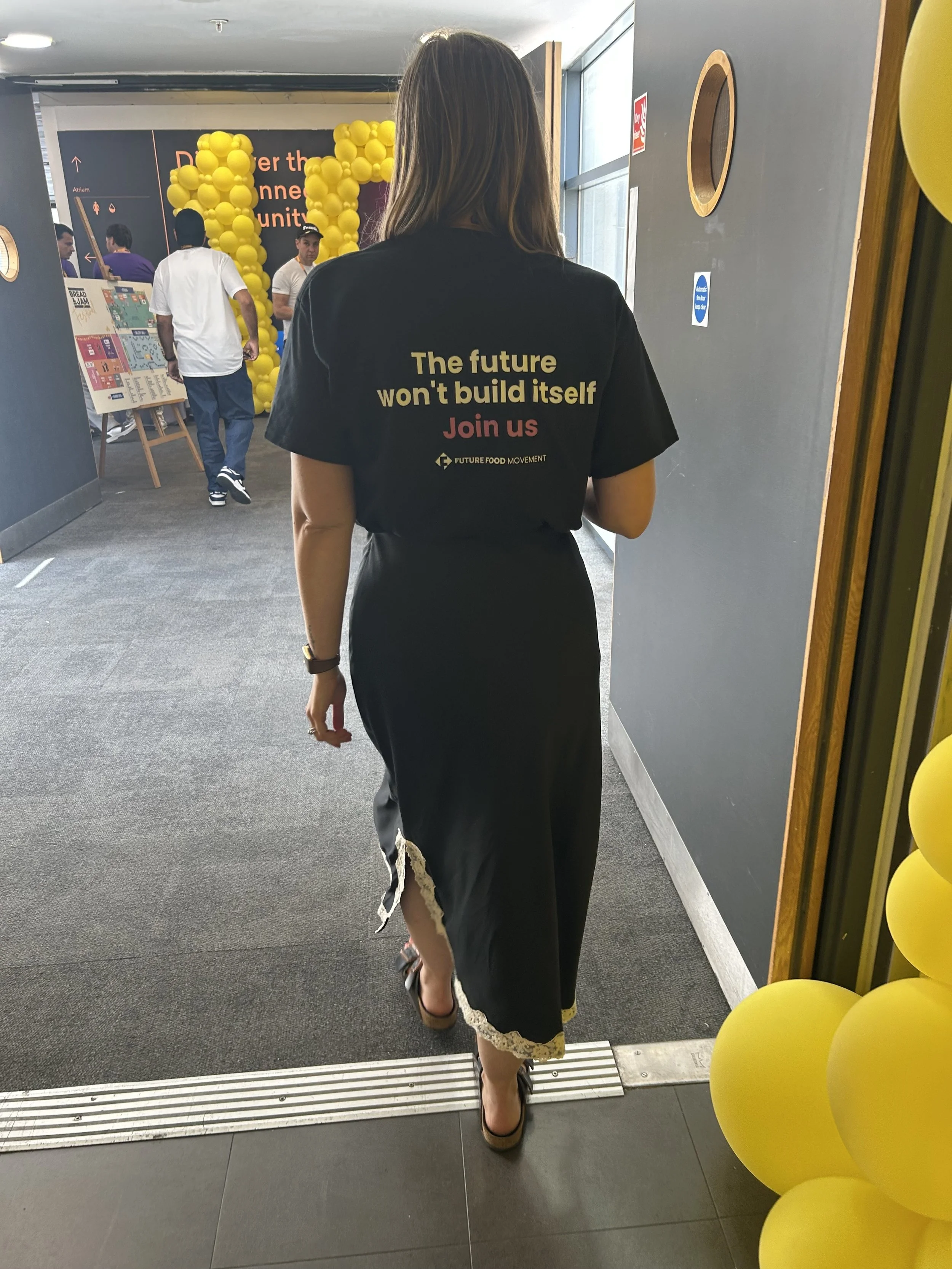
Great to catch up with so many familiar faces from the Future Food Movement network, and brilliant to meet new founders curious about what we're building. Getting more SMEs plugged into this network matters to us. They're some of the sharpest, most important voices in this industry, right at the heart of where the innovation is actually happening, and the value of information and insight sharing only grows the earlier you plug into it.
Fantastic talks from Amelia Christie-Miller, Levi Levenfiche, Stacey van den Aardweg, Elin Roberts, Kathryn Bricken, Rosie Long, Harry Turpin, Bonnie Chung, Jade Hoai, Laura Tudor, Genevieve Fitch and Freya Twigden.
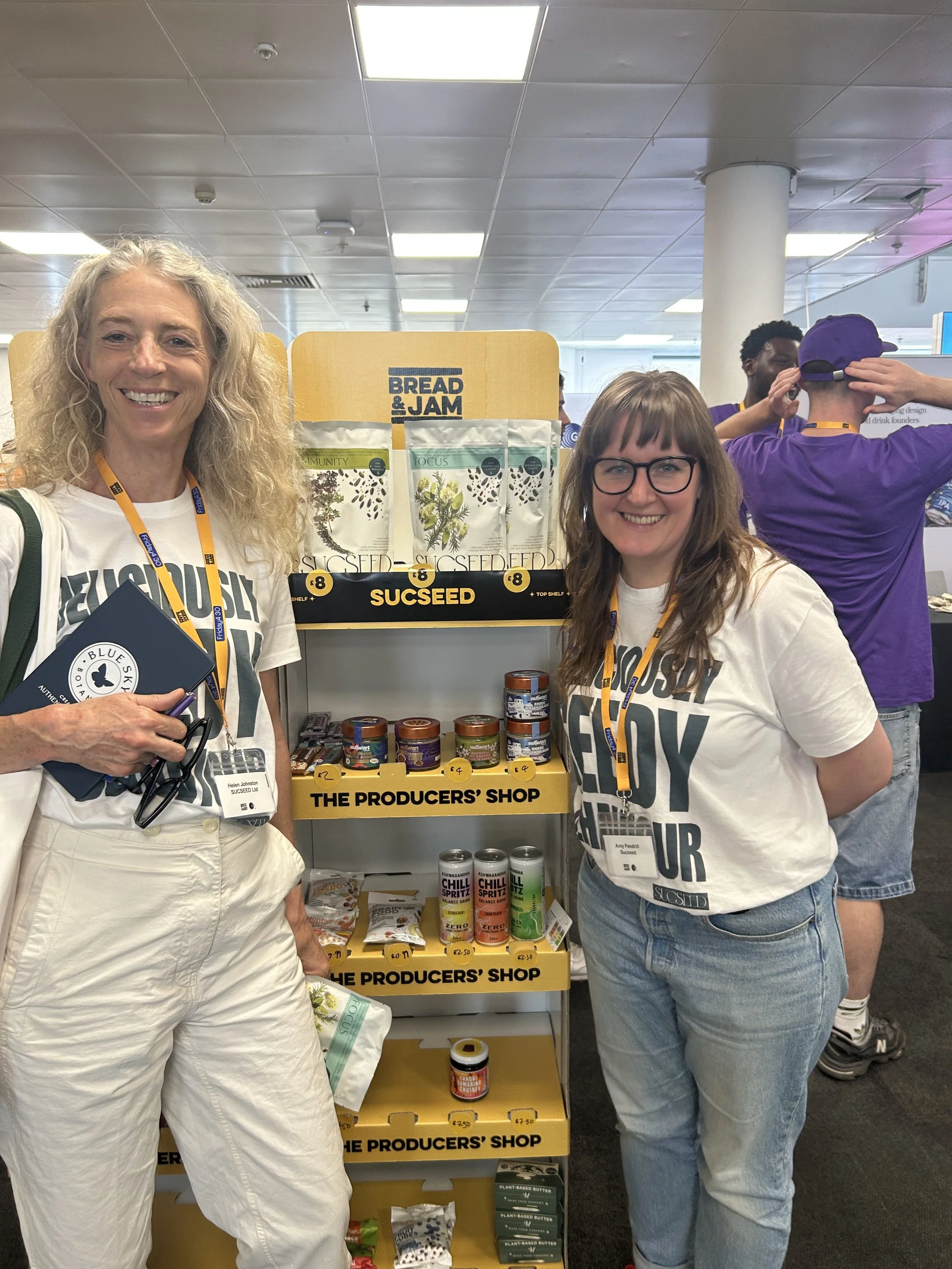
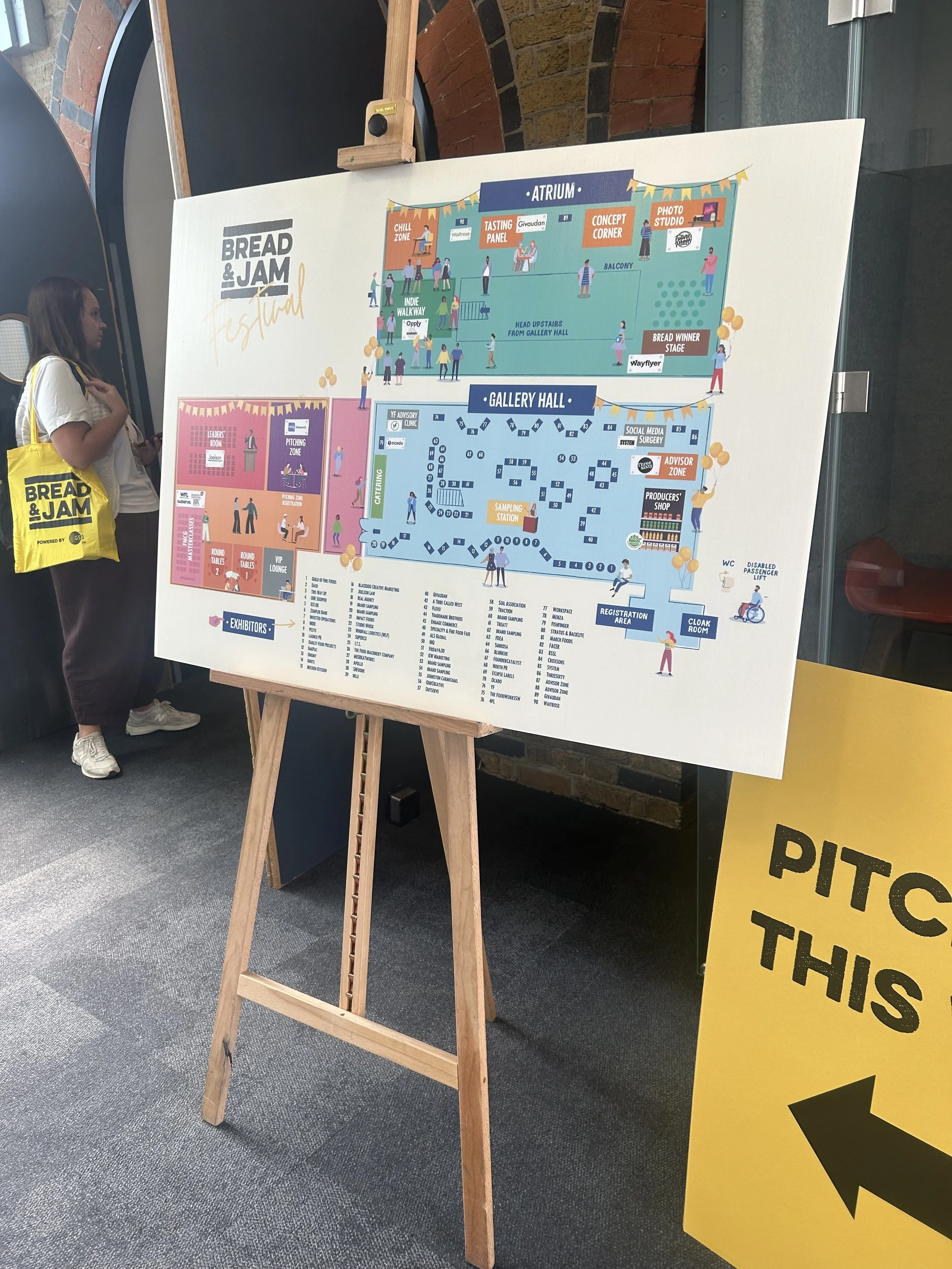
One of the best parts of the two days is always the Producers' Shop, with all donations going to City Harvest. There's nothing quite like discovering new brands in real life and bringing a haul back to share.
What can you do?
Founders and challenger brands
If you're building right now, the model that keeps working is the same one every speaker on that stage kept coming back to, prove the demand, find the message that resonates, and don't stop until you've done the research and built your tribe.
SMEs looking for a network
For the brand fighting for shelf space, not just building a following - getting in front of the right retail buyer usually takes months of cold emails and LinkedIn pitches. Explorer membership gets you there faster.
Every month, a curated network of retailers, manufacturers and fellow challenger brands who are actually shaping where food is heading, plus intelligence emails that flag shifts in the market before they hit trade press.
It's a shortcut every challenger brand needs and none of them have time to build alone.
£25pcm. Apply here or chat to us.