
Our newest member, Sarah Block of Green Hill Band, on what actually moves pulses from the back of the cupboard into everyday meals.
Most of the food system agrees on what a healthier, more sustainable plate looks like. Far fewer people eat it. Lentils show that gap more clearly than almost any other ingredient. They bring protein and fibre, they can cut fat, cost and carbon in a recipe, a can sells for around 50p and supply is plentiful. In the UK they are still seen as worthy but unexciting, and mostly something vegetarians eat.
That matters more now because the places where large numbers of people eat are being redesigned. School and prison food reform proposals are reopening public sector menus, food to go operators are already folding lentils into bowls, wraps and pastry, and retailers are stocking ready-cooked pouches that work much like microwave rice.
Sarah Block works on exactly that. Green Hill Band represents commodity boards whose food is imported into the UK, managing budget and commercial strategy for clients across the public and private sectors, and through Lentils.org works on behalf of Canadian lentil growers. Her team trains public sector cooks and development chefs and works with manufacturers on new formats. She joins the FFM community through Explorer, and we asked her what she is learning.
Lentils tick a lot of boxes the food system is trying to solve: nutrition, affordability and sustainability. Why do you think they’re still underused in the UK?
Much of it comes down to familiarity and confidence. In the UK, many people haven’t grown up cooking lentils, so they may be unsure how to make them tasty or build a satisfying meal around them. There’s also a perception that lentils are worthy but unexciting, or mainly for vegetarians, despite their central role in many food cultures.
There are so many ways to use them beyond the much-loved lentil soup or dhal, from burgers and pasta sauces to baking. But their nutritional, affordability and sustainability benefits alone won’t change habits. Making lentils more familiar through delicious, convenient meals—and showing how easily they fit into dishes people already enjoy -is how we start to close that gap.
What are you learning through Lentils.org about what actually gets consumers to change what they eat, rather than simply saying they want to?
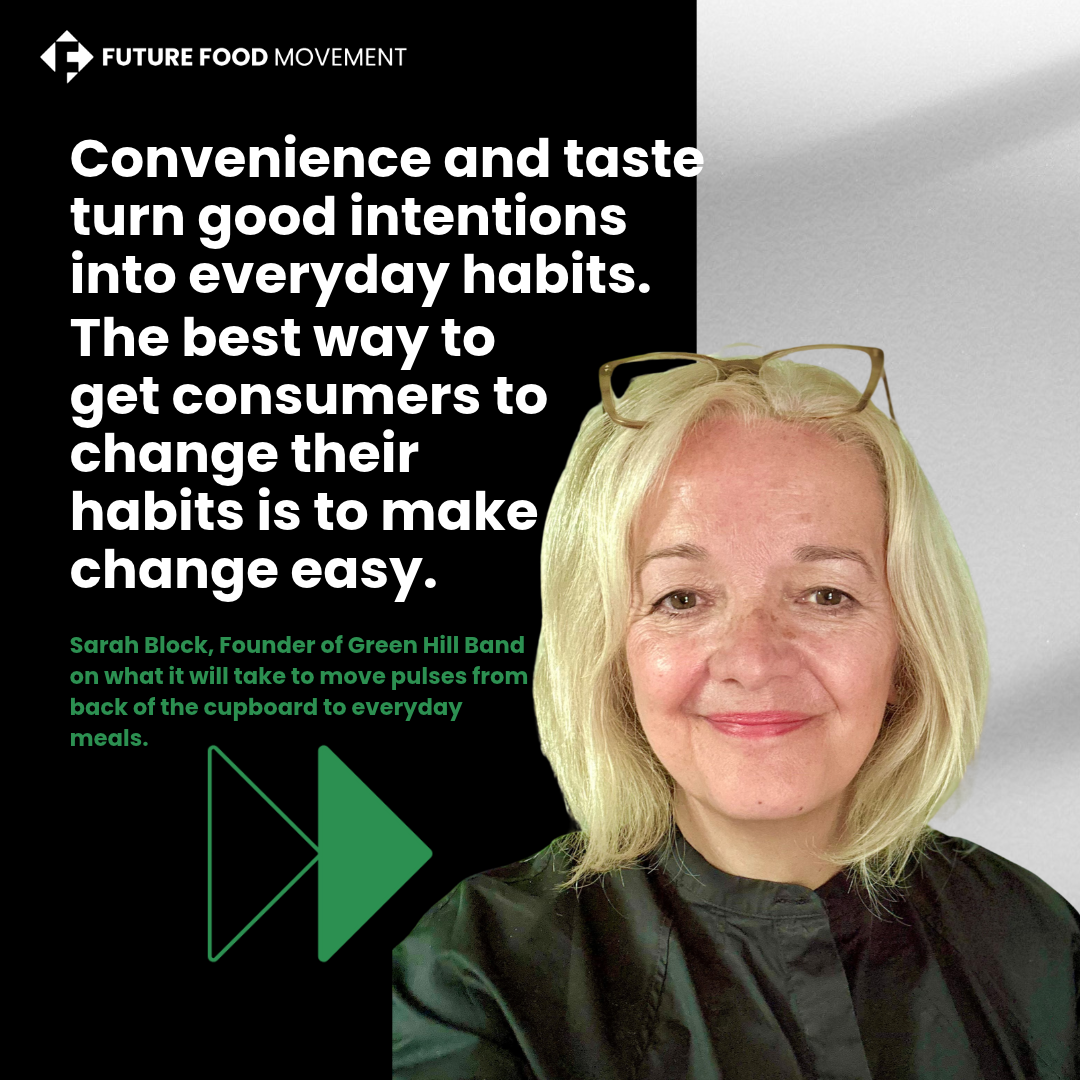
Convenience and taste turn good intentions into everyday habits.
The best way to get consumers to change their habits is to make change easy. There is a proliferation of new lentil products in retail, pouches are the best example. These products can be added to salads, curries, stews or eaten on their own. They are easy to use and easy to cook. It’s a similar story to rice, pre-cooked, 2 minutes in the microwave, ready, this makes consumption easy. Canned lentils perhaps less appealing but they too are ready cooked and retail at around 50p.
Taste. The Bold Bean Company have done a fantastic job making beans luxurious, delicious, rich, creamy, tasty. The don’t lead with - “this will save the planet and help increase your protein intake”.
Lentils are flavour sponges; they blend naturally with any ingredient. They can be used for burgers, pasta sauces, pizzas, bakes, in granola bars, …the list is endless.
Where are you seeing the biggest opportunity for lentils and pulses to become more mainstream: retail, foodservice, schools, product innovation or somewhere else?
We spend a lot of time working across the public sector. The new school, and prison food reform proposals, offer great opportunities for lentils to be incorporated across menus. Our challenge is to help public sector cooks, development chefs, nutritionists, buyers, the supply chain at large, understand the opportunities lentils offer. The fact that they can be implemented to reduce fat, calories, cost, carbon while at the same time adding protein and fibre is a great starting point.
In food to go, we are seeing lentils routinely added to power bowls, salads, stews and soups. We are also seeing innovation with companies adding lentils to pastry, using lentil hummus to replace mayonnaise in wraps and sandwiches, and of course there is a proliferation of lentil crisps and snacks.
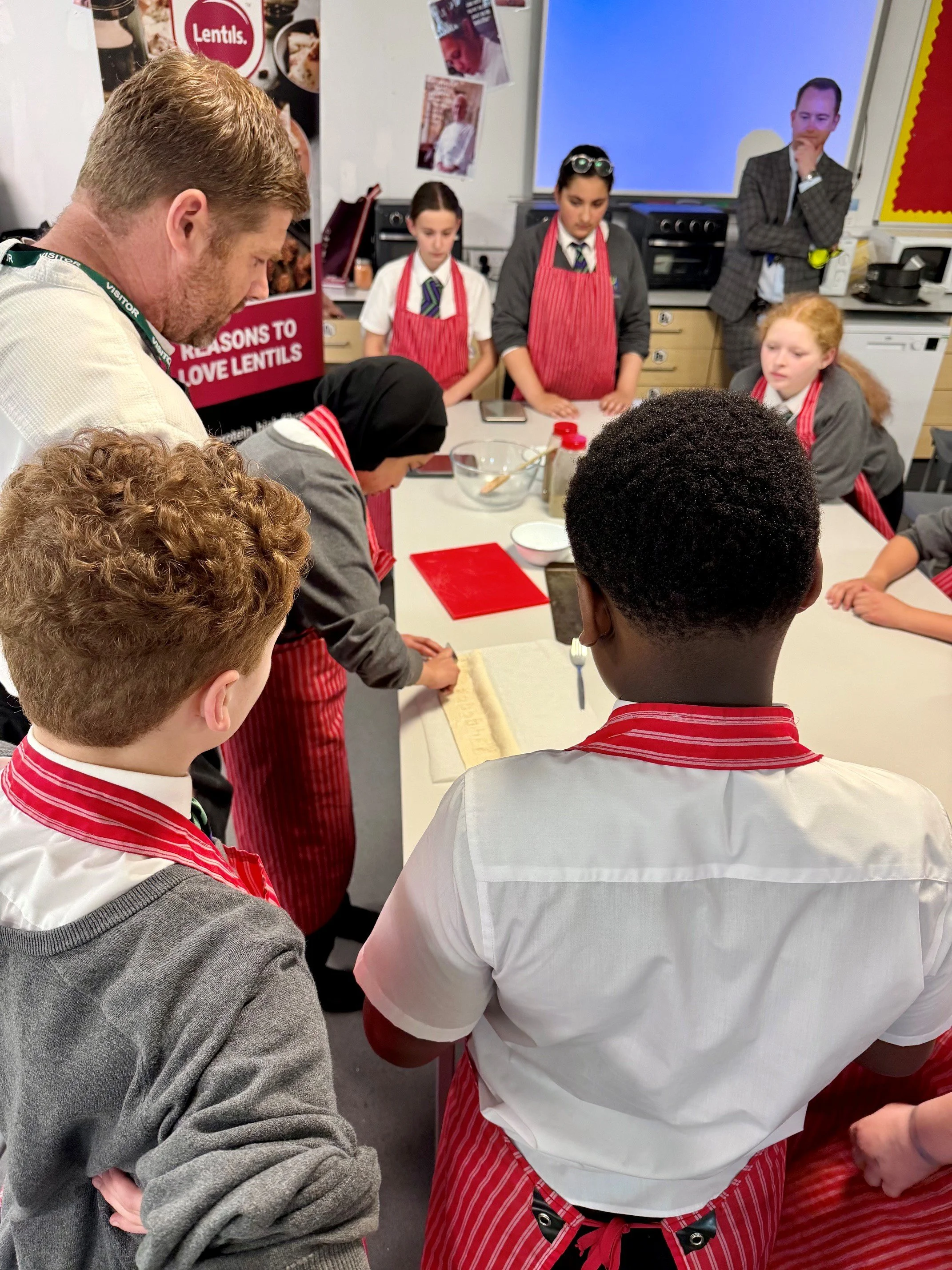
In schools, many kids may not like a lentil and chickpea curry for example, but health by stealth means lentils can be added to meat blends, pasta sauces, pizza bases, hummus, banana bread, without anyone knowing.
What are the practical barriers stopping food businesses from using more lentils and pulses, and what have you seen work in overcoming them?
The biggest barriers we encounter are a lack of familiarity with lentils, misconceptions about preparation, and a need for more convenient products. Supply itself isn’t an issue: we represent Canadian lentil growers, and supply is plentiful. Our role is to help food businesses understand where lentils can work and the benefits they bring.
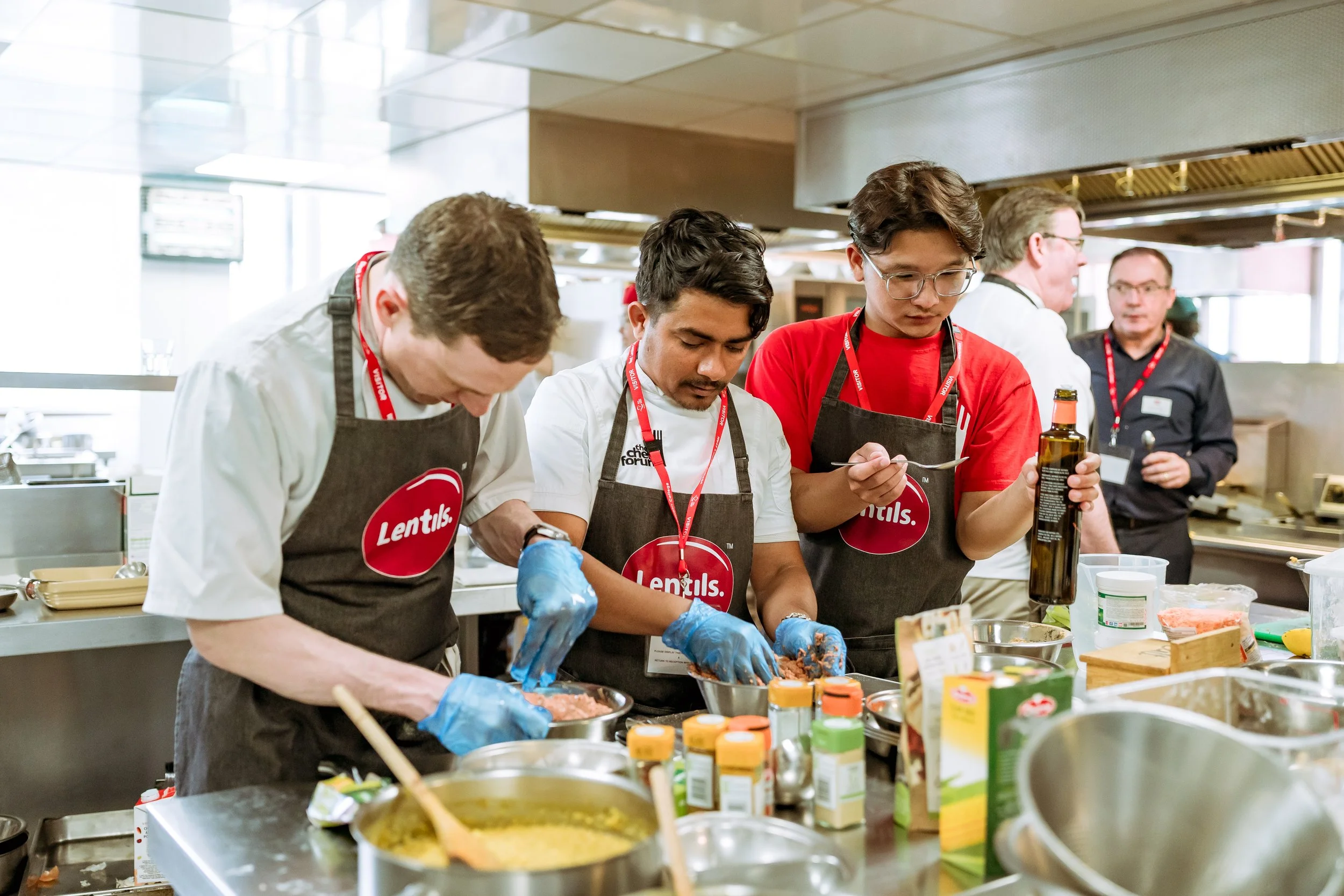
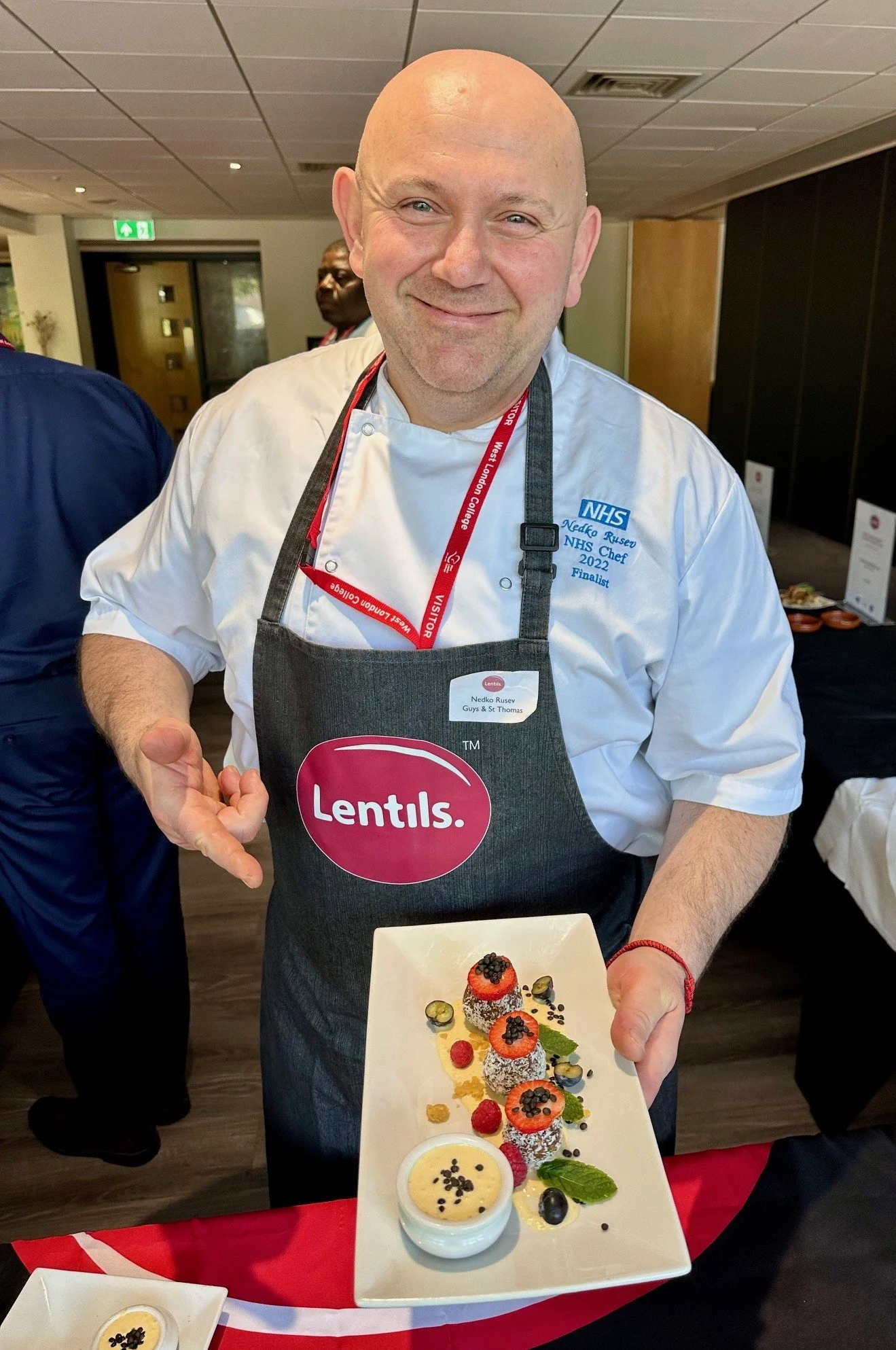
Education often starts with tasting. We begin our training sessions with brownies or other bakes made with lentils, which immediately challenges expectations. The reaction is often, “This is delicious-I had no idea!” That opens the door to discussing other applications. We also tackle practical misconceptions, particularly the belief that lentils need soaking. They don’t.
There is no single approach to introducing them. Lentils can be a visible, celebrated ingredient or incorporated into familiar dishes. In trials we ran with King’s College London, lentils were explicitly named on menus, and the dishes containing them performed strongly. That won’t necessarily translate to every setting, but it challenges the assumption that mentioning lentils puts customers off.
We’re also seeing considerable interest from public sector chefs who want to use more lentils but need formats that fit busy kitchens. Examples include split red lentil paste in pouches, suitable for everything from meat blends to baking, and individually quick-frozen lentils that can be added directly to recipes. We’re working with manufacturers to connect that demand with product development.
Marketing matters too. Familiar dishes and appealing descriptions give people an easy route to trying lentils. ISS’s use of beef-and-lentil blends in school favourites illustrates the opportunity: businesses can change everyday recipes while keeping the meals recognisable and enjoyable. What works is combining delicious food, practical training and products that make life easier for chefs.
If lentils are a small example of a much bigger food-system shift, what do you think they tell us about how healthier, more sustainable diets will actually become mainstream?
Lentils show us that healthier, more sustainable diets can become mainstream through small, practical changes. You don’t have to be vegan to make a difference. Blending lentils with meat, enjoying a lentil-based main dish, or using them as an alternative to a manufactured meat substitute, can all help people introduce more plants into everyday meals.
Lentils aren’t a new, trendy ingredient, and they certainly aren’t a specialist food just for vegans. They’ve been part of food cultures around the world for generations. Our opportunity is to show how versatile, affordable and delicious they can be, in familiar dishes that can be enjoyed in any setting.
They’ve been at the back of the cupboard for too long! Making lentils an easy, enjoyable choice is how we turn awareness into lasting habits.
What we’re taking from this
Good intentions need a format. Sarah is clear that the nutrition, cost and carbon case won’t shift habits by itself. Taste and ease do, and for caterers that means products built for busy kitchens: pouches, split red lentil paste and individually quick-frozen lentils. That makes this a product development and procurement question as much as a health one, and there is commercial room for manufacturers who meet the demand she is hearing from public sector chefs.
Blending is a practical route into dietary change. Beef-and-lentil blends let caterers bring down fat, cost and carbon while adding fibre, and the dish on the plate is one people already know. It asks very little of the customer. The King’s College London trials add a useful complication, though. Dishes that named lentils on the menu performed strongly, which suggests some businesses may be hiding an ingredient their customers would happily choose. When to name it and when to blend it quietly is a call worth testing in your own setting.
Capability is the bottleneck. Lentils are plentiful, so the gap sits with kitchens and buying teams that haven’t worked with them much and still assume they need soaking. Sarah’s team opens its training with a lentil brownie, and that says a lot about how confidence gets built: people taste and try first, and the sustainability conversation comes after. Any business trying to move its menus towards more plants will probably recognise the same pattern.
If you’re reworking public sector menus, reformulating familiar dishes or developing food to go, Sarah’s chef development team is there to help. Lentils.org doesn’t sell lentils. The team runs regular training sessions and works with development chefs to find on-trend global dish ideas to suit any menu or food to go concept. You can reach Sarah at uk@lentils.org.
We’d also like to hear what has worked for you. Have you had more success blending pulses into recipes or naming them on the menu? Reply, comment or bring your experience to the next member session.
Welcome to the community, Sarah.