
Emma Victor Smith, Partnerships & Advocacy Director
Part of our job at FFM is listening to where the conversation about food is really happening, and a lot of it now happens on people's phones. Alongside the reports and member conversations, we've been tracking what citizens are watching, saving and sharing about food across Instagram and TikTok.
It's a useful lens as reports tell you what people say they care about. Social shows you what they act on, and it moves a lot faster.
At Future Food Movement we’re plugged into that. Culture moves faster than strategy decks, and the conversations happening on people's phones today will shape what our industry is expected to be tomorrow.
What's surfacing
A few themes kept coming up.
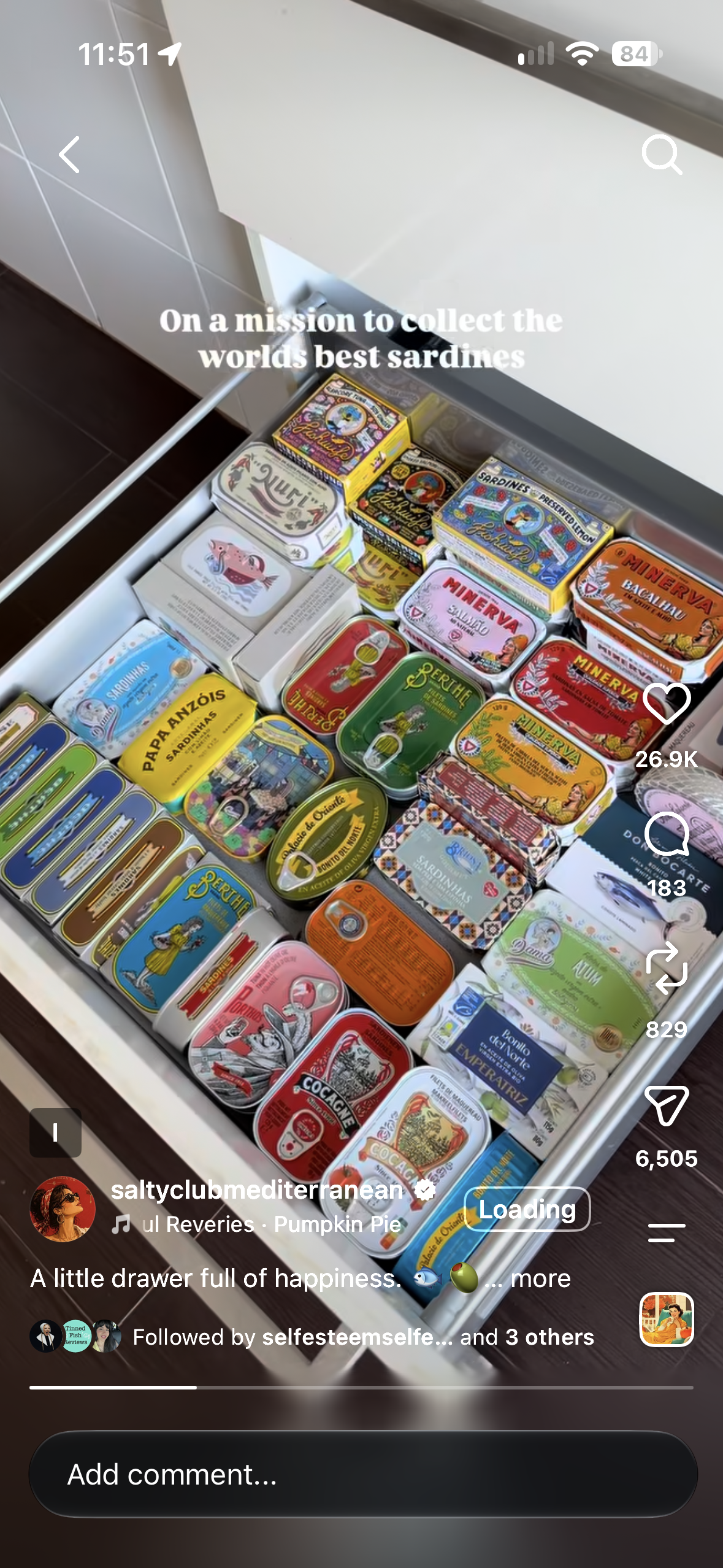
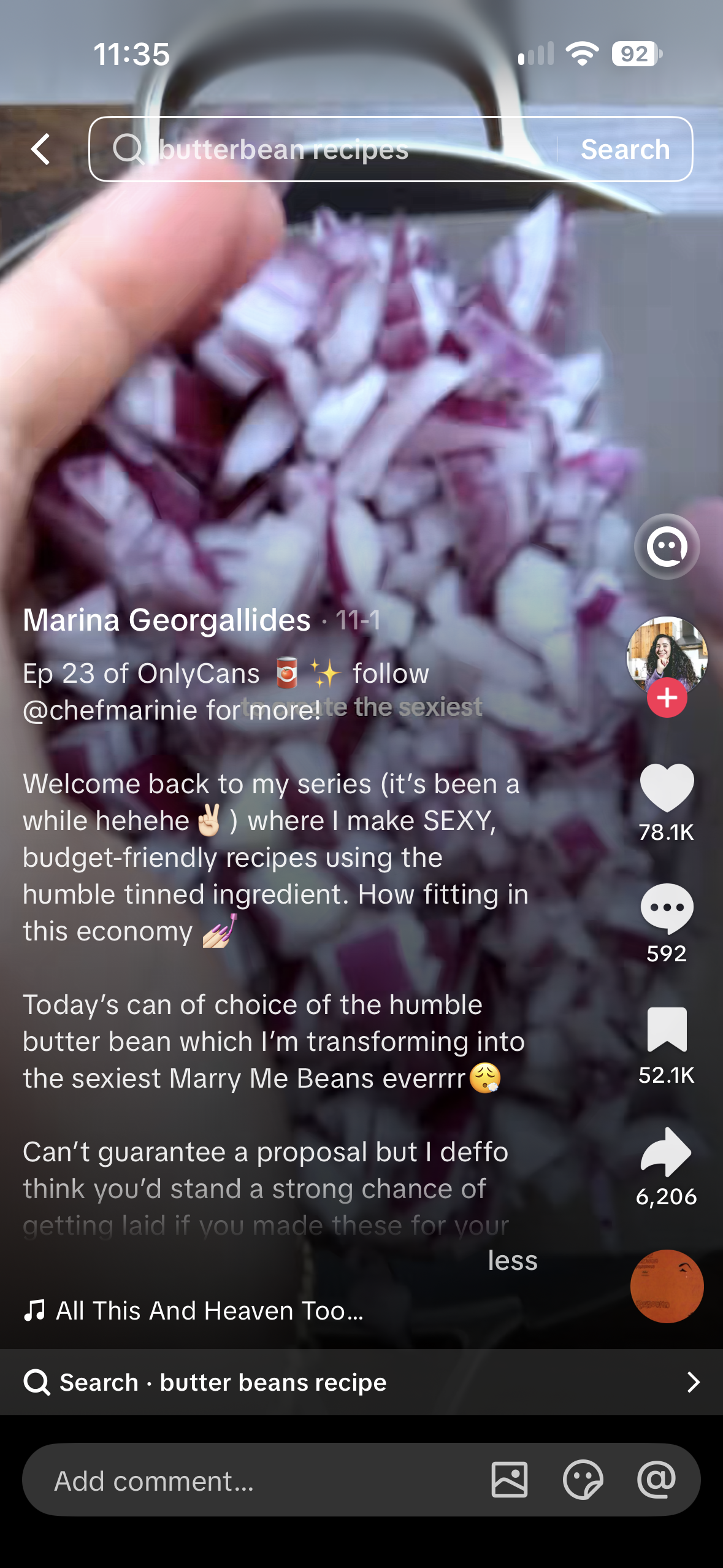
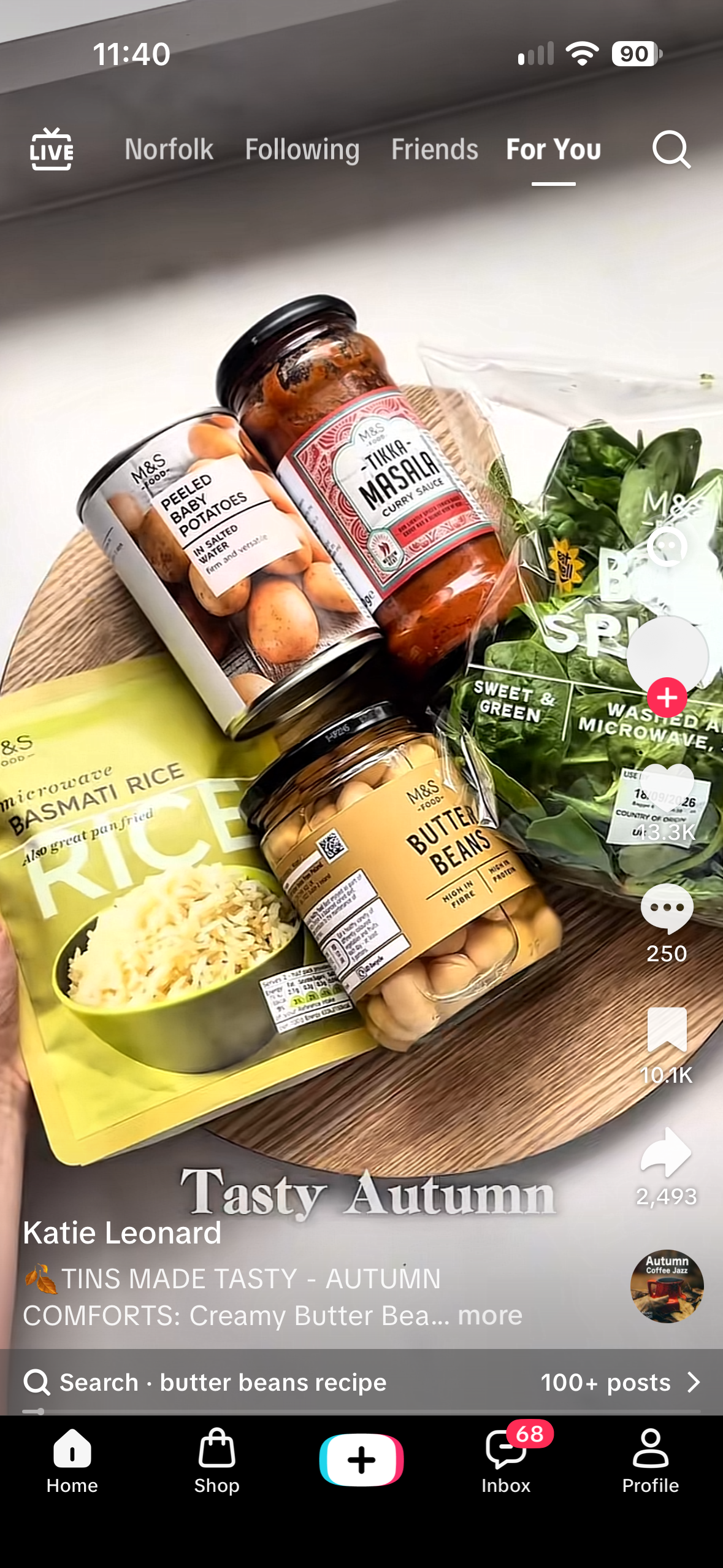
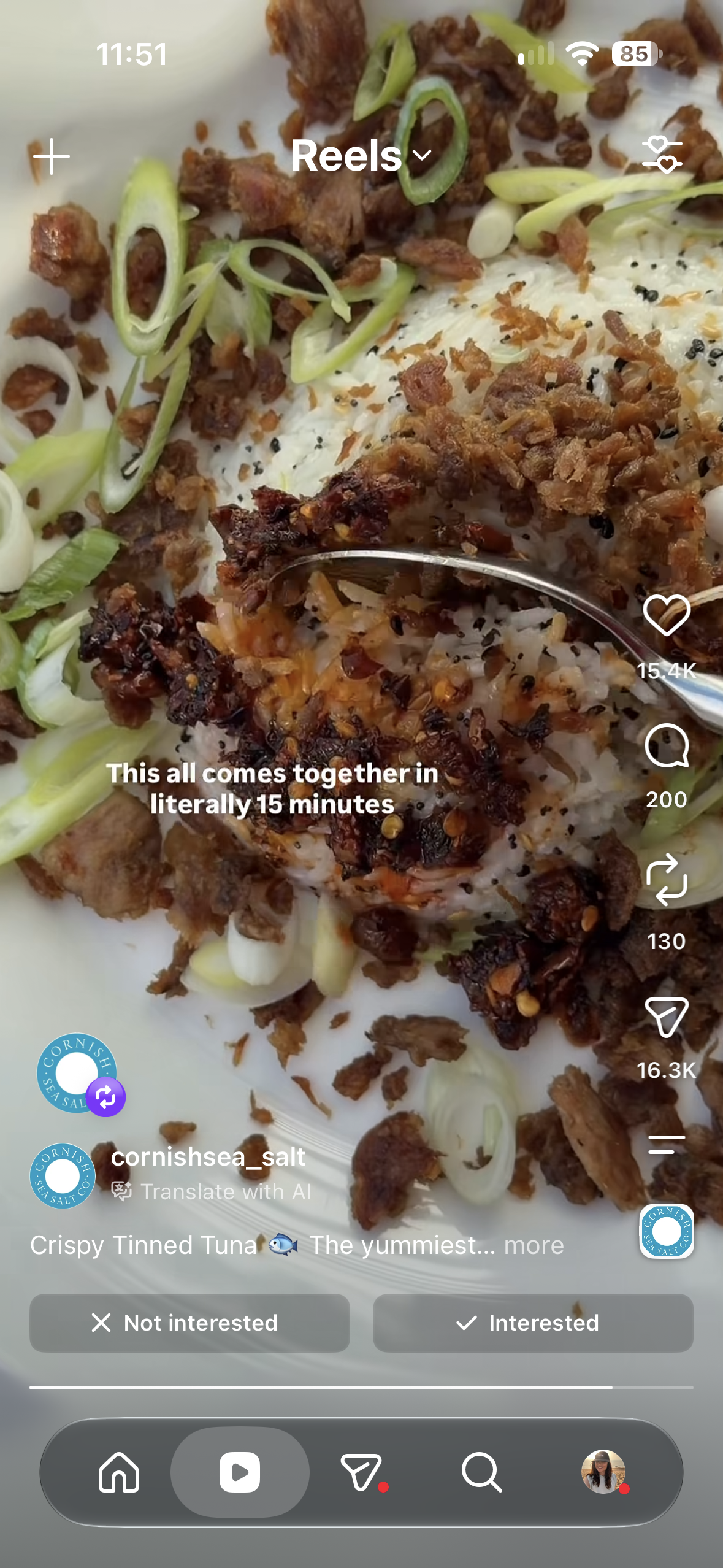

The humble tin is having a moment. Chef Marina Georgallides' OnlyCans series turns tinned butter beans into something people want to cook, and her latest post has been saved more than 52,000 times. Tinned fish, tinned tuna and "tins made tasty" recipes kept coming up, alongside a wider love of good-value staples. Budget, convenience and flavour in one. Seen on: @chefmarinie, Katie Leonard (Tins Made Tasty), @cornishsea_salt.
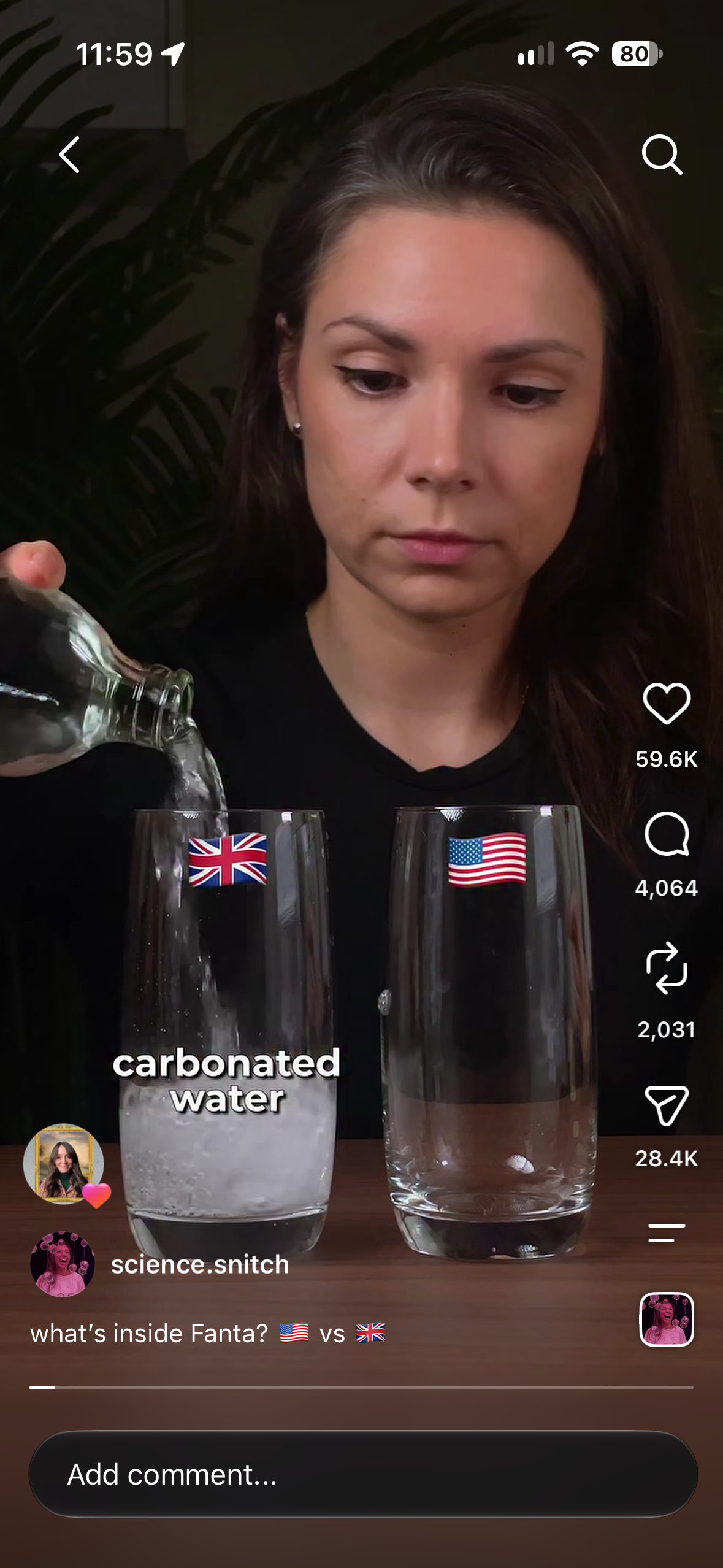
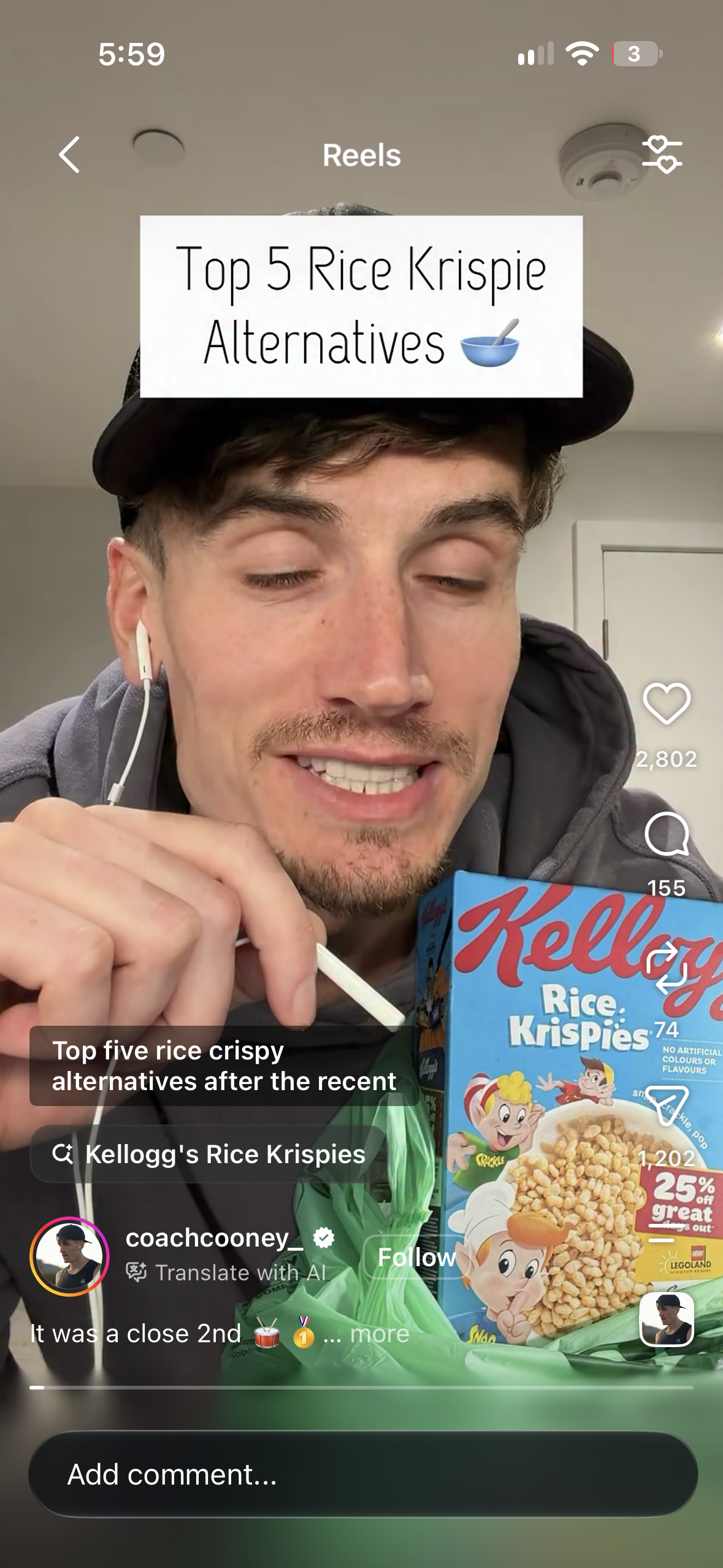
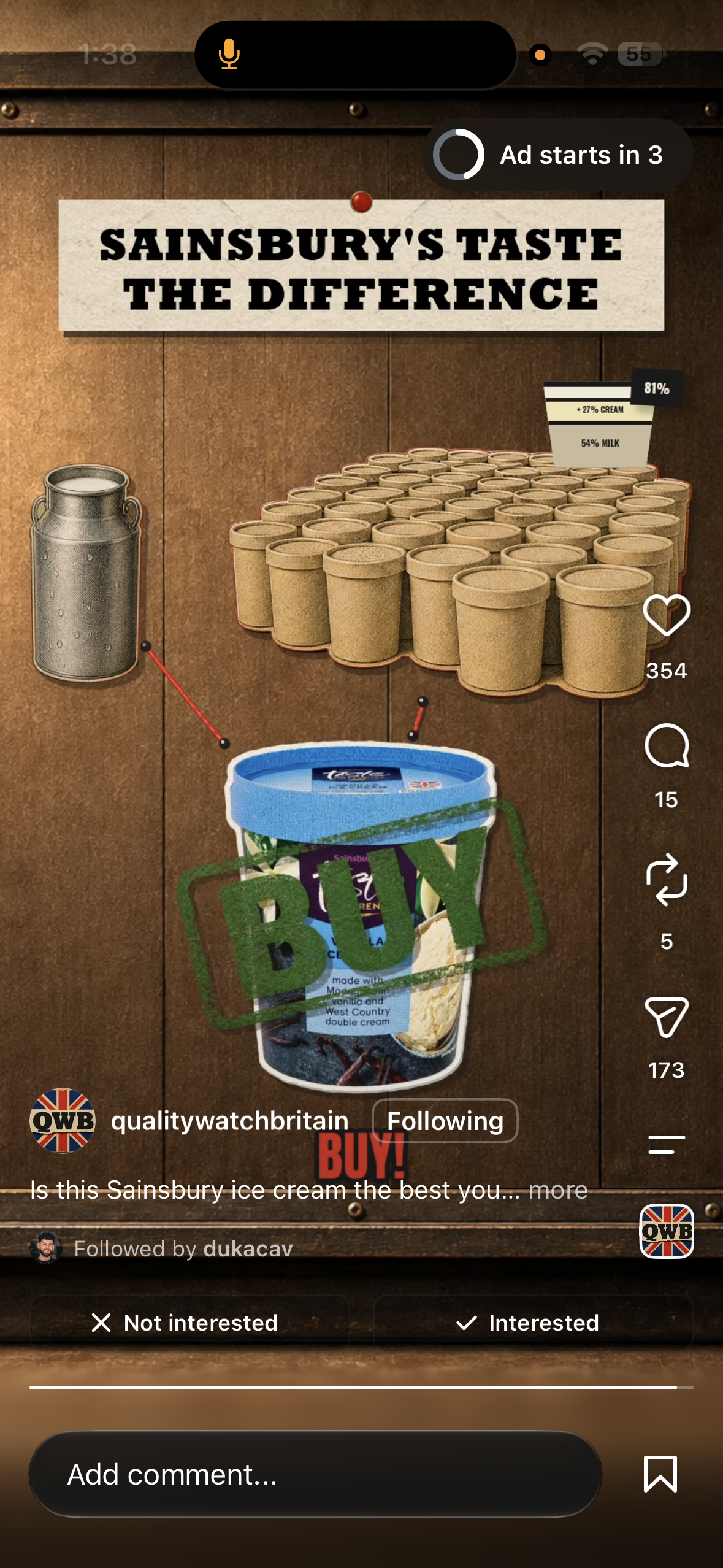
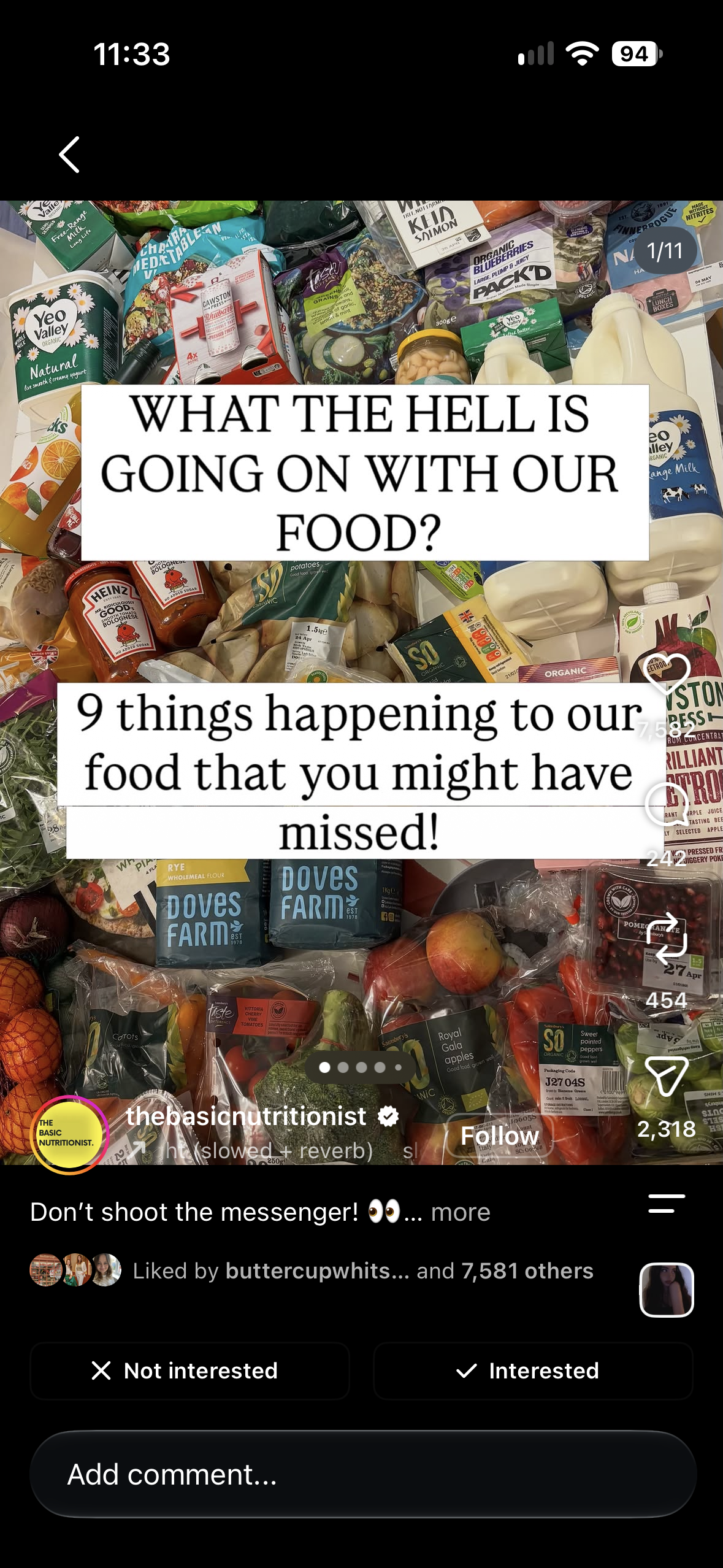
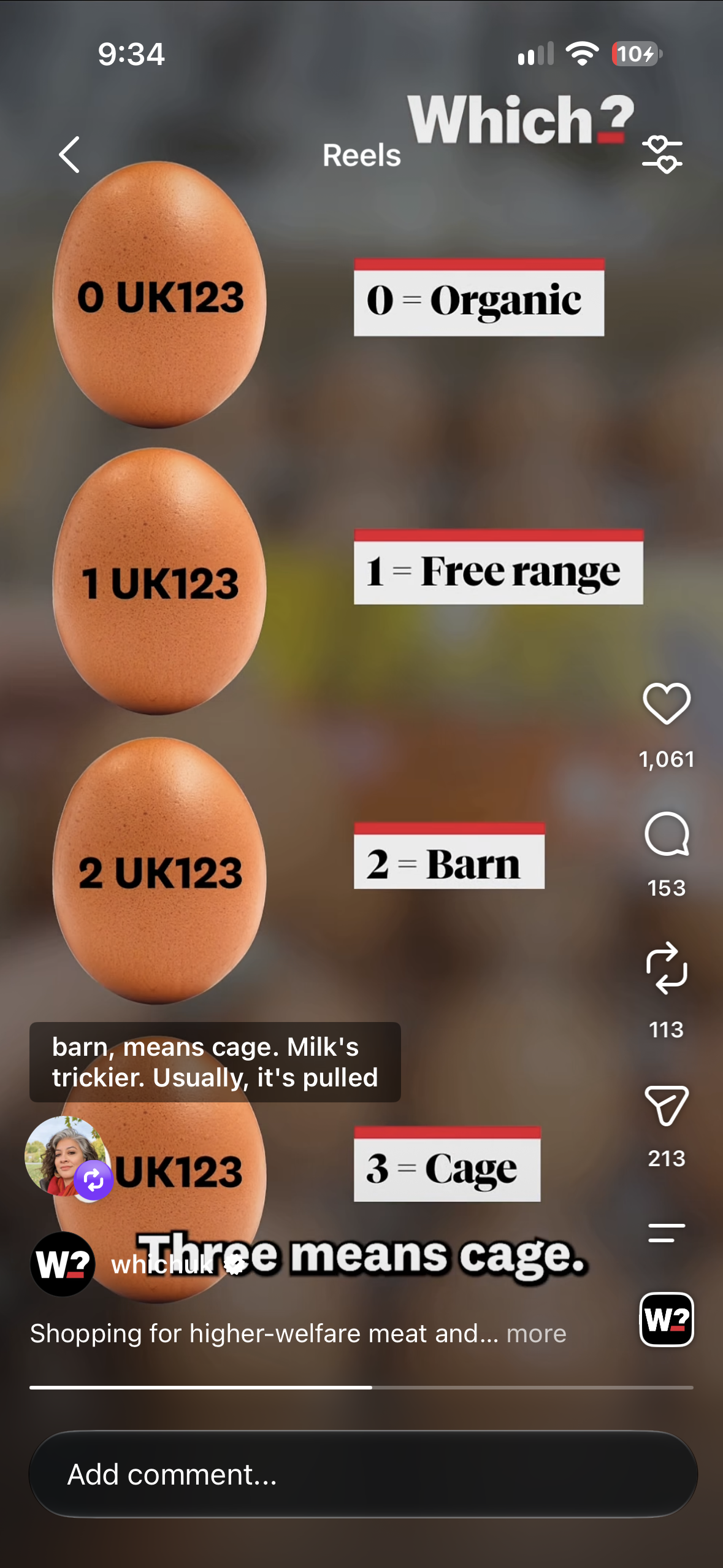
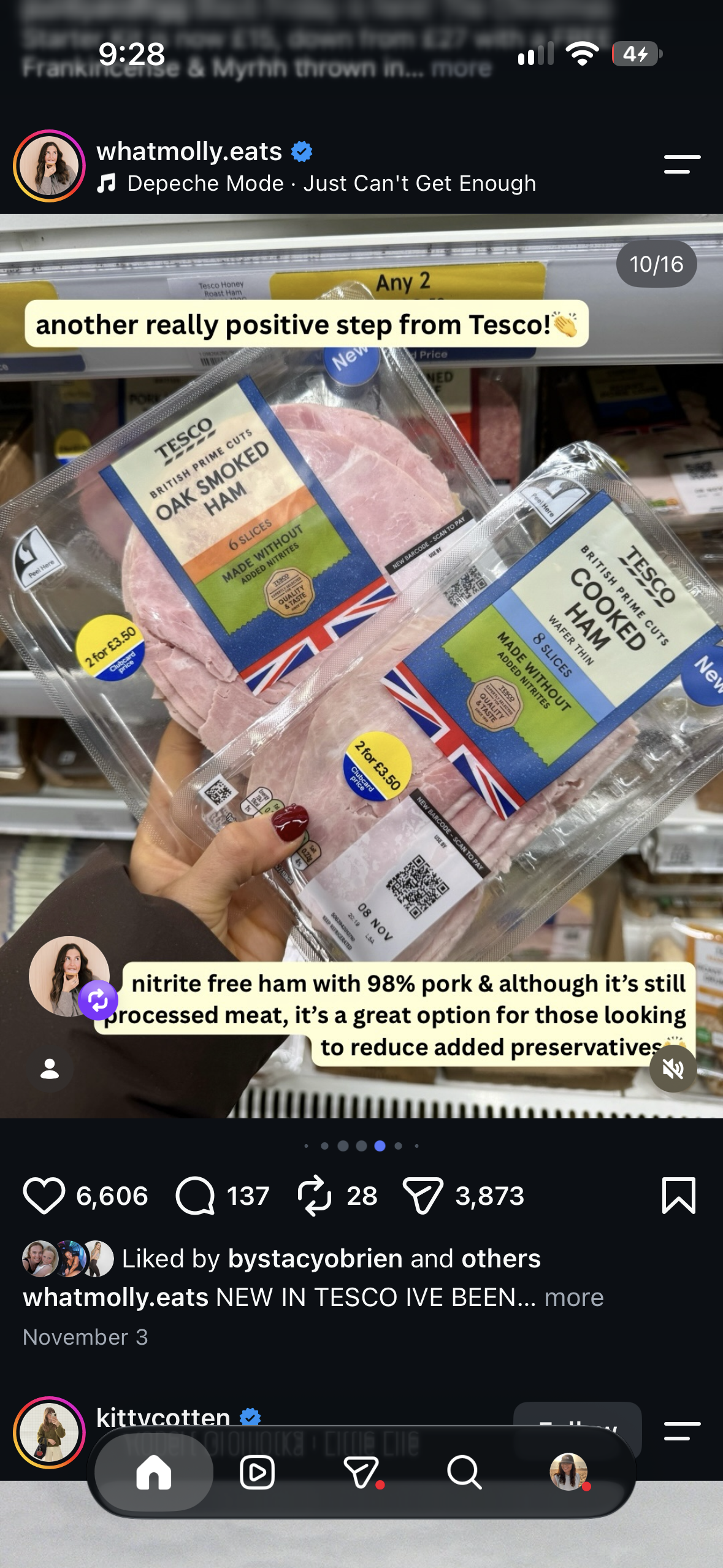
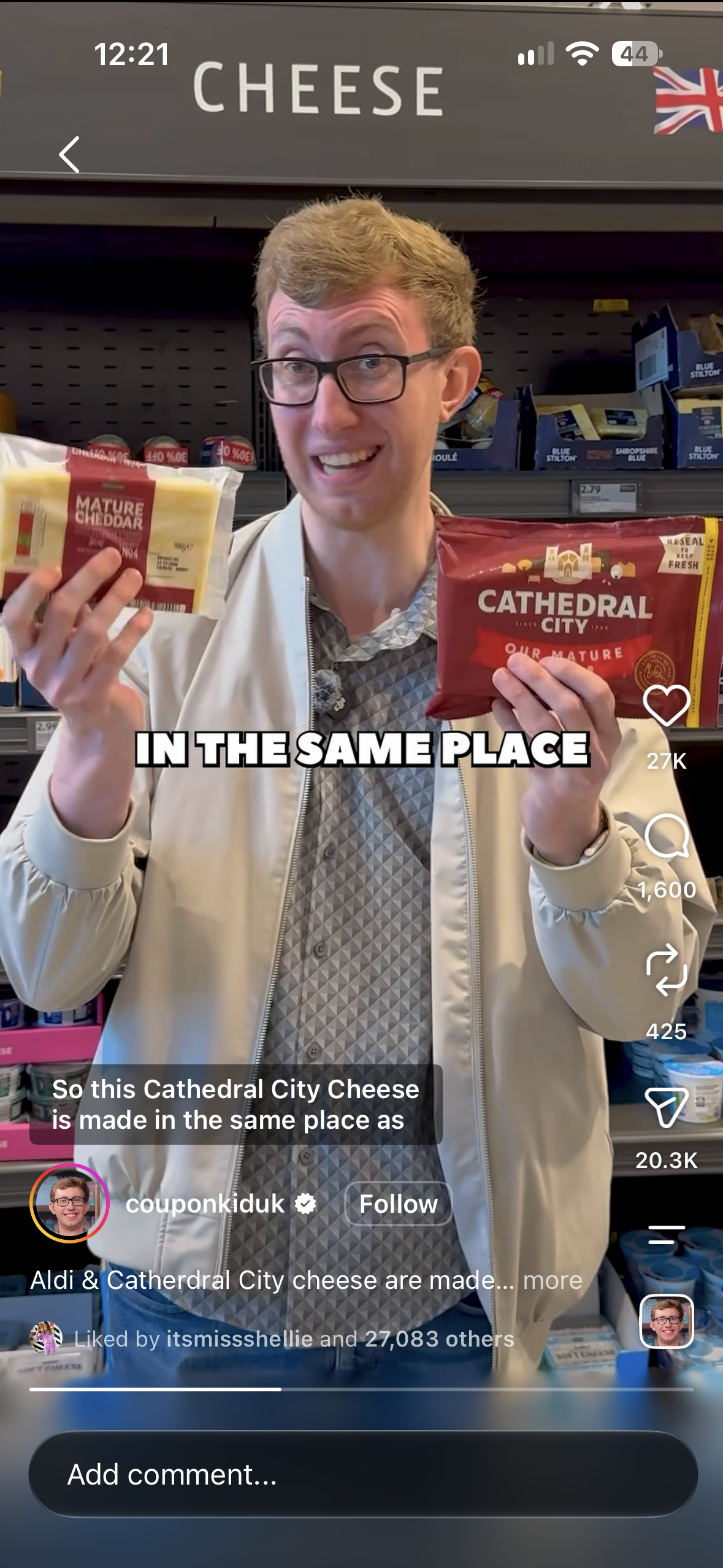
Trust in the label is wearing thin. Creators are explaining welfare claims, organic certification, additives, honey authenticity and what's in the same drink in different countries, and those posts travel. Some accounts now score supermarket products on what's actually in them, and when a brand changes a recipe, creators line up alternatives within days. Retailers are responding with provenance and simpler ingredient stories of their own. The message underneath is simple: people want to know what's really in their food and how it got there. Seen on: @thebasicnutritionist, @science.snitch, @qualitywatchbritain, @coachcooney_.
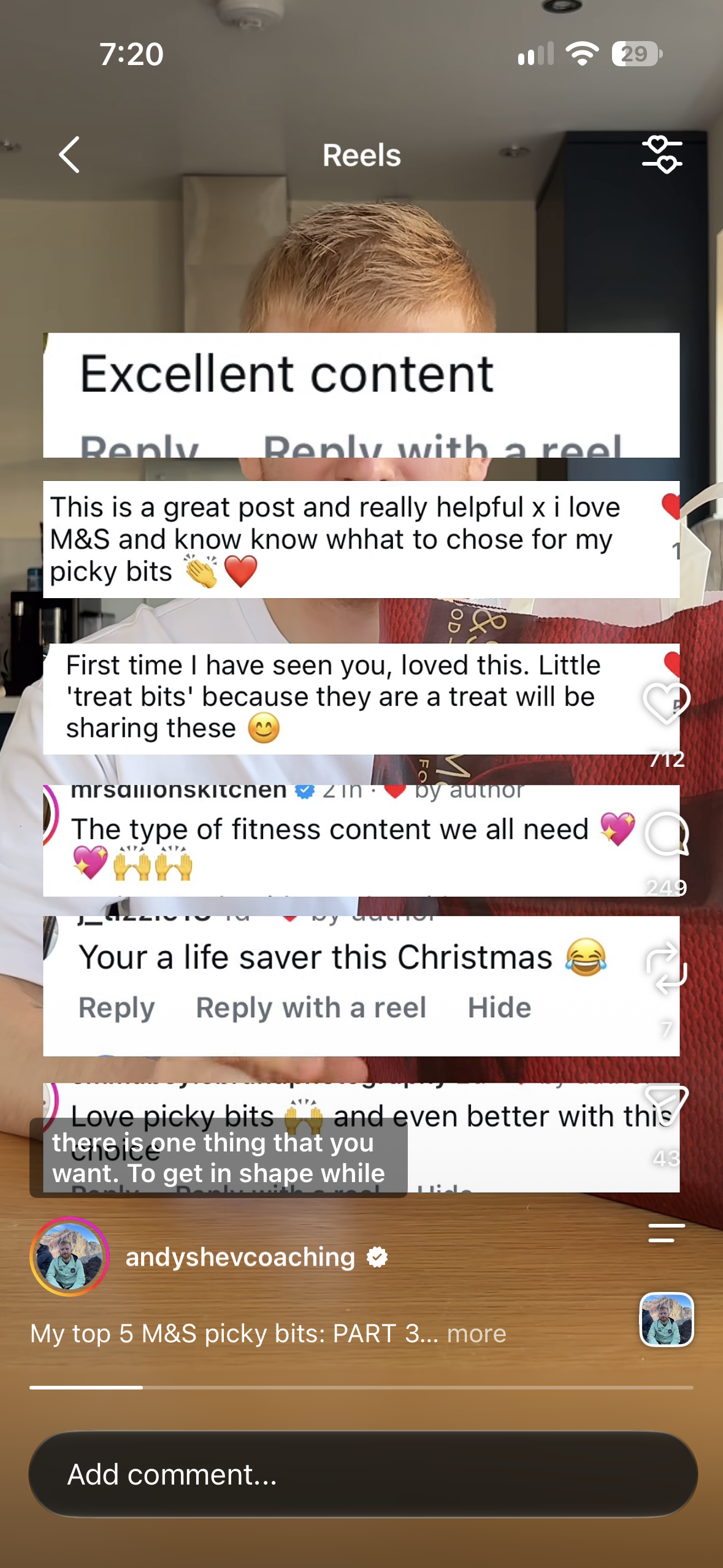
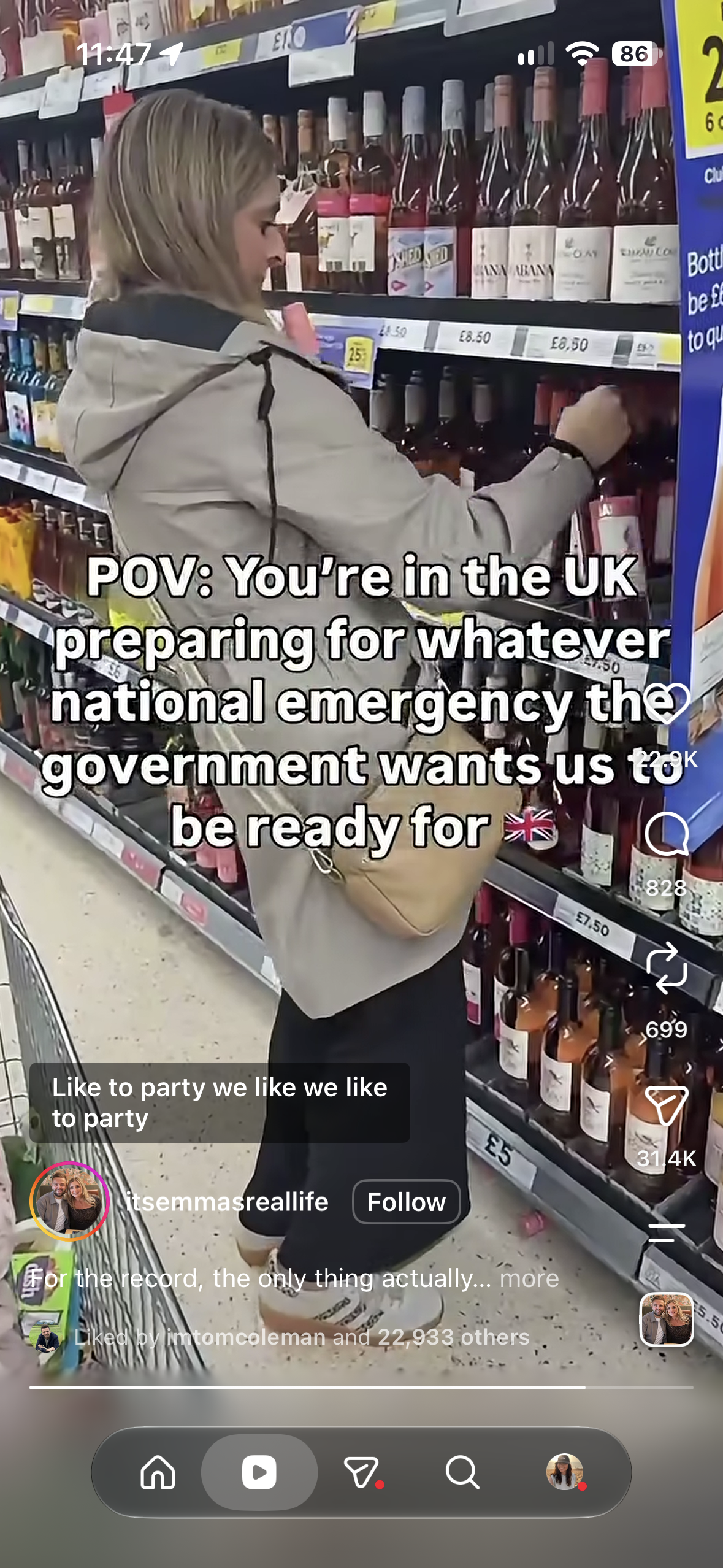
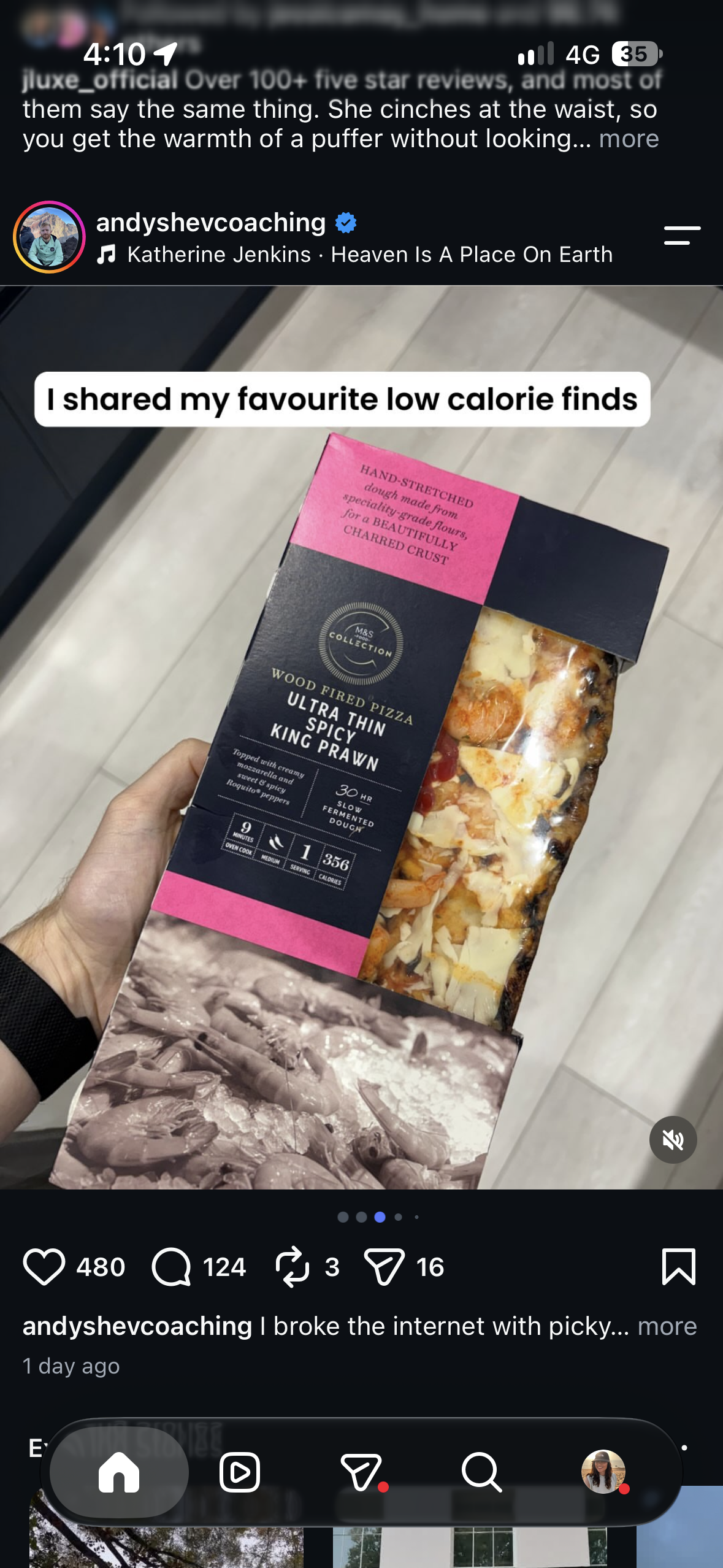
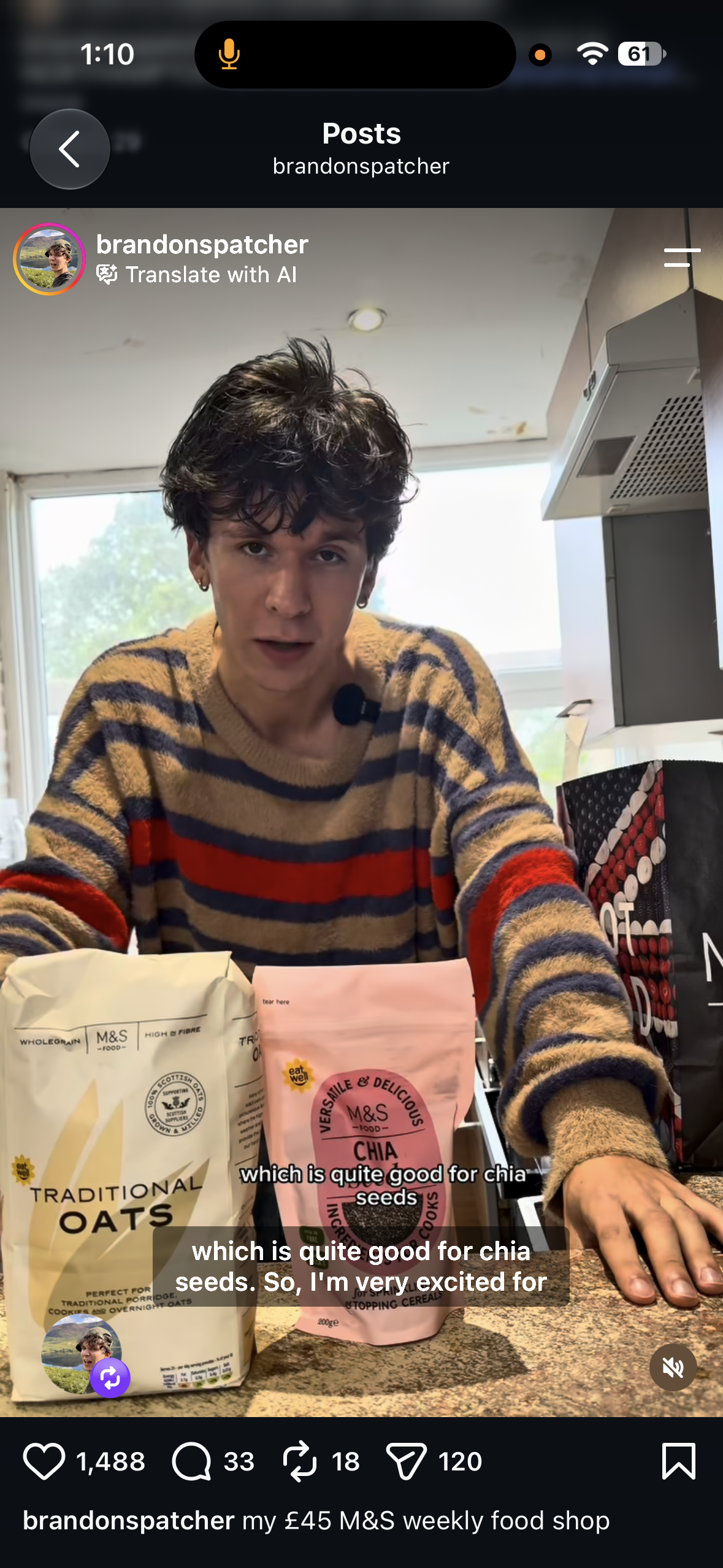
Supermarkets are culture - M&S in particular has become something people make memes about, queue for and talk about like a friend. A chocolate bloomer or a new biscuit can carry a whole week of content, and the weekly shop itself has become a format. Seen on: @lifewithblondie__, @itsemmasreallife, Liam Gleed, @brandonspatcher, @andyshevcoaching.
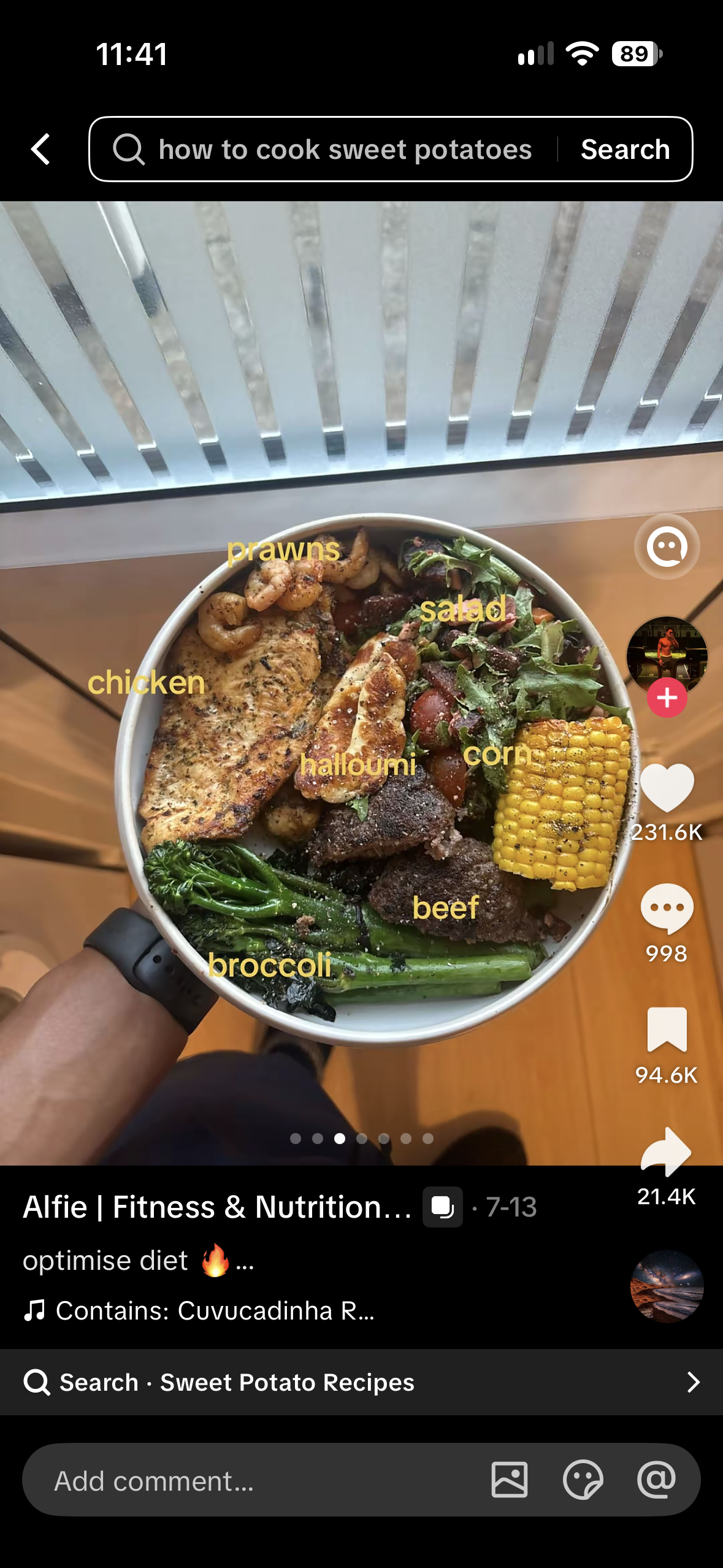
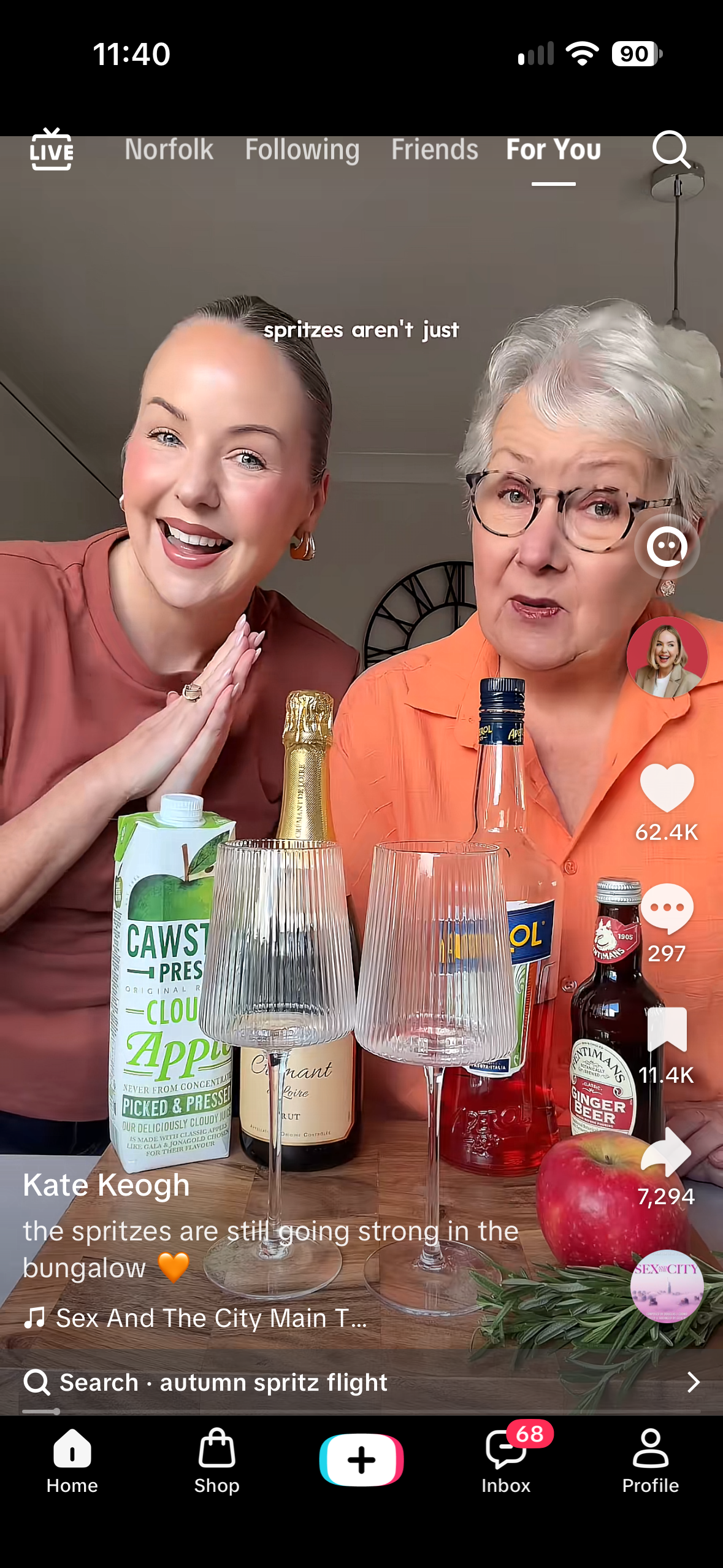
Saves tell you more than likes. A fitness creator's simple protein bowls were saved nearly 95,000 times, and an autumn spritz video more than 11,000. That's intent. People aren't just scrolling past, they're planning what to cook, drink and buy. Seen on: Alfie (Fitness & Nutrition), Kate Keogh.
Behind several of these sits a bigger shift. The protein bowls, the sardine "glow" and the simpler ingredient lists all point to people shopping for outcomes: more energy, better sleep, feeling well. Mintel's experts say that puts food and drink in direct competition with supplements, beauty and tech for the same need. In 2025, 58% of new products claiming stress relief or relaxation came from healthcare brands, against 33% from drinks and just 9% from food. Food's advantage is that eating is non-negotiable, so it has the chance to become the foundation of how people look after themselves, not just one more option.
The one I love: talent attraction
There's an emerging thread in all of this - people inside the industry are starting to show the public what working in food is actually like, and it's working.
It also connects to everything above. The people asking hard questions about welfare, additives and what's really in their food are exactly the people we need inside the industry, fixing it from the inside.
That matters, because one of our biggest long-term concerns isn't simply finding talent today. It's making sure there's talent available tomorrow. The question many employers are now asking is: who will become the next generation of leaders, engineers, technical managers and operations professionals?
The numbers back this up. A third of the UK food workforce is now over 50, up from 22% in 1995, and there are around 22,000 food system vacancies advertised at any one time (IGD, March 2026). On farms, 82% of Arla's dairy farmers with vacancies say very few or no applicants have the right skills (Arla, August 2026).
Part of the problem is perception. Many graduates simply don't realise that modern food manufacturing offers careers in automation, data analytics, continuous improvement, engineering, sustainability, food science, supply chain management and many more areas. And it isn't only manufacturing. Farming and professional kitchens are asking the same question about who comes next. If people can't see it, they won't choose it.
The Food and Drink Federation says project engineers, scientists, lab technologists and plant engineering technicians are among the hardest roles to fill, because recruits often overlook food manufacturing altogether (FDF).
And graduates are only part of the answer. Apprentices, school leavers, career switchers and people moving across from other sectors all need to see themselves here too.
That last group could get much bigger. JP Morgan's chief executive Jamie Dimon has warned of the fallout from AI, saying widespread job losses could spark "civil unrest" unless governments and business support displaced workers. He said retraining, wage support, relocation schemes and even early retirement could be needed to ease the blow. Food has real, skilled jobs going unfilled right now. If people are going to retrain, we want them to see food as somewhere worth retraining for.
The people already showing the way
Some brilliant people are doing this on their own, often from their car between meetings. Two of them work for FFM members, which tells me the talent and the willingness are already inside our community.
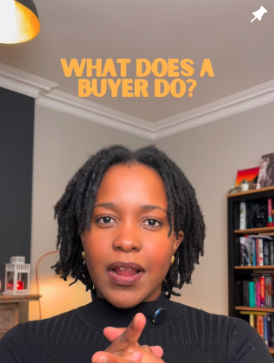
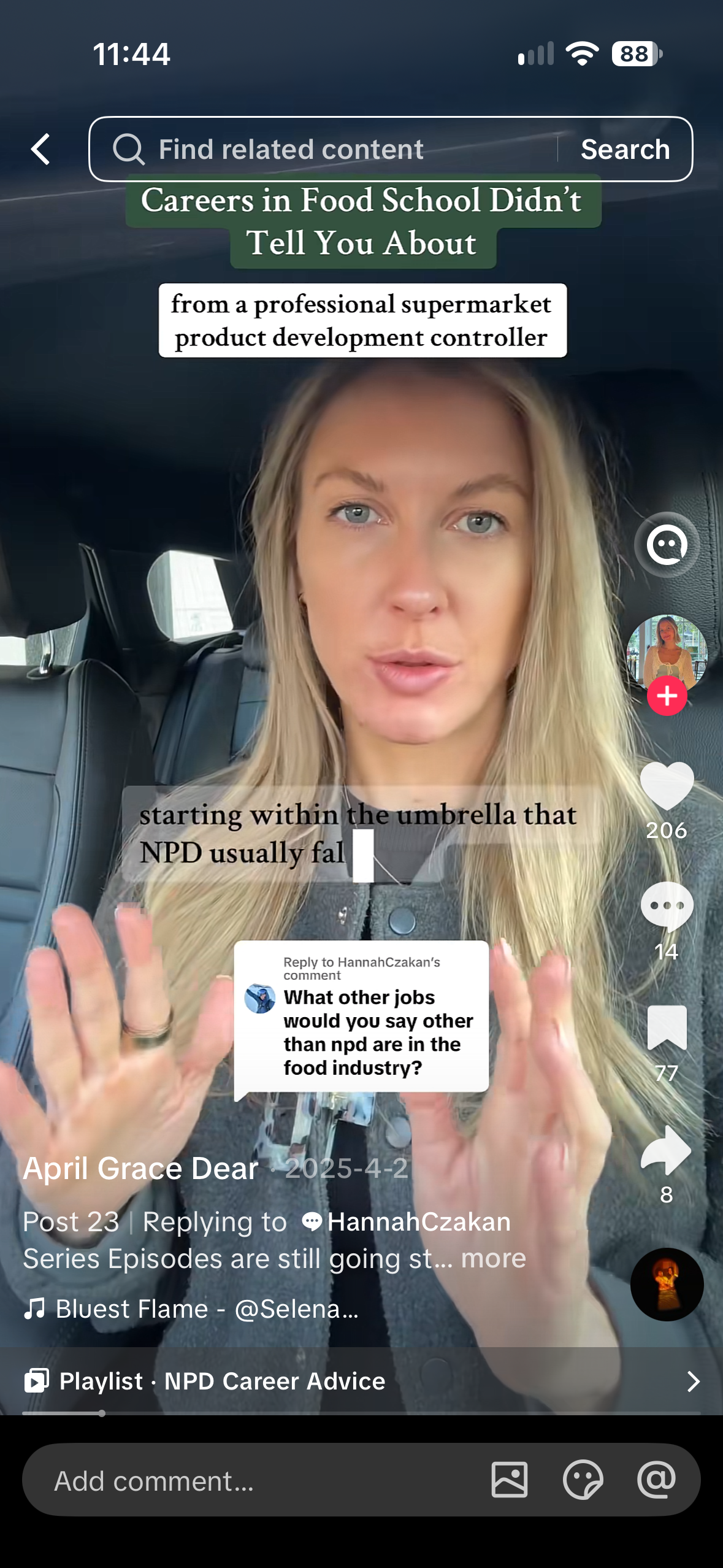
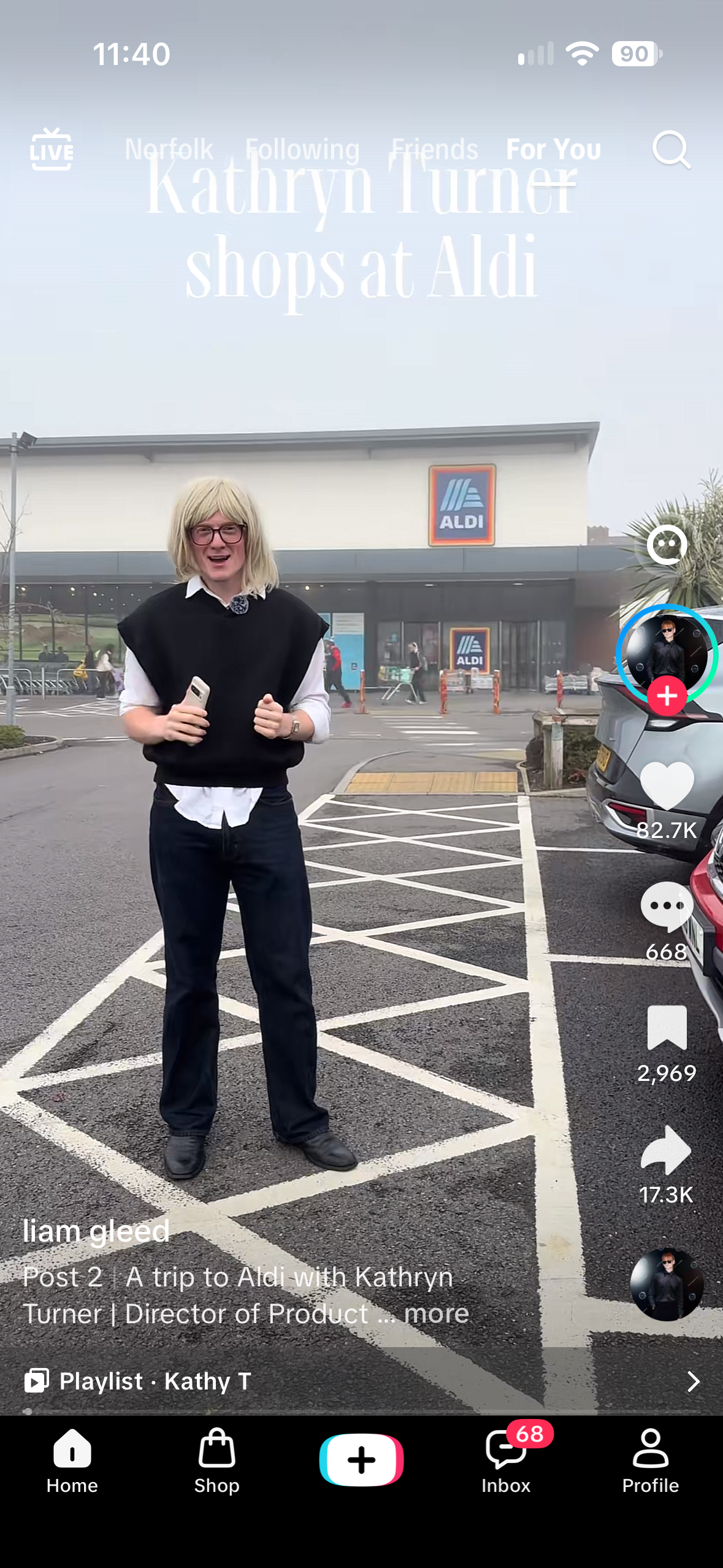
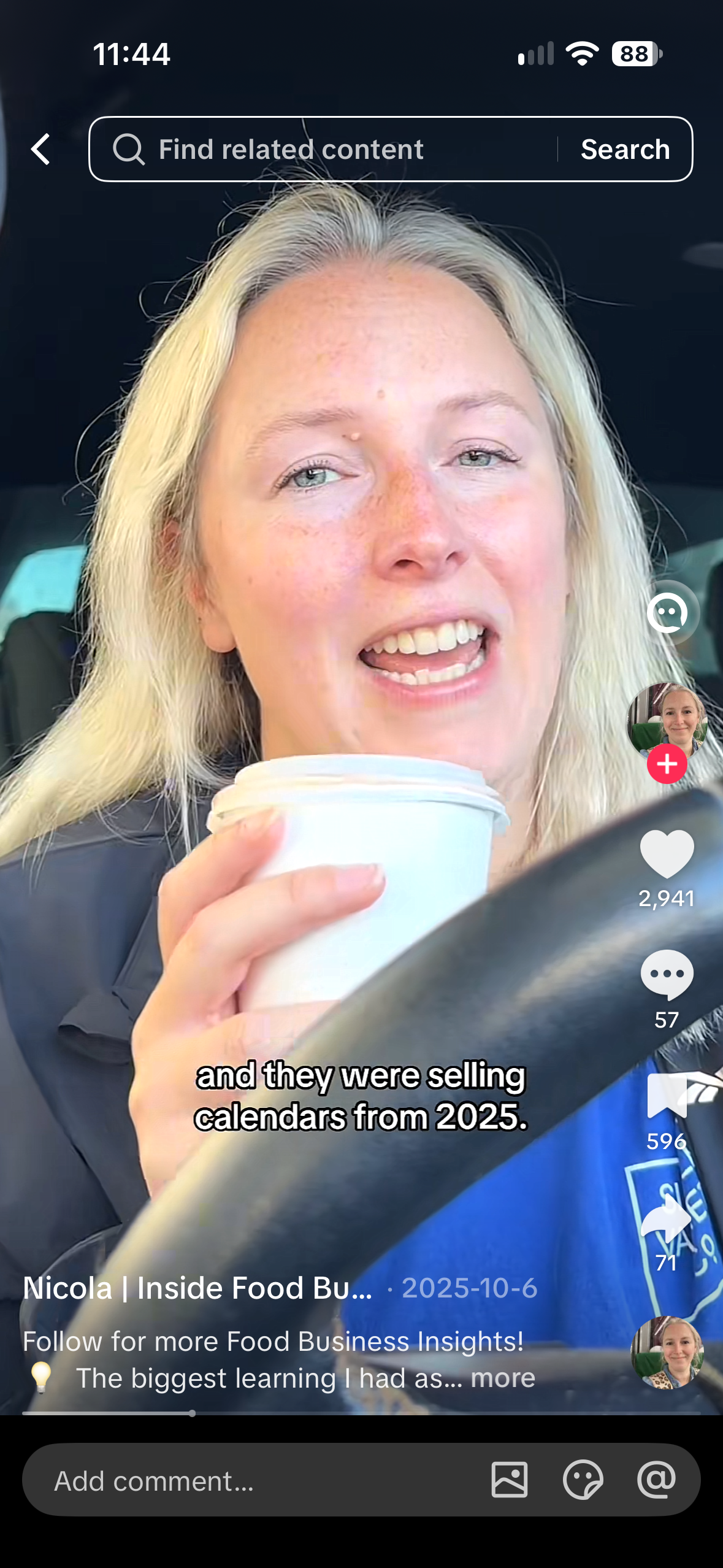
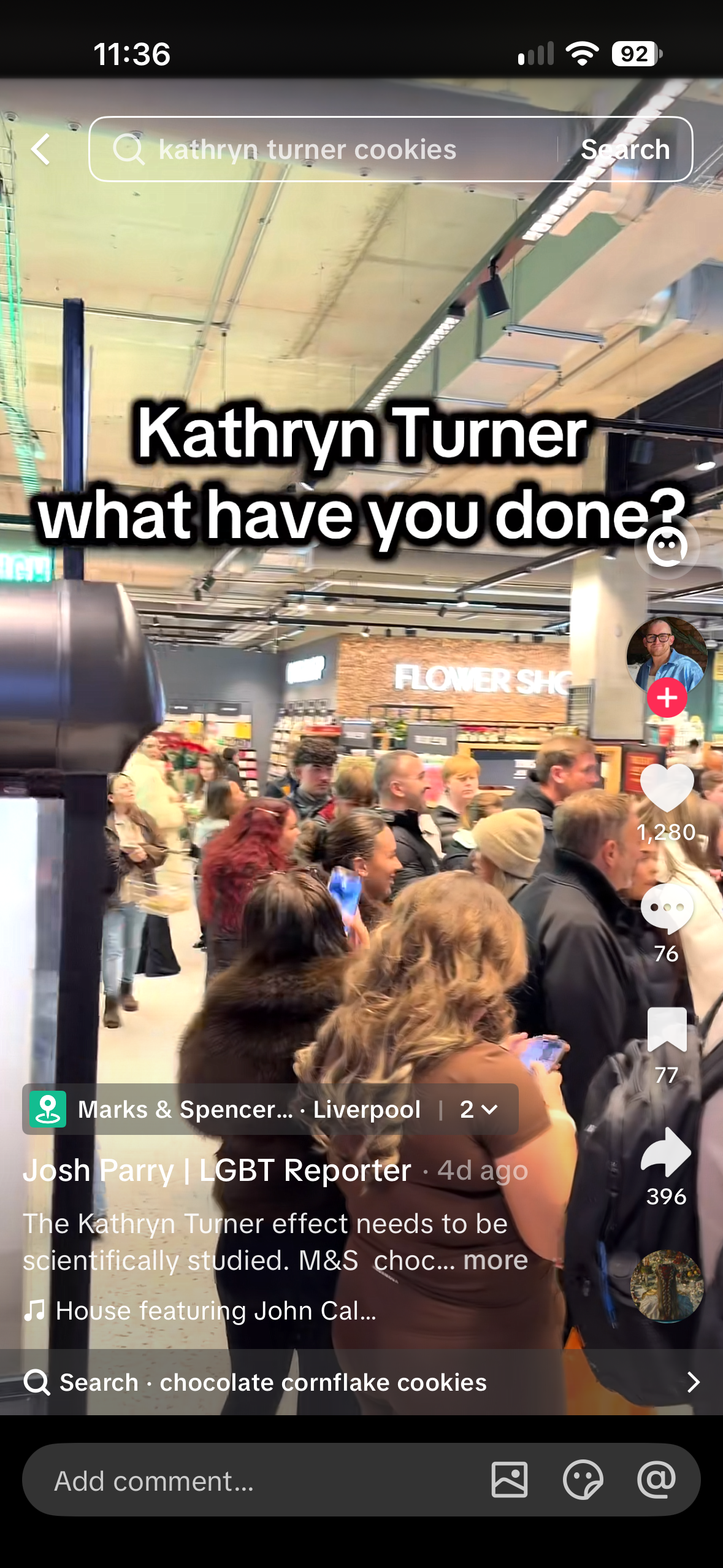
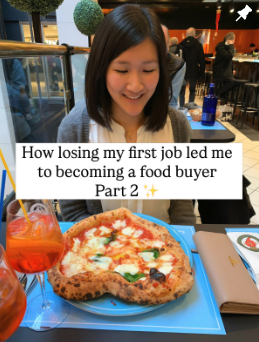
Tendai Mavetera (@tendai_mavetera) is a buyer at one of our top retailer members. Her "what I did today at my cool job" videos make buying feel like what it is: fast, creative and a bit chaotic.
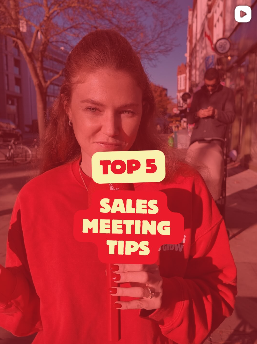
April Grace Dear is Head of NPD & Innovation - Tesco at Cranswick, another FFM member, with a whole series answering one question from her followers: what other jobs are there in food?
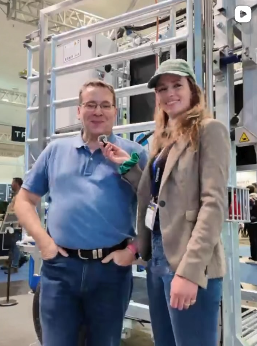
Nicola at Inside Food Business shares honest lessons from a career in the industry, the kind of insight you'd normally only get over a coffee with someone senior.
Buyers, product developers, farmers and founders are explaining how the industry really works, and building loyal audiences doing it.
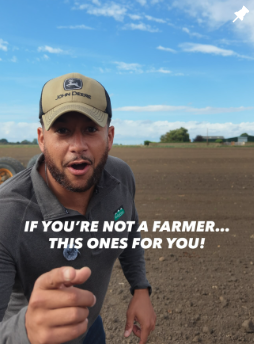
On the farm, Ben Brooke (@farmerbenbrooke) is doing the same for agriculture. A farmer in the Fens, co-founder of We Are Agriculture and part of the Hawkstone Farmers Choir who won Britain's Got Talent this year, he uses his platform to talk straight to people who aren't farmers about what the job really involves. He also brought this to life at a recent Future Food Movement x ITV event.
And then there's what the general UK public started calling ‘the Kathryn Turner effect’. An M&S product development director has become a national treasure. People queue for the products she launches and comedians do impressions of her doing the weekly shop. When the person behind the product becomes the story, people care more about the product and about the job.
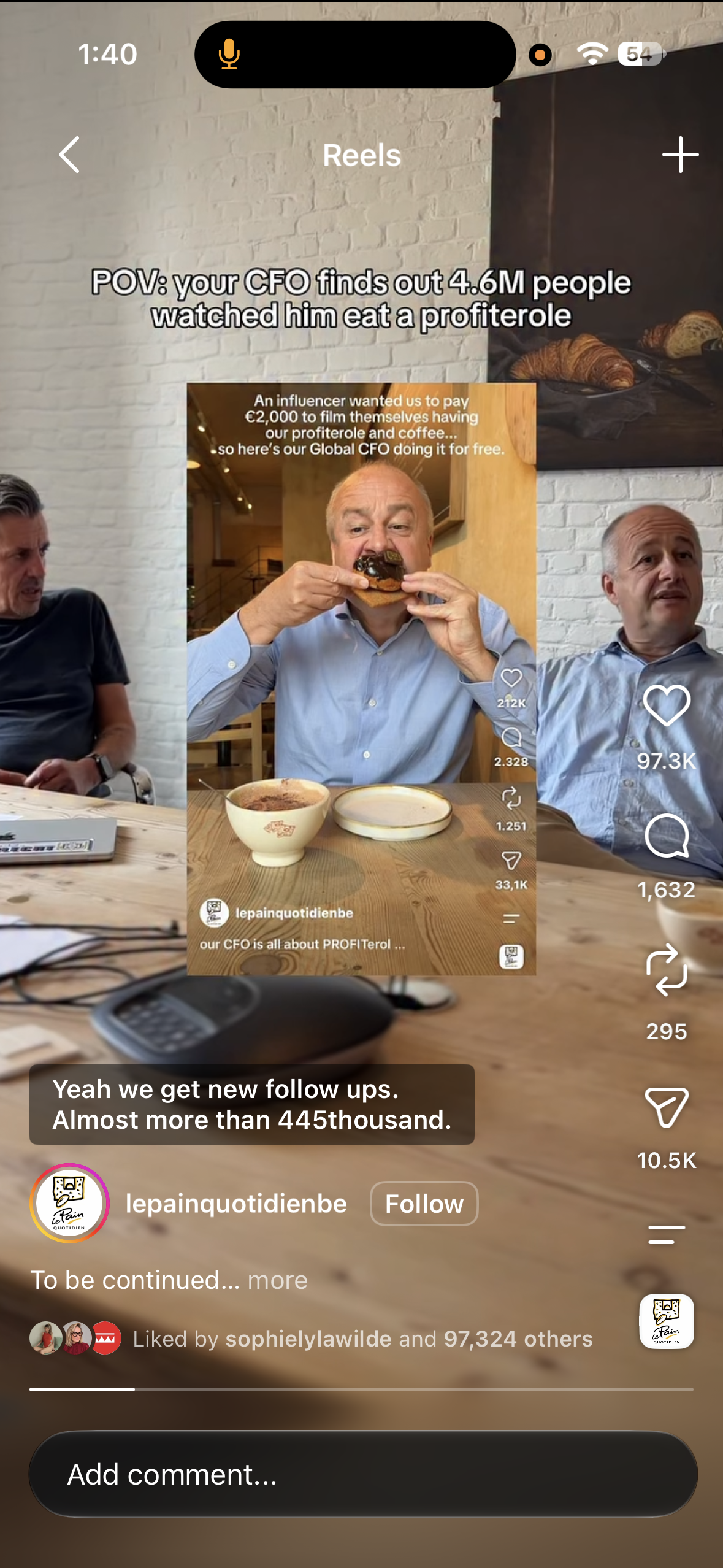
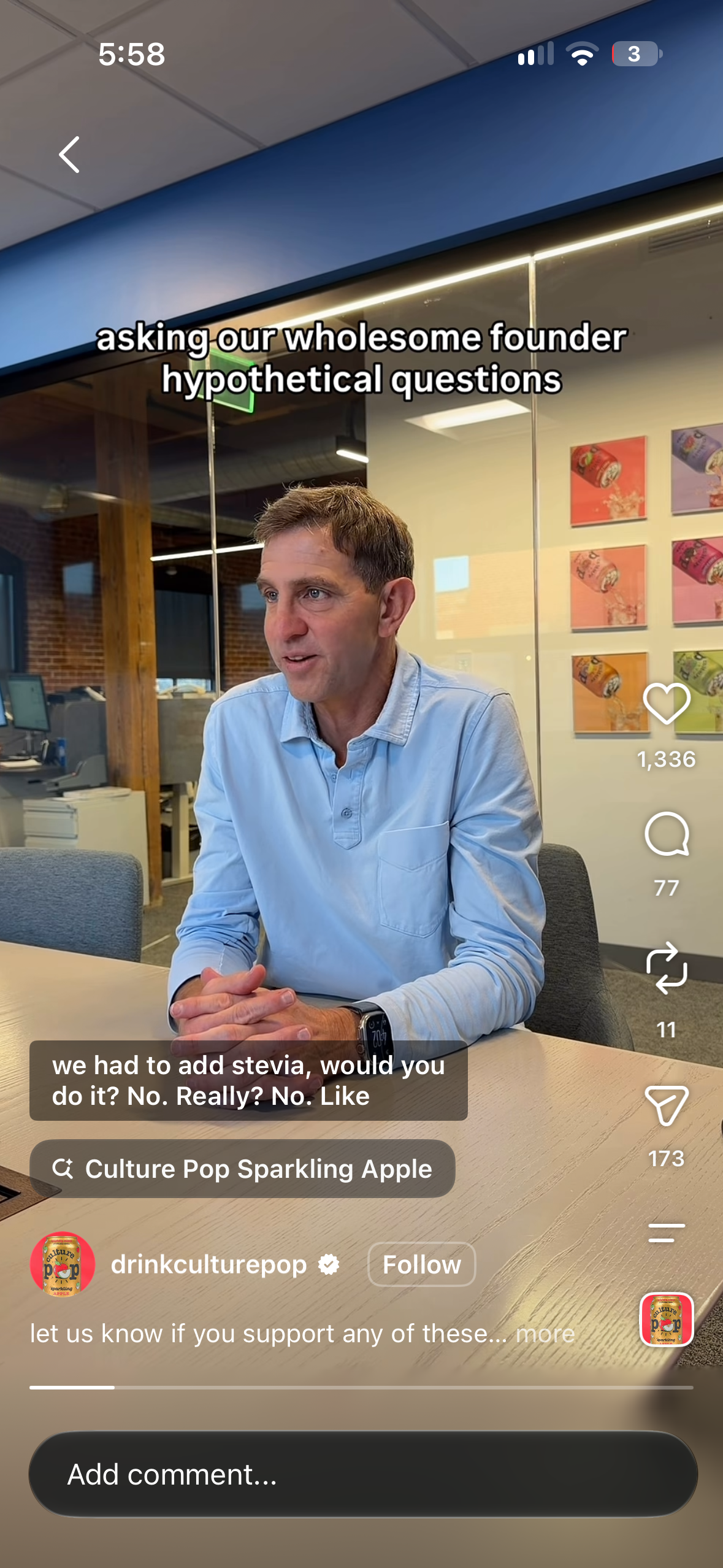
It isn't only product people. In Belgium, Le Pain Quotidien was asked by an influencer for €2,000 to film themselves eating a profiterole, so the team filmed their global CFO doing it for free instead. 4.6 million people watched, and he now meets fans in store. Culture Pop puts its founder in front of the camera answering whatever its followers throw at him. When senior leaders show up on camera, people show up for the brand.
What's missing, and where you come in
Here's the gap. Almost everyone I found works in retail, buying, farming, chefs of course, or product development. How food is made and the brilliant brains behind it is still mostly invisible to the people we need to reach - undertandably because we are so very busy. But those are exactly the roles we most need the next generation to see.
So here's an ask to everyone in the movement. Show your Tuesday.
Post one honest snapshot of your working day. It doesn't need to be polished. A minute on what you're fixing, testing, building or deciding is enough. Tag @futurefoodmovement and we'll share the best ones.
And it doesn’t have to be you on camera. Every business in this movement has people whose work would stop someone mid-scroll: the engineer keeping a line running through the night shift, the technologist who finally cracked a recipe, the apprentice in their first month, the farmer who supplies you. Bring them forward. Give them permission, a bit of time and a phone, and let them tell it their way.
We've got a talent problem in this industry, and a story problem. The people above are proving the second one is fixable. Let's show the next generation what they're missing.