
The real risk from Groundswell 2026 isn't the one everyone's talking about
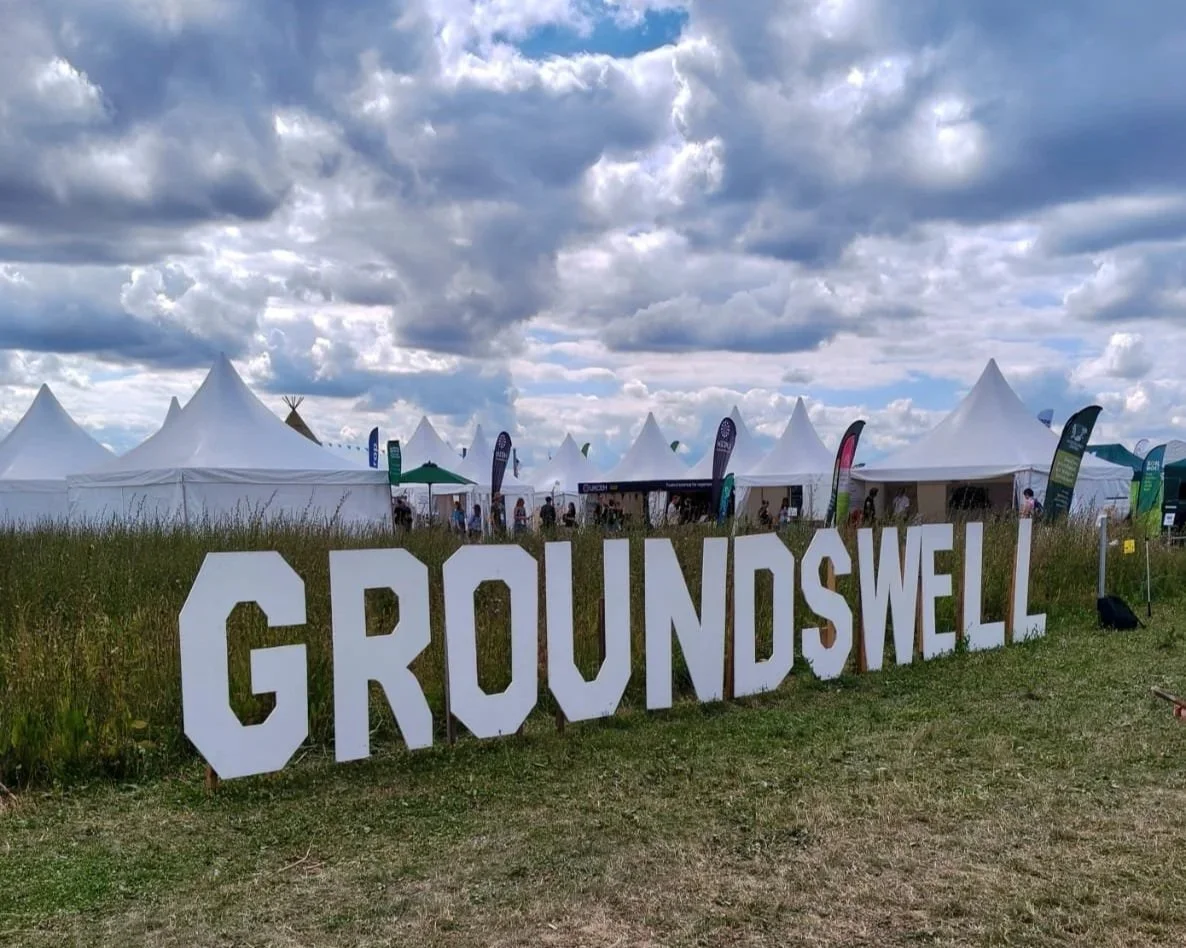
From a food systems & commerciality lens
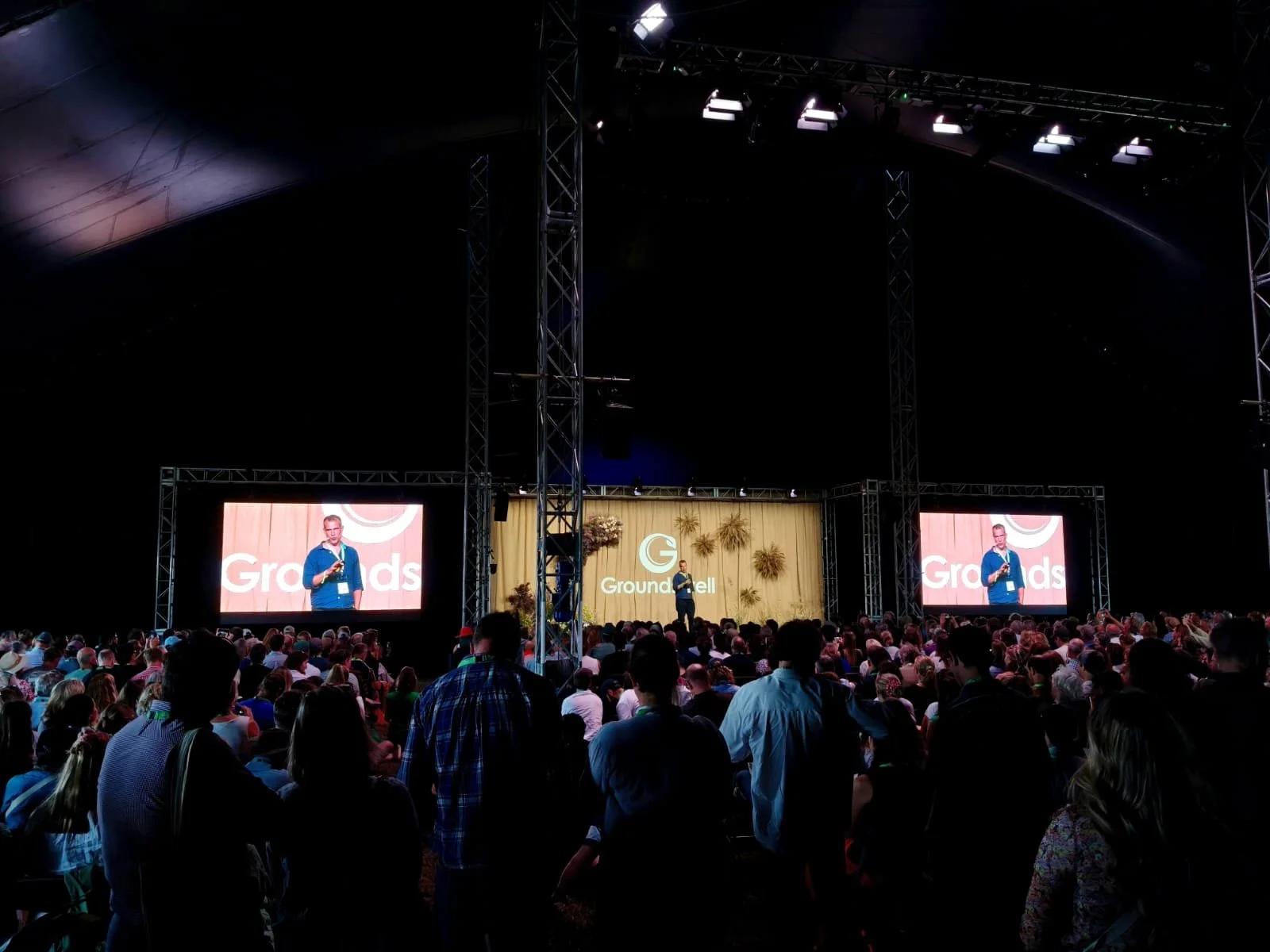
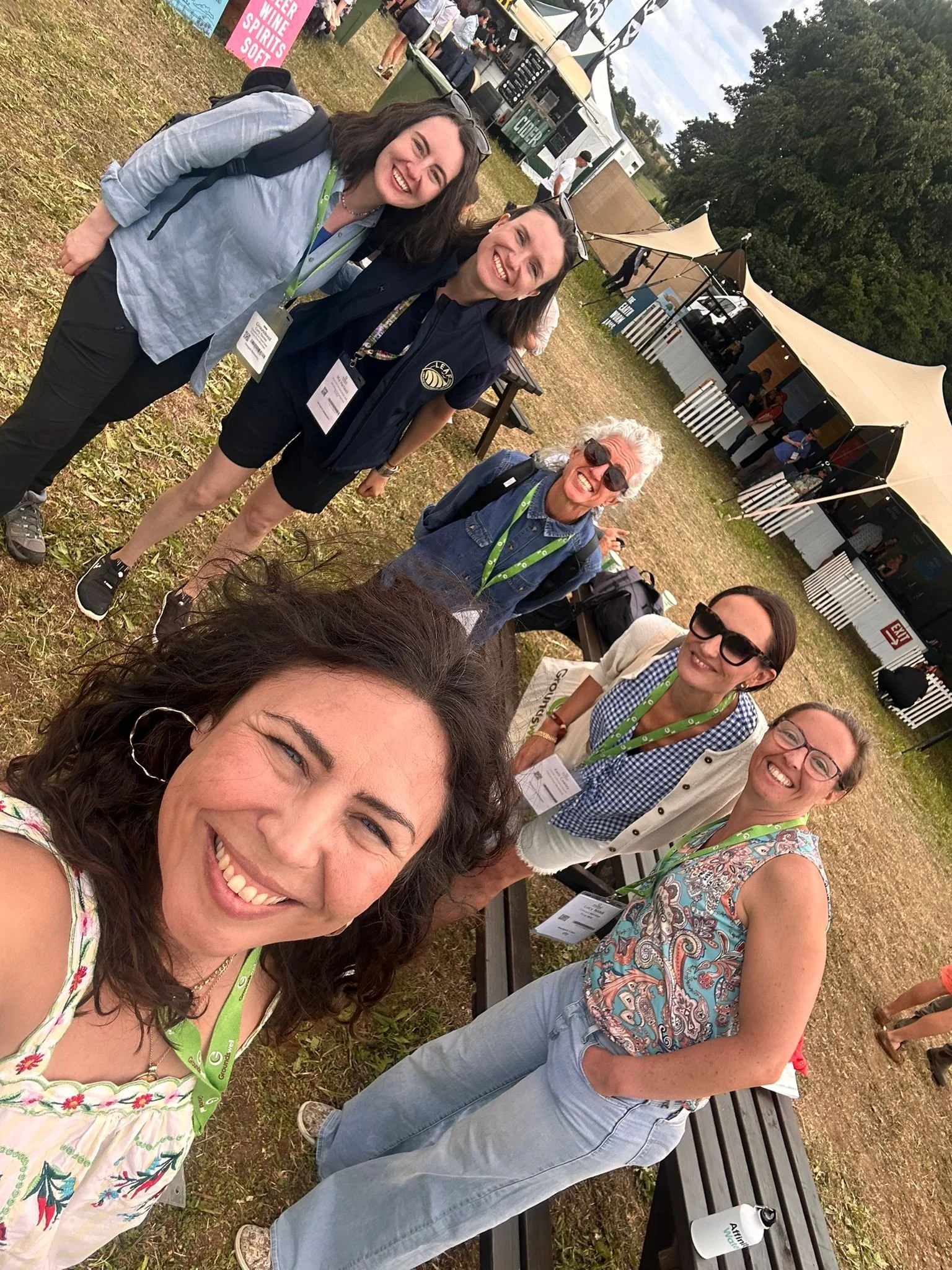
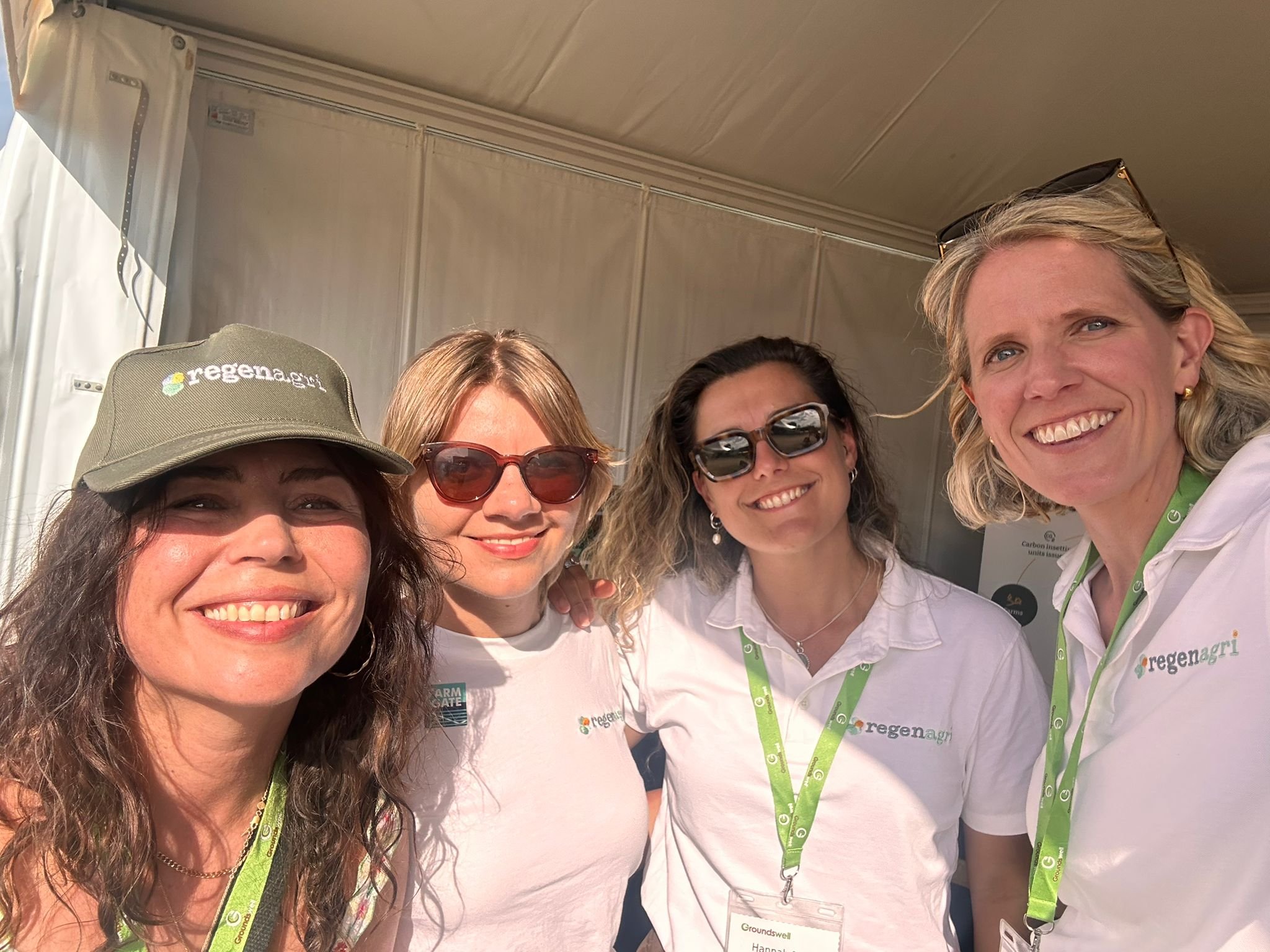
Groundswell does something to us every year that's hard to fully explain. It's not just an event, it's fuel to support the thinking we'll do for the next twelve months. Our founder Kate Cawley, Partnerships & Advocacy Director Emma Victor-Smith and Capability and Impact Lead Carly Davies met people doing genuinely interesting work, learned things that changed how we think, and we were reminded, again, that there really is a growing groundswell or people pushing in this direction (and that matters more than it sounds).
This year's event landed at a hard moment for farming (as we learnt from our farmer-led working group the day before). The blockade of the Strait of Hormuz has pushed fertiliser prices up and locked them there. Combined with low grain prices, that's squeezing margins across the sector and more farmers are at risk of trading at a loss. If extreme weather continues through the rest of the year, food prices will likely follow fertiliser upward. Despite that, many farmers at Groundswell were rethinking their land in real terms, working out how it can do more for nature and climate while building resilience into the business at the same time, not as a side project, as the model.
The Government's Farming Roadmap gives a clearer direction for English farming than it's had in a while. Secretary of State Emma Reynolds has committed to widening access to the Countryside Stewardship Higher Tier scheme, which is a welcome move. But the budget to actually deliver that commitment isn't there yet, and a roadmap without funding behind it is a statement of intent, not a plan.
There was a line in the Groundswell film that should sit on every board agenda this year: the risk isn't in changing how we farm, the risk is in continuing to farm the way we do today. Say that sentence to a commercial director and watch the reaction change. This isn't a sustainability warning. It's a competitiveness one.
Regenerative agriculture has stopped being a niche conversation. What started as a forum for farmers interested in soil health is now a gathering of buyers, financiers, scientists and storytellers, all circling the same question, how does this scale. The ambition on stage this year was one billion hectares globally. That is not a movement anymore. That is a market forming in real time, and the businesses paying attention now are the ones who will own it before it's fully priced.
The cost question finally has a real answer, and it's more manageable than assumed.
For years the honest answer to "what does this cost" has been a shrug. That's changing. Peer reviewed research from the UK Centre for Ecology and Hydrology found that, under full contractor costs, transitioning to regenerative practice genuinely does cost more than conventional farming, and the researchers were upfront about that rather than dressing it up. But Nestle ran its own five-year study across its UK arable farms and found the actual transition cost ranged from £14 to £79 per hectare depending on soil type, with an initial yield dip that recovers over time. When SFI payments are factored in, that transition cost is neutralised almost entirely.
There's also an interesting unanswered question sitting alongside this. The same researcher noted that had his study run through the recent drought years rather than before them, he suspects regenerative systems would have significantly outperformed conventional ones, thanks to better soil structure holding moisture and organic matter. He's honest that the evidence isn't in yet, but the direction of travel is clear. This is no longer a leap of faith. It's a bounded, calculable cost with a funding route that already exists.
Volatility, not virtue, is why the biggest players are already moving.
Nestle's own reasoning for investing in regenerative sourcing has less to do with values and more to do with risk. Cocoa prices have spiked six times over. Coffee has doubled. Managing that kind of volatility, and securing supply at a price and quality that gets products on shelf, is now treated internally as a direct commercial rationale, not a side benefit. The Wildfarmed wheat partnership behind the KitKat brand (51% of the wheat going into 1.5 billion KitKats made annually in York), sits alongside a 22-year relationship supplying dairy farmers in Cumbria and Scotland for the same product line.
The pattern is consistent, long term, properly funded relationships are what keep supply secure when global commodity markets swing hard, and the businesses building those relationships now are the ones who won't be caught exposed when the next swing hits.
Measurement is no longer a UK only opportunity, it's becoming a global standard, and the door is still open.
The Sustainable Agriculture Initiative Platform (The SAI Platform) has just launched something called the Regenerating Together standard, with over 144 major food and agriculture companies aligning behind a shared definition of what regenerative farming actually means. This matters because it removes one of the biggest blockers to scale: without a shared standard, every buyer defines regenerative differently, farmers get asked for different things by every customer and nobody trusts anyone else's claims. A standard this broadly backed changes that. It also means the UK's opportunity to lead on food quality measurement, through work already underway at Edacious and the Periodic Table of Food Initiative, now sits inside a much bigger global movement rather than a standalone bet. Getting genuinely fluent in this standard now, before it hardens into the default everyone has to comply with, is a real competitive advantage while it's still forming.
Health is quietly becoming agriculture's biggest commercial argument, and the science increasingly links soil directly to human health.
Listening to Dr Chris van Tulleken talk about ultra processed food, the conversation moved past debating fat, sugar and salt toward something bigger, what if agriculture's real health impact isn't a tomato with more lycopene, but a change in what enters the food system in the first place.
That question has a biological answer forming already. Hearing a dream-team combination of Tim Parton (soil health) and Lucy Williamson (gut health), inflammation sits at the root of most chronic conditions, and gut microbiome diversity is what helps regulate it. Globally, the loss of that diversity tracks closely with the rise of ultra processed food. The same principle holds in the soil, where fungal networks built through undisturbed, biologically active farming hold nutrition together for decades, and are destroyed almost instantly by heavy disturbance.
Push the health argument far enough upstream and agriculture starts to look like health infrastructure, not food production. The businesses who understand that shift first will be the ones shaping how it gets sold.
Data only matters when it creates value, and most of it currently doesn't.
That was the blunt takeaway from the Root and Reason session on aligning farm reality with supply chain needs. Farmers are being asked for more information than ever, and unless it comes back as useful insight, better decisions or fair payment, businesses are just creating extra work while calling it progress. We heard a farmer who is running regular sap analysis on his crops through the growing season, calling it the plant equivalent of a blood test. It tells him exactly what the soil is lacking and lets him respond in real time, rather than guessing. That's the model. Data used this way isn't a compliance exercise, it's a genuine performance tool, and the businesses who get fluent in reading it will make sharper sourcing and pricing decisions than those still treating it as a reporting burden.
None of this needs sustainability language to matter to a board.
It needs businesses, investors and consumers who understand what they're looking at, because that understanding is what turns a good model into a scaled one. The transition cost is now known and largely fundable. The commercial rationale is volatility management. And the standard that will govern this space globally is being written right now, with UK expertise well placed to shape it.
The advantage goes to whoever partners with farmers early, not whoever reacts fastest when the evidence catches up with them.
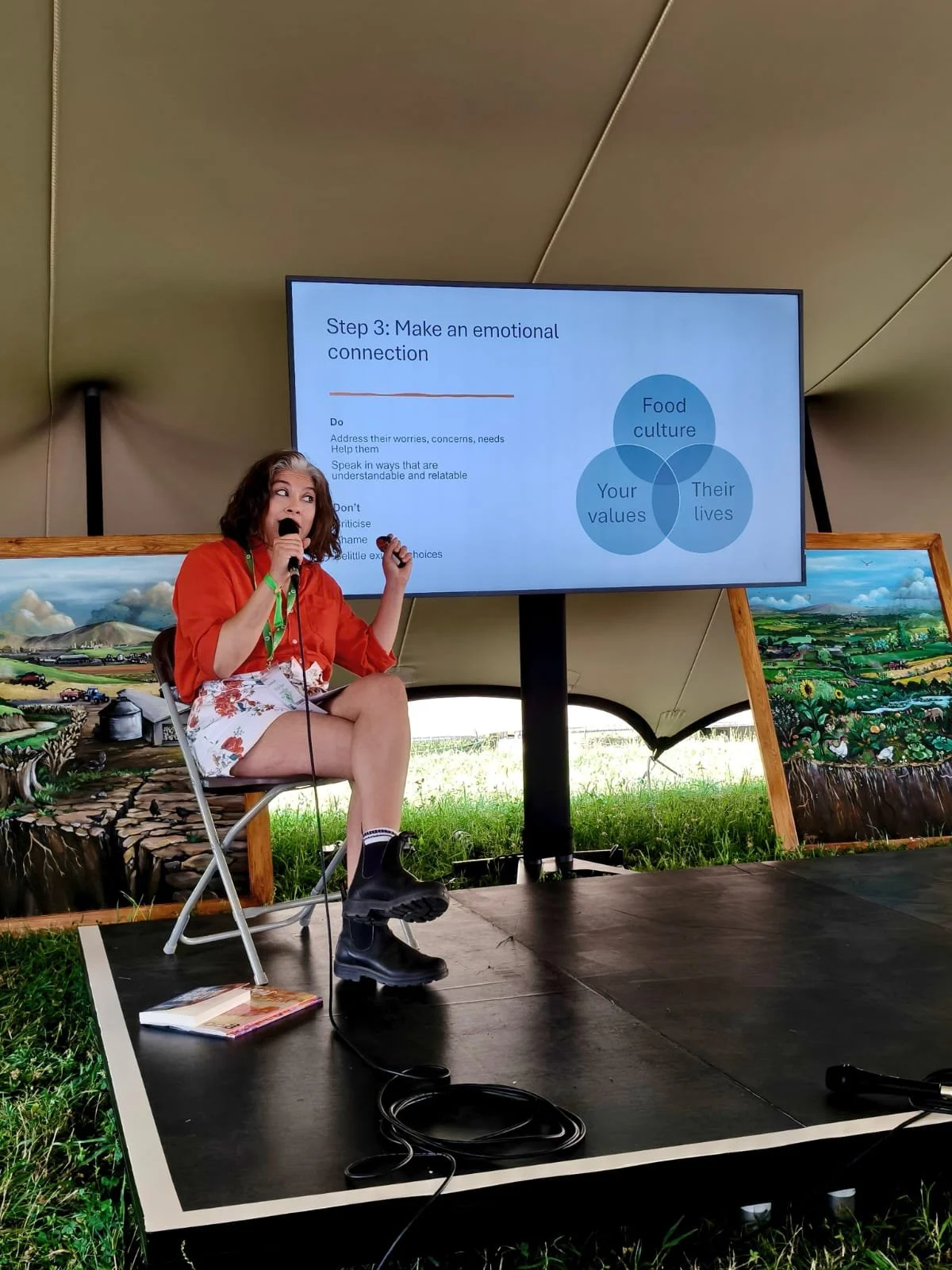
Great to see Future Food Movement members and speakers Tim Parton (Green Farm Collective), Ben Williams (Leprino Foods), Jon Myhill, Flavian Obiero, Emily Norton, Sophie Gregory, Mallika Basu, Sam Thompson, Antony Yousefian, Ed Horton and Fergus Lyon on stage leading these exact conversations.
And to see more people in this incredible movement in the field Chris Manley (Traction), Charlie Curtis (British Sugar), Mia Hartwell (Leaf), Rory Davidson (Klim), Caroline Mason (Seeds to Thrive), Tom Cannon (buy his cherries here), Chris Woodhead, Becca Hesketh (visit when you travel to Isle of Wight), Gemma Chapple (Pepsico), Nina Fischer-Yargici (Cool Farm), Lucy Noad (Woodhouse Farm Regen Dairy), Lucy Williamson, Douglas Bowden-Smith (Scottish Agricultural Organisation Society), Lindsey Crompton (Regenagri), Mark Brooking and Fiona Roberts (First Milk), Jenny Jeffries, Tom Stevens, Mark Means and Phil Gibson (Twig) there too.
What can you do?
Farmers
Got something to say? We're listening.
Join the Farmer-led Working Group and put your reality in front of the businesses making the decisions.
Businesses
Stop guessing what regen means, learn it with Future Food Movement.
One masterclass. Real farmer voices. Everything your team needs to buy, sell and talk regen with confidence.
Find out more or email us to book
Lunch and learn
45 minutes. Zero fluff. Grab your team, grab lunch, get sharp on what's actually happening in regenerative supply chains.
Find out more or email us to book
Boards
Your board doesn't have until 2030. Five harvests left. Get your board and senior leaders in the room now, before the decisions get made without them.
Find out more or email us to book
Anyone working in food who wants to support
Ready to stop talking and start doing? The Accelerator gets you from good intentions to a working plan. Spaces are limited.
General
Not yet a member? This moves fast. Don't watch from the sidelines. Join Future Food Movement and get in the room where this is actually being figured out.
Further Groundswell reading from our members:
The Donkey, the Hat, and the Harm: Missing the bigger picture by Theeb Partheeban
More Groundswell views from Foodsteps
Waitrose, Wildfarmed & Yeo Valley launch Centre for Dynamic Soils.
Lloyds Banking Group and Wildfarmed launch the 'Food & Nature Resilience Fund'
Intelligent Farming: Regenerative Change, How To and Why You Should, Tim Parton
Soil to Gut, how to regenerate your health with food, by Lucy Williamson