The Risk Has Moved Closer to Home
Reflections from the Future Food Movement x Mitie x Climate X Leaders' Briefing, June 2026
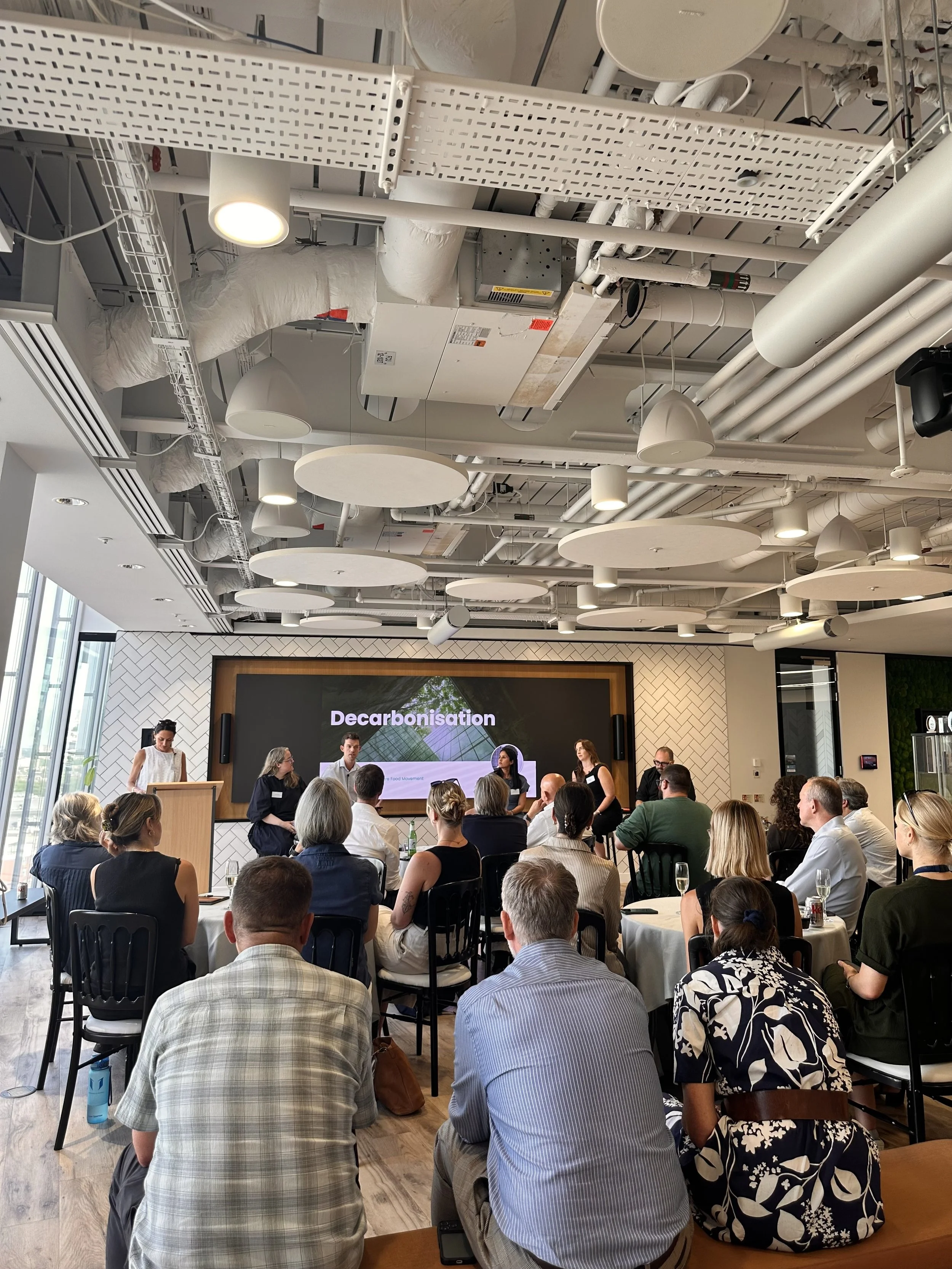
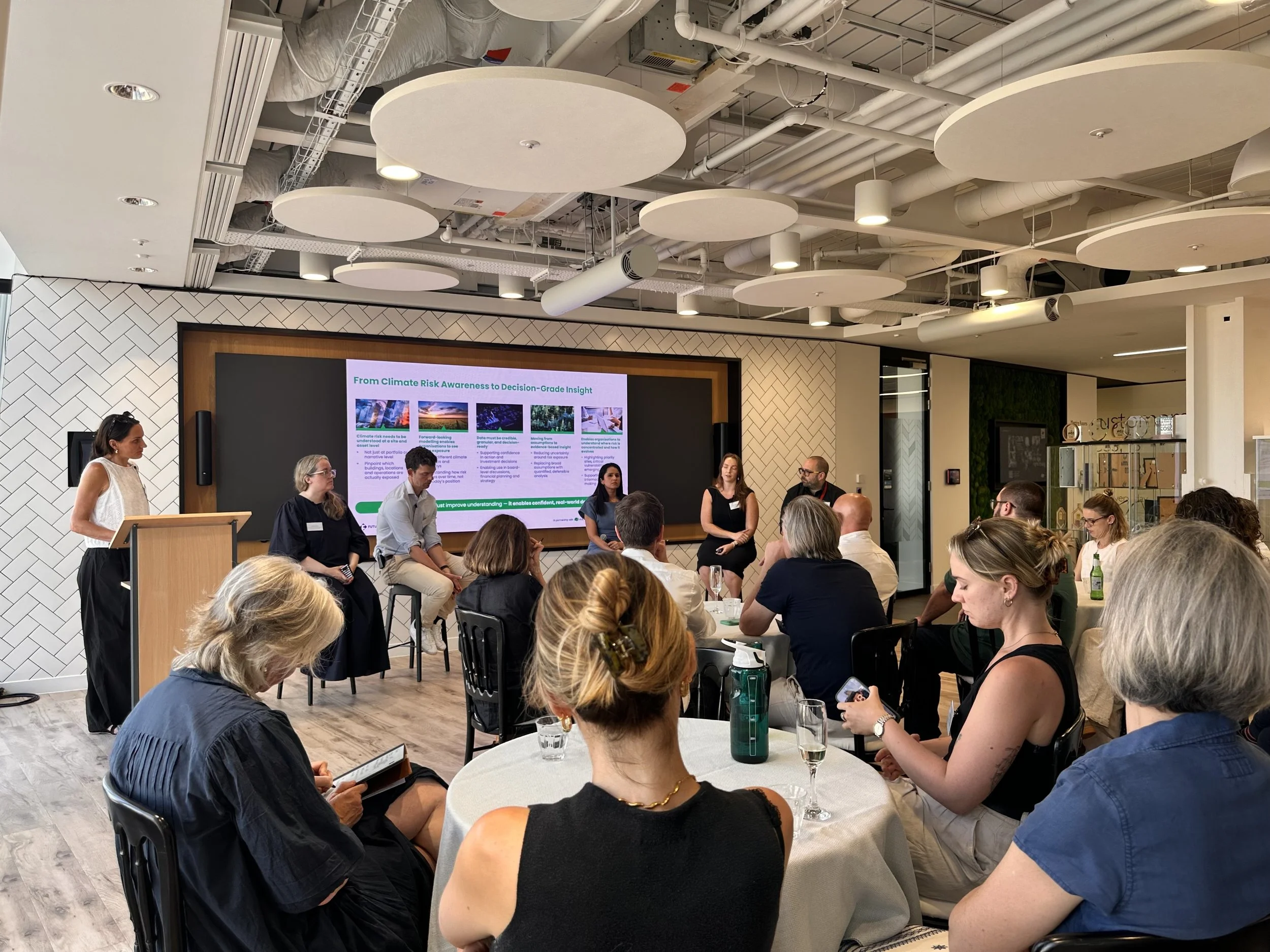
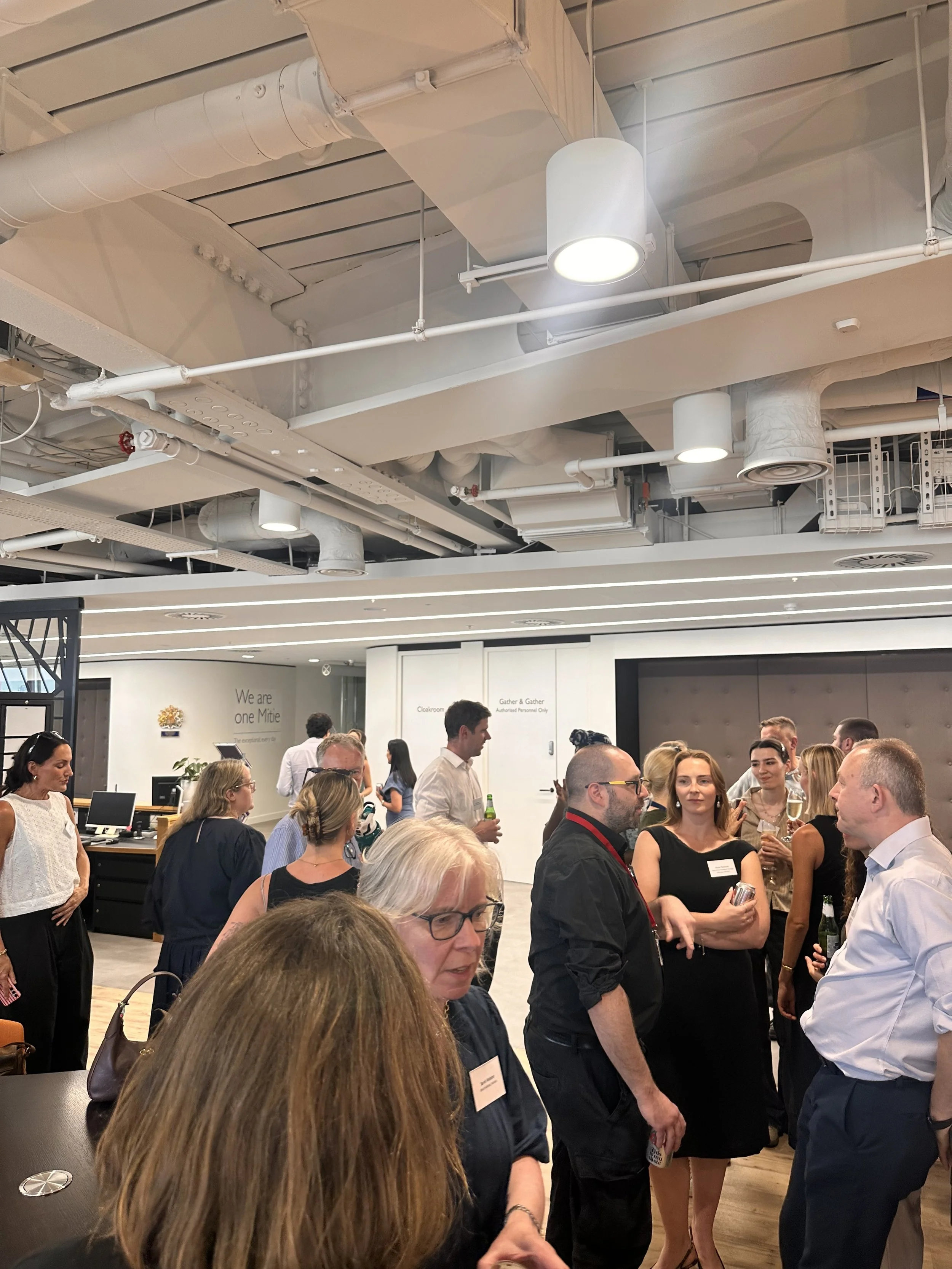
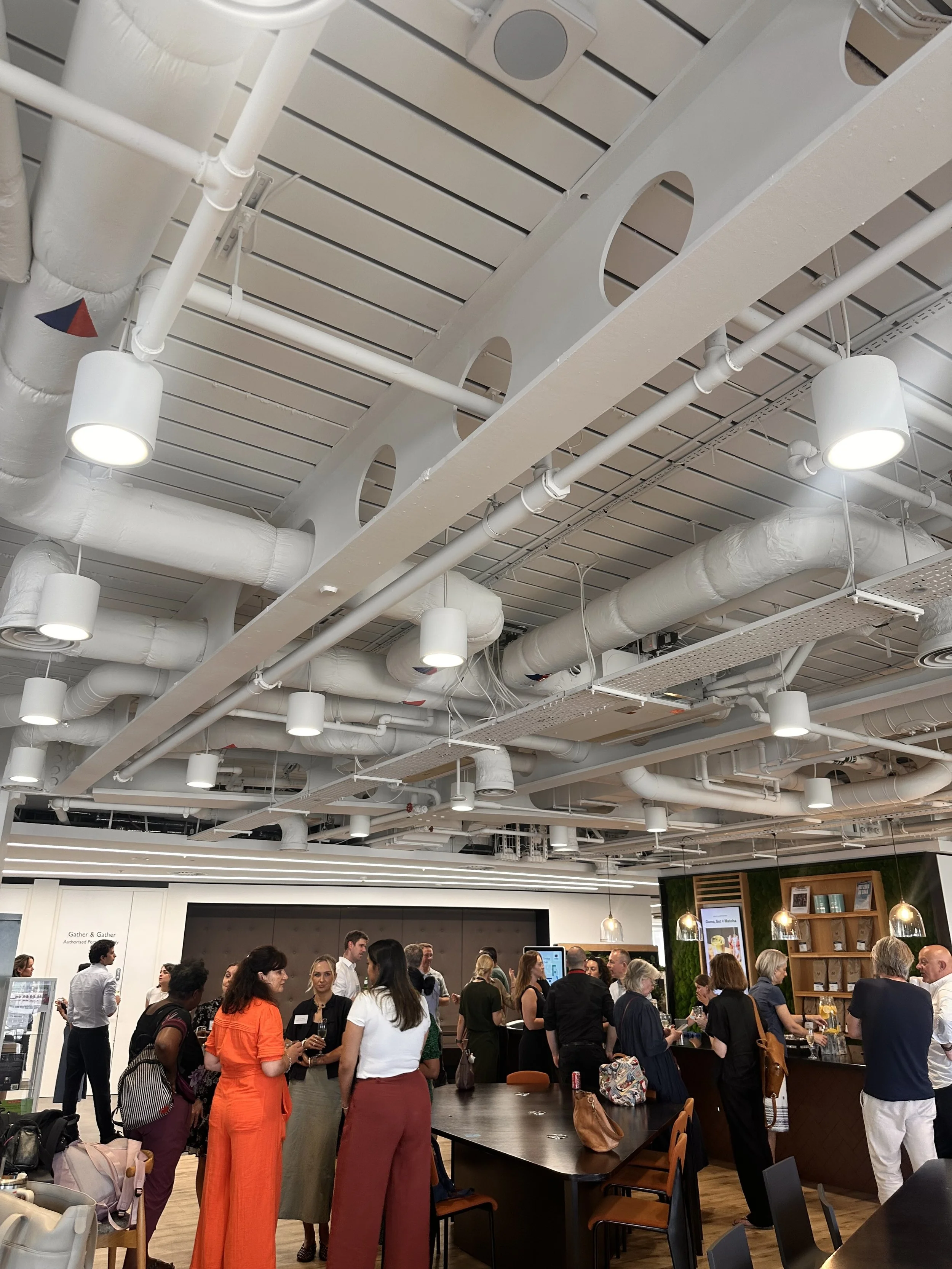
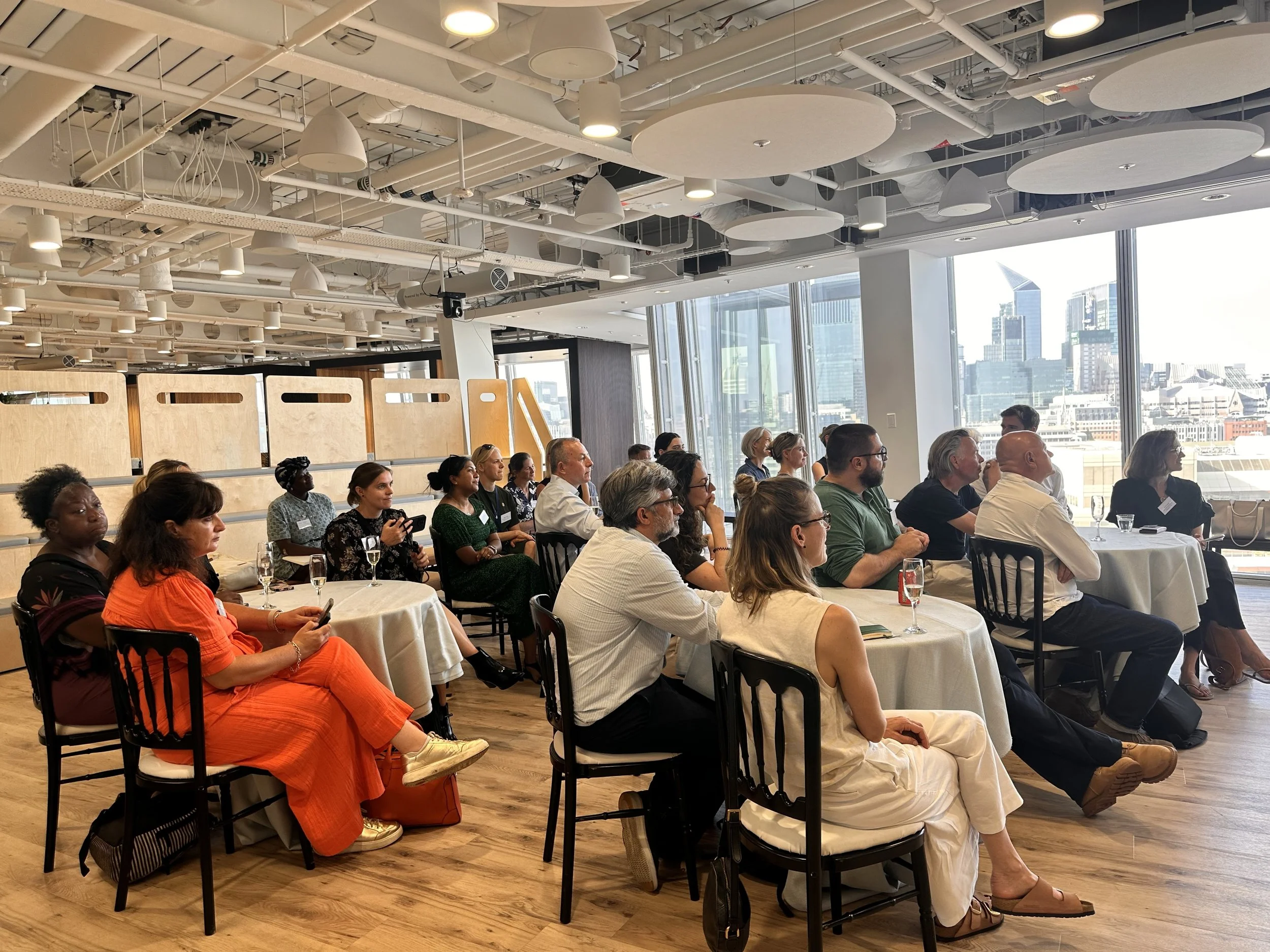
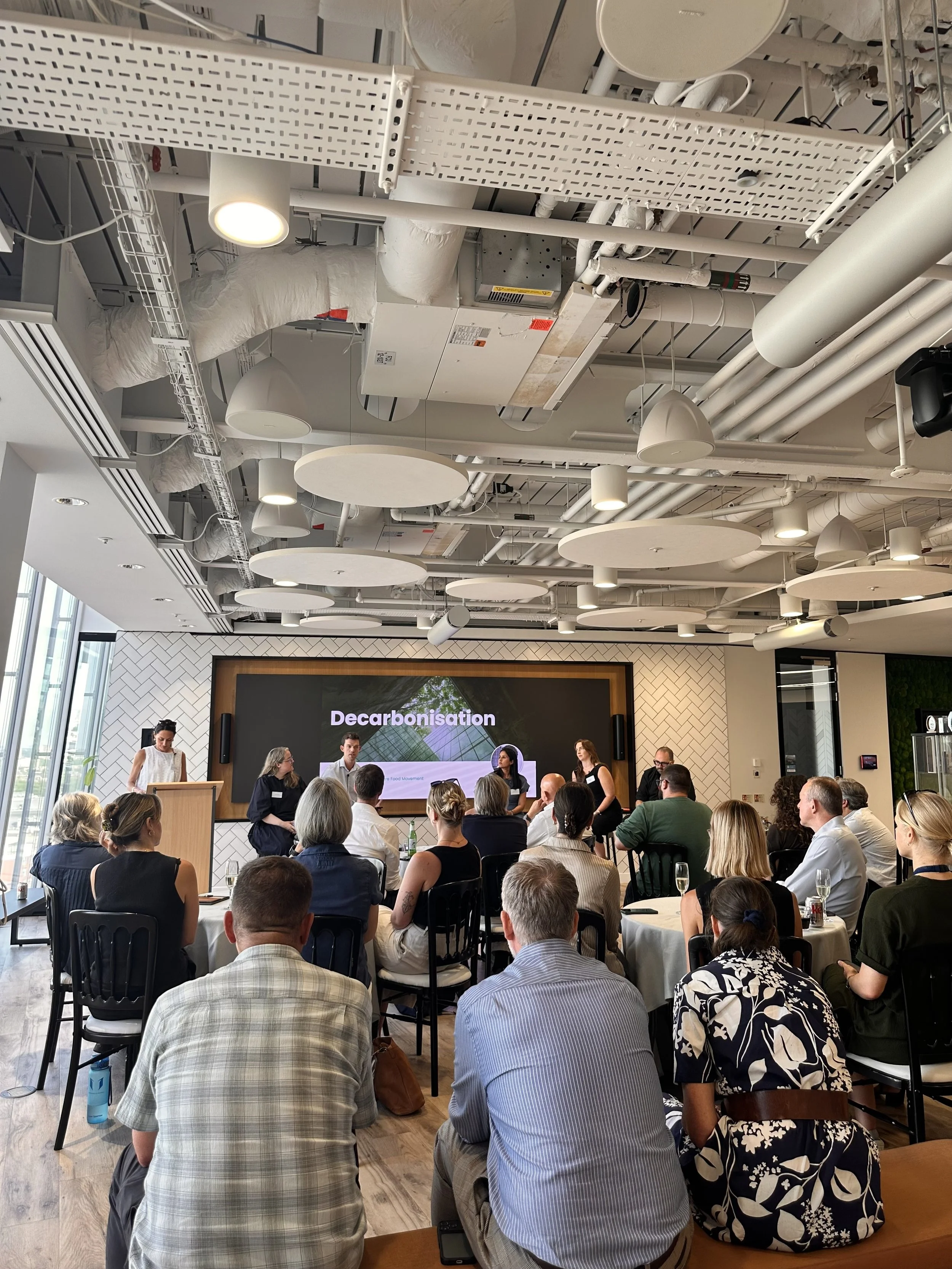
On a sweltering June evening at The Shard, Kate Cawley opened the room with a question she asked everyone to hold all night: where does your climate risk actually live?
For too long, the answer has been the supply chain. But as the evening unfolded, it became clear the risk has been quietly moving closer to home, into the buildings, systems and infrastructure that keep food businesses running every day.
Speakers from across climate science, facility management, regulatory strategy and food system leadership didn't just agree on the scale of the problem. They arrived with tools, case studies and a shared conviction that the organisations acting now will be the ones that thrive.
Here is what they said.
Stop reading climate risk as a list
Helen Ireland grounded the room in a moment everyone recognised. On 26th May, as temperatures hit 35 degrees, fridges failed in Tesco, Sainsbury's and M&S stores across the country. Those store managers weren't dealing with a future sustainability risk. They were dealing with an operational consequence, on a Tuesday that behaved like the tropics. The same heat spiked demand across the grid and slowed the rail lines deliveries depend on - one event, several systems, buckling together. Helen called this compound risk, and with El Nino developing and expected to strengthen through winter, upstream and downstream pressures are set to squeeze from the same source at the same time. "A flood isn't a flooding line in a risk register," Kate Cawley said. "It's a closed road, a stranded delivery, a missed order, a customer who shops elsewhere, all from one event."
Treat this as commercial, not just sustainability
The question boards are asking has changed. It is no longer "do you report on this?" but "what are you doing about it?" As Heena Minocha put it, organisations are now expected to show they are actively reducing exposure, not just disclosing it. Insurers are already separating businesses that have invested in resilience from those that haven't, with premiums rising at renewal and cover being pulled in exposed categories. Adaptation is fast becoming a condition of being insurable at all.
Get granular, or the data won't move anyone
Grace Thomson from Climate X was direct: postcode-level assessments no longer cut it. The organisations using climate data well are geolocating at individual asset level, modelling both direct loss and indirect impact - operational downtime, road access, labour disruption - and bringing those numbers to the board in financial terms. A Japanese factory that looked flood-safe in isolation, but whose only connecting roads sat on a floodplain, was the example that landed hardest in the room. Images of flooded fields don't move decision-makers. Numbers do.
Find the decisions that do double duty
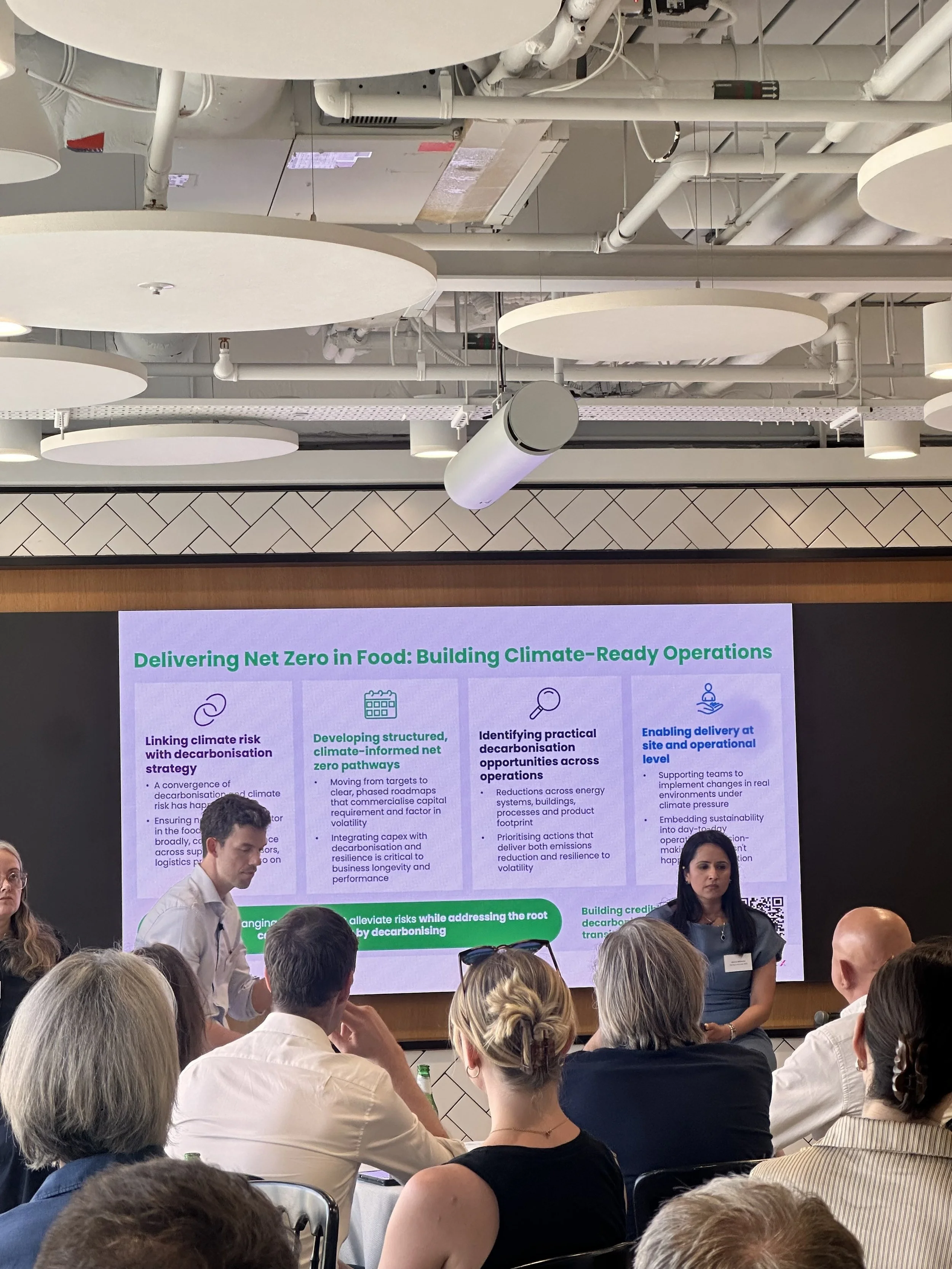
Will Clare's point was simple: treating net zero and physical resilience as separate agendas makes the work harder than it needs to be. Regenerative biomethane cuts Scope 1 emissions and steps away from volatile fossil fuel pricing at the same time. Switching to CO2 refrigerant wiped out one manufacturer's leakage emissions, cut breakdown frequency and stacked up commercially, all in one move. The practical question for members: where are your near-term decision windows - an asset nearing end of life, a supplier relationship up for renewal, a product being reformulated? These are the moments the climate-smart choice and the commercially obvious one are usually the same thing.
Fix the single point of failure in your team
Three barriers came up repeatedly. Funding: off-balance-sheet routes for solar, energy efficiency and green loans already exist, removing the need to compete for internal capital. Incentives: if resilience isn't tied to leadership objectives and remuneration, it will always lose out to the metrics that are. Capability: David Dowson asked the room how many people were the sole person responsible for climate risk in their organisation. For many, the answer was yes - and when that person leaves, the programme stops. Distributing capability across operations, finance and procurement is as urgent as getting the data right. David closed with the line that landed hardest: "Never waste a crisis." The businesses acting now are building competitive advantage. The ones waiting are handing it to the competitor whose fridges stayed on.
Be in the room
Future Food Movement exists to help organisations build the capability this moment demands - not just better data or stronger reporting, but the skills, confidence and decision-making needed to spot risk earlier, understand what it means faster, and act with certainty. Membership gives teams access to insight, peer networks and working groups built to turn complex challenges like this one into informed action. If this briefing has raised questions inside your business, we'd love to continue the conversation - reach out to Helen Ireland, Strategy & Transformation Director, or explore membership options.
Many thanks to our speakers, hosted by Future Food Movement founder Kate Cawley: Helen Ireland, Strategy & Transformation Director, Future Food Movement; Will Clare, Decarbonisation Lead, Future Food Movement; David Dowson, Net Zero Manager, Mitie; Grace Thomson, Head of Strategic Alliances and Partnerships, Climate X; Heena Minocha, ESG Reporting Lead, Mitie. In partnership with Mitie, Plan Zero and Climate X.
Download the Key Takeaways